





Keeping your paint brush clean is one of the simplest yet most effective ways to extend its lifespan and achieve professional painting results. Whether you are a contractor, wholesaler, or DIY retailer, understanding the proper cleaning and maintenance methods ensures consistent performance and reduces replacement costs.
As a professional manufacturer of painting tools, ROLLINGDOG has spent years designing pinceaux that are durable, easy to clean, and made for long-term use. In this guide, we’ll walk you through everything you need to know about how to clean a paint brush properly, avoid common mistakes, and maintain it for the next job.

1. Why Cleaning Your Paint Brush Matters
Many painters underestimate how crucial brush maintenance is. When paint residue remains in the bristles, it hardens and causes stiffness, uneven coating, or even permanent damage to the brush. A neglected brush not only affects your paint finish but also reduces work efficiency on future projects.
By cleaning your brush correctly after each use, you can:
- Preserve the natural or synthetic bristles’ flexibility
- Maintain smooth and even paint coverage
- Avoid contamination between paint types
- Reduce overall tool replacement frequency
At ROLLINGDOG, we design our paint brushes with high-density filaments and stainless-steel ferrules to ensure they are not only durable but also simple to clean. A few minutes of proper cleaning can save hours of frustration later.
2. Understand the Paint Type Before Cleaning
Before you start cleaning, identify what kind of paint you’ve used—water-based or oil-based. Each type requires a different cleaning process.
● Water-Based Paints (Latex, Acrylic)
For water-based paints, cleaning is relatively easy. Rinse the brush with warm water immediately after painting, as dried paint is much harder to remove later. You can use mild soap or dish detergent to dissolve the pigment residue.

● Oil-Based Paints (Enamel, Alkyd)
Oil-based paints require stronger solvents such as mineral spirits, turpentine, or paint thinner. Swish the brush gently in the solvent to dissolve the paint, and repeat the process until the liquid runs clear. Follow with a final wash using warm soapy water to remove any remaining solvent and odor.
💡 Tip: Always clean brushes in a well-ventilated area when using solvents, and wear gloves to protect your hands.
| Paint Type | Common Examples | Recommended Cleaner | Cleaning Steps | Notes |
| Water-Based Paints | Latex, Acrylic | Warm water + mild soap | Rinse under warm water, then wash with soap | Clean immediately before drying |
| Oil-Based Paints | Enamel, Alkyd | Mineral spirits, Turpentine, Paint thinner | Dip in solvent, rinse, then wash with soap | Use in ventilated area and wear gloves |
3. Step-by-Step: How to Clean a Paint Brush Properly
Follow these professional steps to keep your paint brush in excellent condition:
Step 1: Remove Excess Paint
Before cleaning, remove as much paint as possible. Use a scraper, paper towel, or even the edge of the paint can to wipe off excess paint from the bristles. This step prevents wasting cleaning solutions and speeds up the process.
Step 2: Rinse with the Right Cleaner
- For water-based paints, rinse the brush under warm running water.
- For oil-based paints, dip the brush in a container of mineral spirits or thinner.
Gently press the brush against the container wall to help the solvent reach deep into the bristles.
Step 3: Comb the Bristles
After most of the paint is removed, use a brush comb or wide-tooth comb to straighten and separate the bristles. This removes any hidden paint residue and prevents tangling.
Step 4: Wash with Mild Soap
Once the majority of paint is gone, clean the brush again with mild soap or detergent. Work the soap into the bristles with your fingers and rinse thoroughly. This step removes both paint and solvent residues, ensuring your brush is completely clean.
Step 5: Shape and Dry
Gently squeeze out excess water using a clean towel, reshape the brush head, and let it dry naturally. Hang it by the handle or lay it flat to avoid deforming the bristles.
💡 ROLLINGDOG Pro Tip: Many of our professional-grade brushes feature anti-deformation bristles et stainless ferrules, which resist rust and maintain their shape even after multiple washes.
4. Common Mistakes to Avoid When Cleaning Brushes
Even experienced painters make simple mistakes that reduce brush life. Here are the top issues to avoid:
- Don’t soak brushes overnight: Extended soaking weakens glue inside the ferrule and causes shedding.
- Avoid hot water: It can damage the bristles and loosen adhesive.
- Never pull or twist the bristles: This leads to loss of shape and uneven bristle alignment.
- Don’t store brushes wet: Moisture can cause mildew or deformation.
By following the correct process, your brush will retain its precision and performance for years.
5. How to Maintain Paint Brushes for Long-Term Use
Proper cleaning is only part of brush care. For maximum lifespan, make brush maintenance a routine.
● Regular Deep Cleaning:If you use brushes daily, perform a deep clean weekly. Even small residues can build up and affect paint flow.
● Use Brush Covers:After cleaning and drying, cover the bristles with a brush sleeve or paper wrap. This helps retain the original shape and protects the ends from bending.
● Store Properly:Always store brushes hanging or lying flat, with bristles facing up. Avoid damp or dusty environments.
● Rotate Brushes:For professional painters or wholesalers managing multiple projects, rotating between sets of brushes ensures even wear and extends total lifespan.
💡 ROLLINGDOG Suggestion: Our ROLLINGDOG Brush Comb and Cleaner Set helps maintain brush performance and prevents hardened residues—perfect for both workshops and retail supply chains.
| Usage Frequency | Cleaning Recommendation | Deep Cleaning Cycle | Storage Suggestion |
| Daily Use | Rinse after every use | Weekly | Hang to dry |
| Occasional Use | Clean after each project | Monthly | Keep in brush cover |
| Professional Contractor | Between every paint change | Twice a week | Rotate brush sets |
6. When to Replace a Paint Brush
Even with the best care, brushes have a service limit. You should consider replacement when:
- The bristles are permanently bent, frayed, or hardened
- Paint residue cannot be fully cleaned
- The brush leaves streaks or uneven lines
- The ferrule becomes loose or rusty
High-quality brushes can last through dozens of projects, but professional users often replace them periodically to maintain top-tier results. For wholesalers, keeping fresh stock also ensures consistent product satisfaction among end-users.
7. Professional Recommendation: ROLLINGDOG Paint Brushes
A well-maintained paint brush delivers superior results, saves time, and minimizes costs over the long term. By cleaning your brushes correctly—according to the type of paint used—you can ensure consistent application, reduce waste, and extend the lifespan of your painting tools.
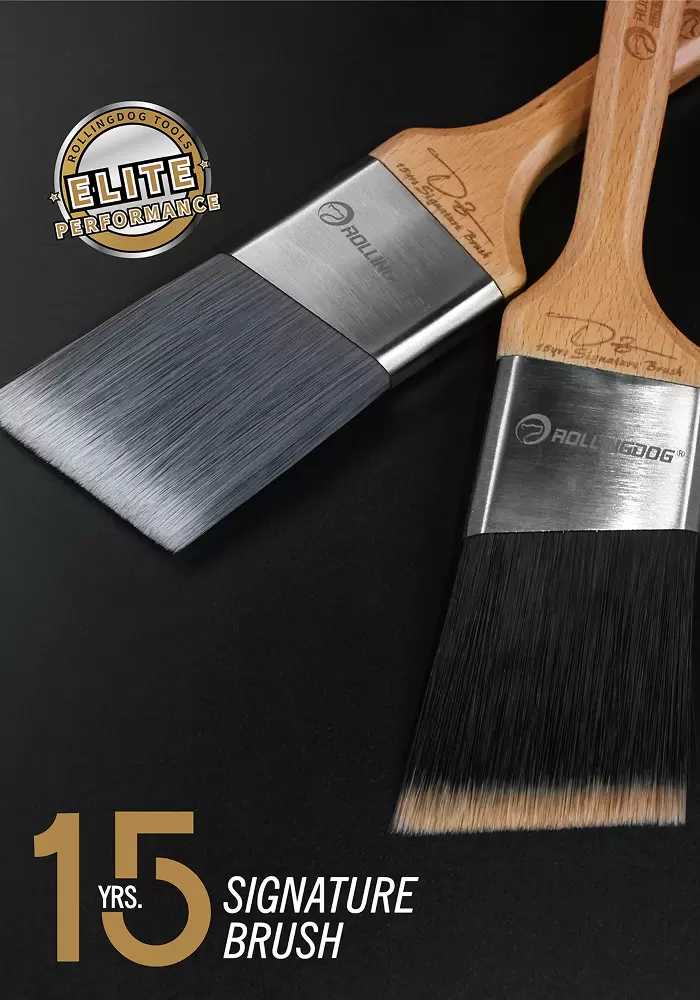
At ROLLINGDOG, we understand that a paint brush is more than a tool—it’s an investment in performance and reliability. That’s why our paint brushes are engineered with:
- High-density synthetic filaments for smooth, precise strokes
- Solvent-resistant materials for easy cleaning
- Ergonomic handles for comfort and control
- Rust-proof stainless-steel ferrules for durability
ROLLINGDOG’s professional series brushes are trusted by contractors, wholesalers, and painting retailers worldwide for their efficiency, longevity, and value. They are designed to clean easily and perform consistently, making them the perfect choice for bulk procurement and professional use.

Zoe Cen est spécialiste du marketing chez ROLLINGDOG, leader mondial des outils de peinture professionnels. Elle travaille à la mise en relation de la marque avec les distributeurs et détaillants internationaux, en mettant en avant l'innovation de ROLLINGDOG en matière de pinceaux, de rouleaux et d'accessoires. En se concentrant sur le marketing B2B mondial, Zoe aide les partenaires à accéder à des solutions de peinture fiables et de haute qualité pour les professionnels et les bricoleurs.