





1. Introduction: Why the Debate Between Sprayers and Rollers Matters
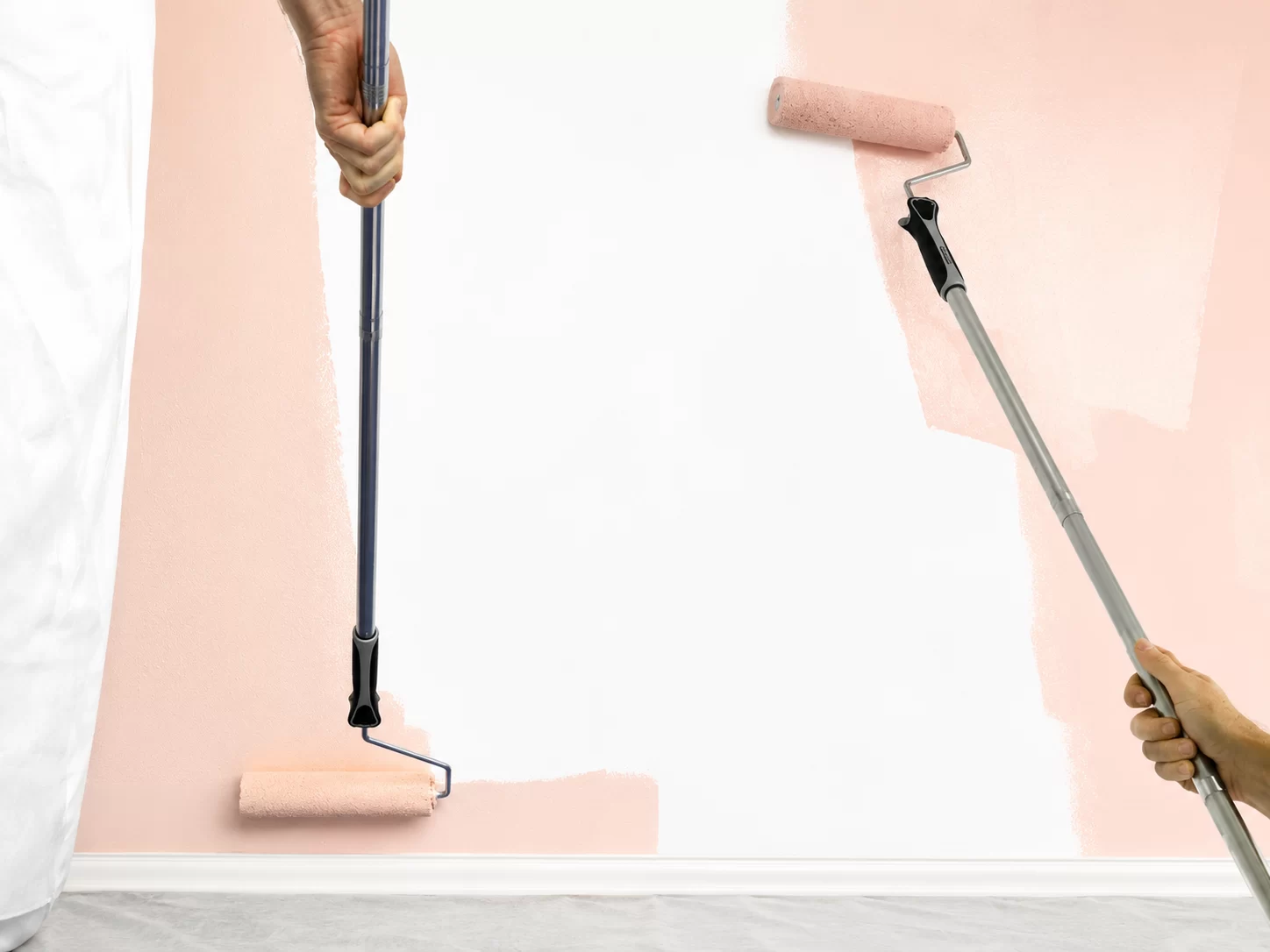
Choosing between a paint sprayer vs roller is more than a matter of preference — it shapes your efficiency, costs, and finish quality. For professional painters and contractors, house painting with a spray gun can accelerate job timelines, but the trade‑offs include higher paint consumption, more masking, and intensive cleanup. On the flip side, using a roller to paint walls offers precision, lower paint waste, and simpler logistics — especially in tighter or occupied spaces.
This decision isn’t just technical; it’s strategic. The method you select affects labor planning, margin, and client satisfaction. In this post, we’ll break down the real-world pros and cons, compare painting with a spray gun vs roller, and share how pros make the call — so you can tailor your approach for your business, your teams, and your clients.
2. Does a Paint Sprayer Use More Paint Than a Roller?
One of the most pressing questions in the debate is whether a paint sprayer uses more paint than a roller. The short answer is: yes — quite often. According to experienced painting professionals, spray applications can consume 25–33% more paint compared to rolling.
2.1 Understanding Overspray and Transfer Efficiency
The main reason for higher paint consumption when wall paint with a spray gun is used lies in overspray. As the sprayer atomizes paint, some of that fine mist never lands where you want it — drifted particles end up on drop cloths, masking material, or simply float away. This reduces the transfer efficiency, meaning a significant portion of paint does not adhere to the surface.
2.2 Real‑World Paint Usage Comparison
In real-world, on‑site workflows, many contractors confirm that painting walls spray‑style tends to burn through more material than rolling. The gap is especially noticeable on large-scale jobs or high-pressure airless systems. On the other hand, when using a roller to paint walls, nearly all of the paint loaded onto the roller ends up on the surface, minimizing waste.
2.3 How Pros Manage and Minimize Waste
Professional painters are not indifferent to this inefficiency — they actively mitigate it. One common approach is careful calibration: choosing the right spray tip, reducing pressure, and maintaining an optimal gun-to-surface distance. Experienced crews also invest heavily in masking, using robust drop cloths and tape to catch overspray. Some pros even back-roll after spraying, reworking the freshly applied coat with a roller to reuse excess material and ensure a consistent finish. These strategies help offset the higher paint consumption that comes with spray work.
Comparison Table: Sprayer vs Roller Efficiency & Usage
| Factor | Sprayer (Painting with a Spray Gun) | Roller (Using a Roller to Paint Walls) |
| Coverage Speed | ~400–500 sq ft/hour | ~150–250 sq ft/hour |
| Paint Waste / Efficiency | Higher: 25–30% more paint because of overspray. | Lower: only ~5–10% loss via absorption or drips. |
| Equipment Cost | High (professional sprayers + tips + maintenance) | Low (rollers + frames + tray) |
| Prep & Masking | Extensive — requires taping, sheeting, masking to catch overspray | Minimal — less masking, easier setup |
| Finish Quality | Ultra‑smooth, factory-like finish — great for trim, cabinetry, large surfaces | Slight texture / stipple — may hide imperfections or give more character |
| Long-Term Durability | Requires back‑rolling to embed paint into substrate and improve adhesion | Thicker application possible, but may need more surface prep for porous materials |
3. Spraying vs Rolling Interior Walls: Which Is Better for Pros?
When tackling interior walls, especially in unoccupied or new-build spaces, professional painters have to weigh speed, finish, and job complexity before deciding whether to spray or roll.
3.1 Speed and Coverage in Empty or New‑Build Spaces
For stark interiors or newly framed walls, painting interior walls with a paint sprayer can dramatically accelerate productivity. According to industry benchmarks, sprayers can cover vast expanses of drywall 2–3 times faster than a roller. This speed advantage is compelling for large-volume projects, multi-unit developments, or any job where labor time is a major cost driver.

3.2 Prep Time, Masking, and Clean-Up Considerations
However, the efficiency of a sprayer doesn’t come for free. Painting walls spray-style demands extensive prep: every adjacent surface — trim, floors, windows — must be meticulously masked to avoid fine mist settling where it shouldn’t. Cleanup is also more involved; you need to flush the spray gun, clean nozzles and hoses, and ensure excess paint is properly handled, which can offset some of the time gains.
3.3 Finish Quality: Smoothness, Texture, and Uniformity
From a finish perspective, paint sprayer vs roller really shows its strengths when a flawless, smooth coat is required. Sprayers create a uniform, very even texture — ideal for high-end interiors, feature walls, or situations where a factory-like finish is expected.But that doesn’t mean rollers have no place: using a roller to paint walls can produce a subtle textural effect (stipple) that some clients prefer, particularly in traditional or softly textured settings. And for certain touch-up or accent work, rollers provide control and minimal risk of overspray, giving a more forgiving execution.
4. Roller or Sprayer for Exterior House Painting?
4.1 Why Many Pros Use “Spray + Back‑Roll” on Exteriors
Many professional painters apply a coat with a paint sprayer, then immediately back‑roll using a high‑nap roller. This technique combines the speed of spraying with the superior adhesion and durability of rolling — especially useful on rough, porous surfaces like masonry or wood siding. Back‑rolling forces the paint into the pores of the substrate, preventing a thin “floating” layer and dramatically improving long‑term performance. It also simplifies future touch‑ups, because the back‑rolled texture blends more naturally than a completely smooth sprayed surface. In fact, technical guidelines highlight that skipping back‑rolling can lead to repair difficulties later.
According to Fine Homebuilding, back‑brushing or back‑rolling after spray application ensures better bonding and coverage — a practice widely adopted by experienced exterior painters.
4.2 Weather, Overspray Risks, and Site Constraints
Spray-on wall paint for exteriors is highly sensitive to weather. Wind can carry atomized paint particles, increasing overspray and waste, so professionals carefully mask around trim, landscaping, and neighboring properties.
In more constrained settings — like tight yards or close to windows — using a roller to paint walls often becomes the preferred option, since it avoids the drift risk. However, when conditions are favorable and the site well-protected, a sprayer offers enough speed to justify the extra masking effort.
4.3 Longevity, Adhesion, and How Method Impacts Long-Term Durability
Back‑rolling after spraying is more than cosmetic — it strengthens adhesion by pushing paint into the surface’s pores, helping resist peeling and structural failure. Without this step, a sprayed-only finish may not fully bond, reducing its long-term durability.
The subtle texture created by back-rolling also helps diffuse light and hide surface imperfections, while making future repairs much easier. Technical guidance notes that skip this step often leads to difficult touch-ups and may require full-area recoats.
5. Spray Paint vs Roller for Furniture and Trim
5.1 When Sprayers Give a Professional, Smooth Finish
In furniture, cabinetry, millwork, and trim, achieving a factory-smooth finish is often non-negotiable. A spray gun excels here — it atomizes paint into a fine mist that lays down an even film without roller stipple or brush marks. Professional finishers often choose sprayers because they can precisely reach complex profiles, tight crevices, and detailed molding while maintaining a seamless surface.
Using a sprayer for these applications results in a highly refined look that’s difficult to replicate with a roller. The surface feels uniform, feels like it was factory-sprayed — ideal for high-end furniture, custom cabinetry, or architectural trim work.
5.2 When Rollers (or Brushes) Are More Practical
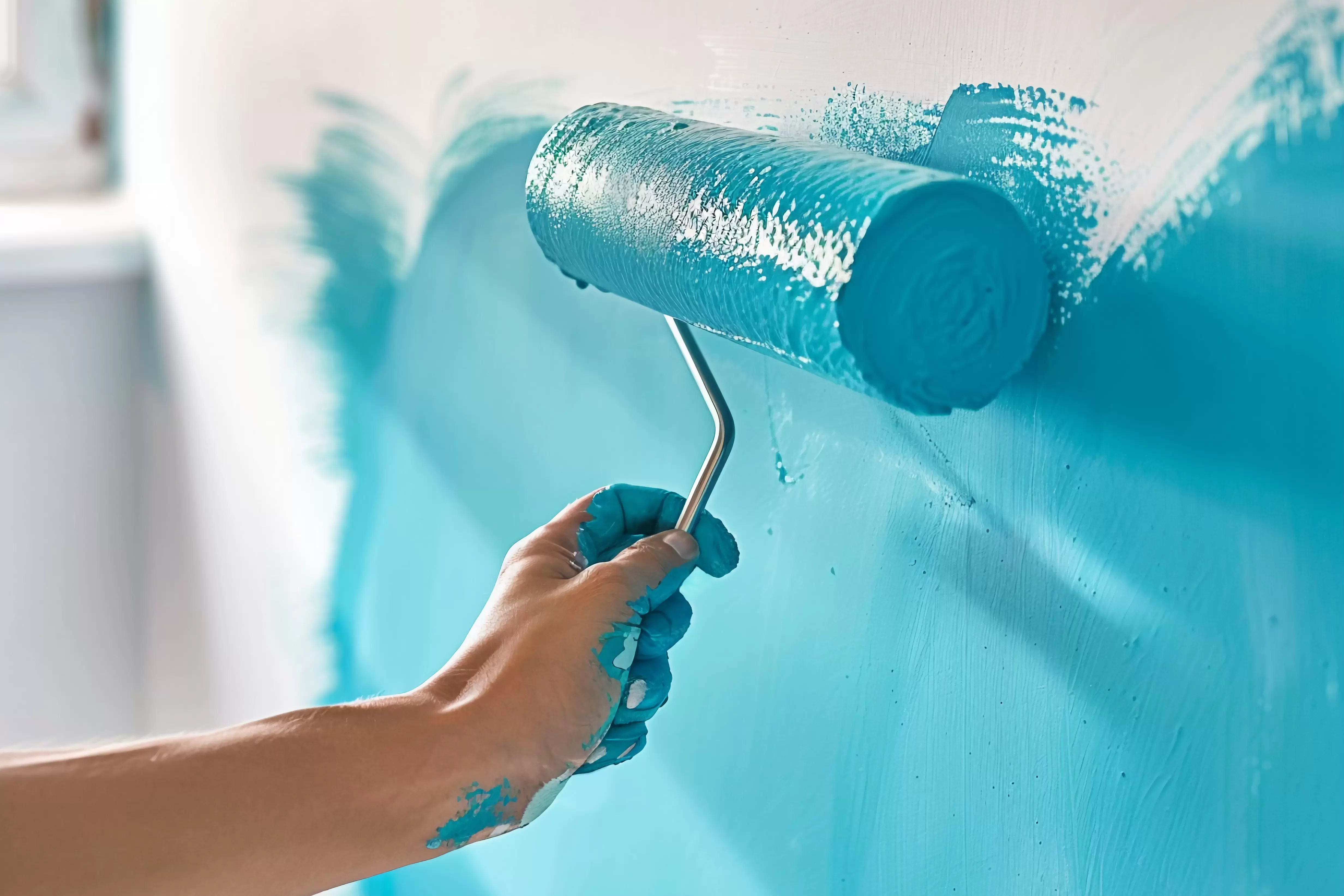
However, sprayers are not always the most practical choice. For on-site furniture or trim, space constraints, masking complexities, or overspray risk may make using a roller to paint walls or trim simpler and safer. In such situations, rollers (or high-quality brushes) give painters more control, minimize waste, and reduce prep work. For smaller jobs or tight spots, a roller can also give more paint per pass, which supports durability on high-touch surfaces.
5.3 Hybrid Approach: Spraying First, Then Back‑Rolling or Brushing
Many seasoned painters combine both methods to maximize efficiency and finish: they spray the first coat, laying down a smooth base, then go back over with a roller or brush while the paint is still wet. This “hybrid finish” workflow gives you the sleekness of a paint sprayer application and the texture and adhesion benefits of using a roller or brush. Not only does this help with surface coverage and robustness, but it also ensures future touch‑ups are more forgiving — the back-rolled or brushed layer creates a surface that new paint bonds into more easily.
6. What Do Professional Painters Actually Use — And Why?
6.1 Common Workflows Among Pros
Professional contractors rarely rely solely on one technique. Instead, they use a hybrid approach where paint sprayer vs roller decisions are made strategically based on job size, surface type, and client expectations. On large exterior jobs, it’s common to deploy multiple spray guns to maximize efficiency, then follow immediately with back‑rolling to guarantee proper adhesion. For interior millwork or trim, teams may switch to low-pressure HVLP guns or rollers for better control and a refined result.
6.2 Cost Analysis for Professionals: Labor, Paint, and Tools
From an economic standpoint, the decision to use a sprayer or roller hinges on more than just the tool: it’s about return on investment. High-performance sprayers require a significant upfront outlay, but professionals often justify the cost with labor savings. Even though paint spray for house jobs typically consume more paint, the time saved by spraying — especially on large or complex jobs — can outweigh the extra material cost.
Moreover, painters factor in maintenance, cleaning, and equipment life. Well-maintained sprayers can be rebuilt or serviced, but they do demand more attention than roller setups.
6.3 Decision Factors for Contractors: Job Size, Client Expectations, Site Conditions
When deciding between painting with a spray gun vs roller, pros evaluate several critical factors:
- Job Scale: Large exterior walls or new builds tend to favor spraying. Smaller or detailed areas often call for rolling.
- Finish Expectations: Clients who demand a flawless finish will lean toward sprayers; others may appreciate a subtle roller texture.
- Substrate Characteristics: Rough or porous surfaces (like masonry or wood) benefit from a hybrid method (spray + back-roll) for better longevity.
- Site Constraints: Wind, property proximity, landscaping — all affect whether house paint spray is safe or practical.
- Maintenance and Repair: Back-rolled or textured finishes from a roller make future touch-ups easier than smooth, sprayed-only surfaces.
By weighing these variables, painting businesses can make intelligent, data-driven decisions that balance quality, cost, and efficiency.
7. Conclusion & Recommendations
In short, the choice of paint sprayer vs roller comes down to the demands of each job. Use a sprayer (with back‑rolling) when speed and large surface coverage matter most, especially on exteriors. Opt for a roller when precision, minimal overspray, and control are the priority.
To maximize efficiency: dial in your sprayer settings, mask well, and always back-roll sprayed areas to reduce waste and improve adhesion. Don’t forget to factor in a paint buffer — it protects your margin and avoids project delays.
Ready to level up your painting game? Explore ROLLINGDOG’s professional rollers, frames, and painting accessories — designed for pro performance at a fair price. Roll smarter, not harder.

Zoe Cen is a Marketing Specialist at ROLLINGDOG, a global leader in professional painting tools. She works on connecting the brand with international distributors and retailers, highlighting ROLLINGDOG’s innovation in brushes, rollers, and accessories. With a focus on global B2B marketing, Zoe helps partners access reliable, high-quality painting solutions for professionals and DIY users.