

Key Takeaways
-
- High quality paint brushes deliver smoother finishes, fewer streaks, and longer durability.
-
- Different types of paint brushes (natural, synthetic, blended) work best with specific paints and surfaces.
-
- Using professional paint brushes improves efficiency and ensures a flawless finish.
-
- Choosing the right brush size and style directly impacts your painting results.
-
- Proper cleaning and storage extend the life of your brushes—saving time and money.
1. Paint Brush Materials Explained
Before choosing a brush, it’s important to understand the different materials, shapes, and sizes available, as well as how each performs in real-world painting projects.
| Material Type | Examples / Subtypes | Key Features | Best For |
| Natural Bristles | Animal hair | Excellent paint holding, smooth finish, durable with oil-based coatings | Oil-based paints, varnishes |
| Synthetic Bristles | Nylon, PET, PBT | Works best with water-based paints, easier to clean, good durability | Water-based paints |
| PET (Synthetic) | Polyethylene Terephthalate | Affordable, durable, but limited solvent resistance | Budget brushes, water-based paints |
| PBT (Synthetic) | Polybutylene Terephthalate | Premium quality, excellent bend recovery, rigidity, and solvent resistance | Professional-grade paint brushes, various coatings |
| Blended Bristles | Natural + Synthetic | Versatile performance, combines smoothness with durability | Both water & oil-based paints |
Tip: Choosing the right material is key. For example, PBT filament brushes provide a professional finish even on tricky surfaces, while PET brushes are a cost-effective choice for smaller water-based projects.
2. Pros and Cons of Synthetic vs. Natural Bristles
| Synthetic Bristles | Natural Bristles |
| Benefits ✔ Doesn’t swell in water → fewer brush marks ✔ Easy to clean and maintain ✔ Less bristle shedding |
Benefits ✔ Holds more paint for faster coverage ✔ Provides smoother finishes on oil-based paints ✔ Breaks in over time for better control |
| Drawbacks ✘ Holds less paint, may require more frequent loading ✘ Doesn’t spread paint as smoothly as natural bristles |
Drawbacks ✘ Swells in water (not suitable for latex paints) ✘ More prone to shedding ✘ Requires higher upfront investment |
Consejo profesional: Many professional painters keep both types on hand, using synthetic brushes for water-based projects and natural brushes for oil-based paints.
3. Matching Your Brush to the Right Paint
Your paint choice determines the type of bristles you need:
-
- Latex paint (water-based): Use synthetic bristles (nylon, polyester, or blends).
-
- Oil-based paint or varnish: Invest in a natural bristle brush for a smooth, glossy finish.
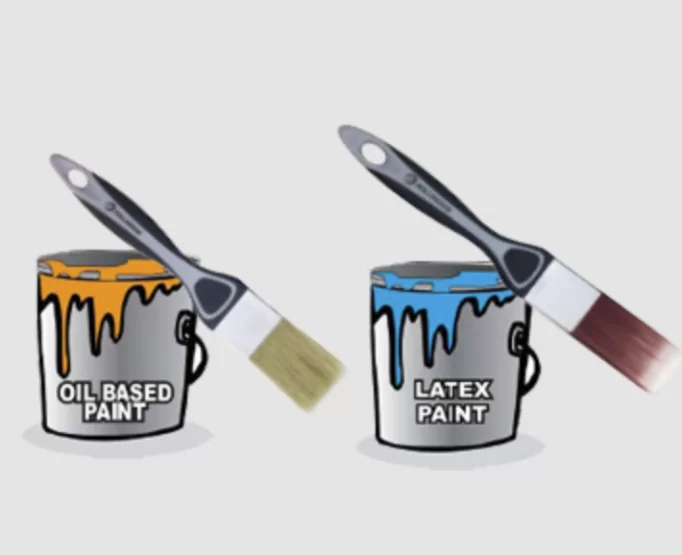
What does “Alkyd” mean?
Alkyd is a synthetic resin used in many oil-based paints. In simple terms, it’s a man-made oil binder that enhances durability and finish quality.
Tip: Always choose professional paint brushes or pro paint brushes if you want long-lasting performance and a streak-free finish.
4. Paint Brush Styles and Uses
-
- Trim brush: Small, flat brush for detail and trim painting.
-
- Wall brush: Thick, flat brush for large surface coverage.
-
- Angled sash brush: Bristles cut at an angle; great for windows, trim, and edges.
-
- Flat sash brush: Slim profile with straight-cut bristles, ideal for even strokes.
-
- Specialty brushes: ROLLINGDOG offers square and triangular trim brushes for precision work.
Matching the brush style to your project helps avoid brush marks and ensures a professional-looking result. A reliable paint brush supplier can help you get consistent quality for all your projects.
Want to see how a professional brush actually performs?Check out this in-depth review of the ROLLINGDOG Paint Brush PRO, where a real user tests its coverage, bristle control, and overall finish quality. It’s a great way to see why investing in the right paint brush matters.
5. Essential Paint Brushes to Keep in Your Toolkit
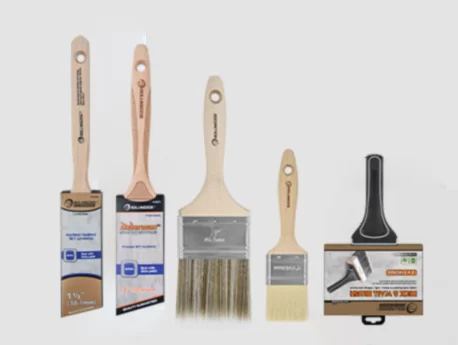
Different projects require different brushes. Here are some must-have types of paint brushes:
Small chip brush: Ideal for tight corners and small spaces.
1.5-inch angled sash brush: Stubby handle for painting edges and trim.
2-inch angled sash brush: Perfect for cutting in corners, edges, and narrow window sashes.
3-inch flat bristle sash brush: Regular handle for wide trim and larger sashes.
5-inch wall brush: Designed for floors, walls, and ceilings. These are the best paint brushes for walls, making large surface coverage faster and smoother.
FAQ:
1. What type of paint brush should I use for walls?
For large wall areas, a 3- to 4-inch flat brush is ideal. It covers more surface quickly while still giving you a smooth finish. Pair it with a roller for best results.
2. Can I use the same brush for all types of paint?
Not always. Synthetic bristle brushes are best for water-based paints, while natural bristles work better with oil-based paints. Using the right brush ensures durability and a streak-free finish.
3. How do I clean and maintain a paint brush?
Clean synthetic brushes with warm soapy water, and natural bristle brushes with mineral spirits. After cleaning, reshape the bristles and store them flat or hanging to maintain their quality.Learn more in our step-by-step guide on cleaning painting cepillos.
4. How do I choose the right size paint brush?
Match the brush size to your project:
-
- 1–2 inch brushes → trim, edges, and small details.
-
- 2–3 inch brushes → doors, cabinets, and furniture.
-
- 3–4 inch brushes → walls, ceilings, and broad surfaces.