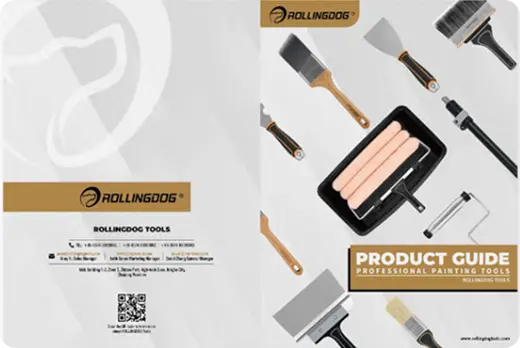

Most distributors entering the professional paint tools category avoid ODM because they assume it means selling the same product as their competitors. That assumption costs them 8–12 weeks they didn’t need to spend. The global painting tools market reached USD 14.01 billion in 2025 and is forecast at USD 15.36 billion in 2026, a CAGR of 9.6% (The Business Research Company, 2026). ODM relationships carry a significant share of that volume — understanding the model, and knowing how to work it with the right manufacturer, determines how much of it you can access.
Key Takeaways
What Does ODM Mean in Paint Tool Manufacturing?
ODM stands for Original Design Manufacturer. The manufacturer has designed, tested, and validated the products; distributors select from that catalog, apply their brand, and bring finished goods to market. You don’t provide a design specification, absorb tooling cost, or wait out a development timeline. Full OEM development runs 8–18 months from brief to first shipment; ODM, where the design already exists, compresses that to 2–4 months (Qoblex, 2026). ROLLINGDOG’s four-stage process runs 5–8 weeks brief to delivery, supported by an established catalog and standing production infrastructure.
The confusion between ODM and “generic manufacturing” comes from conflating the model with the output. ODM doesn’t define product quality. It defines who owns the design. A manufacturer investing consistently in R&D produces a continuously updated catalog of professionally engineered products. Quality reflects engineering investment, not the sourcing model.
ROLLINGDOG’s R&D investment runs 3–5% of annual revenue. That funds new material validation, product testing against professional-use benchmarks, and regular catalog updates. For a distributor selecting ODM products, the available range includes items already tested in commercial painting conditions.
ODM vs. Private Label — The Practical Difference
These two terms get used interchangeably in sourcing conversations. They’re not the same thing. ODM is the manufacturing model: who designs the product and holds the IP. Private label is the commercial arrangement: whose brand appears on the final product.
In practice, private label is ODM with branding applied. The distinction matters in contracts: ODM governs design IP rights, private label governs brand licensing. In most paint tool sourcing discussions, the two terms describe the same deal.
ODM vs. OEM — The Decision Factors That Actually Matter
The model choice comes down to three variables: how much IP control you need, how fast you need to reach market, and whether you can absorb tooling cost at current volumes. Most distributors entering a new product segment start with ODM. Established distributors with proprietary product lines typically run both models in parallel.
OEM tooling for a single paint brush handle die runs USD $3,000–$8,000 depending on design complexity (ROLLINGDOG manufacturing operations). At volumes below 5,000 units per run, recovering that cost per unit is difficult. ODM cuts out the tooling investment entirely; the production line already exists and the tooling cost has been absorbed across previous runs.
Most established distributors end up running both. ODM covers the volume range (standard roller frames, commodity covers, chip brushes) where margin is thin and speed matters. OEM is reserved for proprietary SKUs where differentiation is strong enough to justify tooling cost and the volume is there to recover it.
What Does ROLLINGDOG’s ODM Catalog Include?
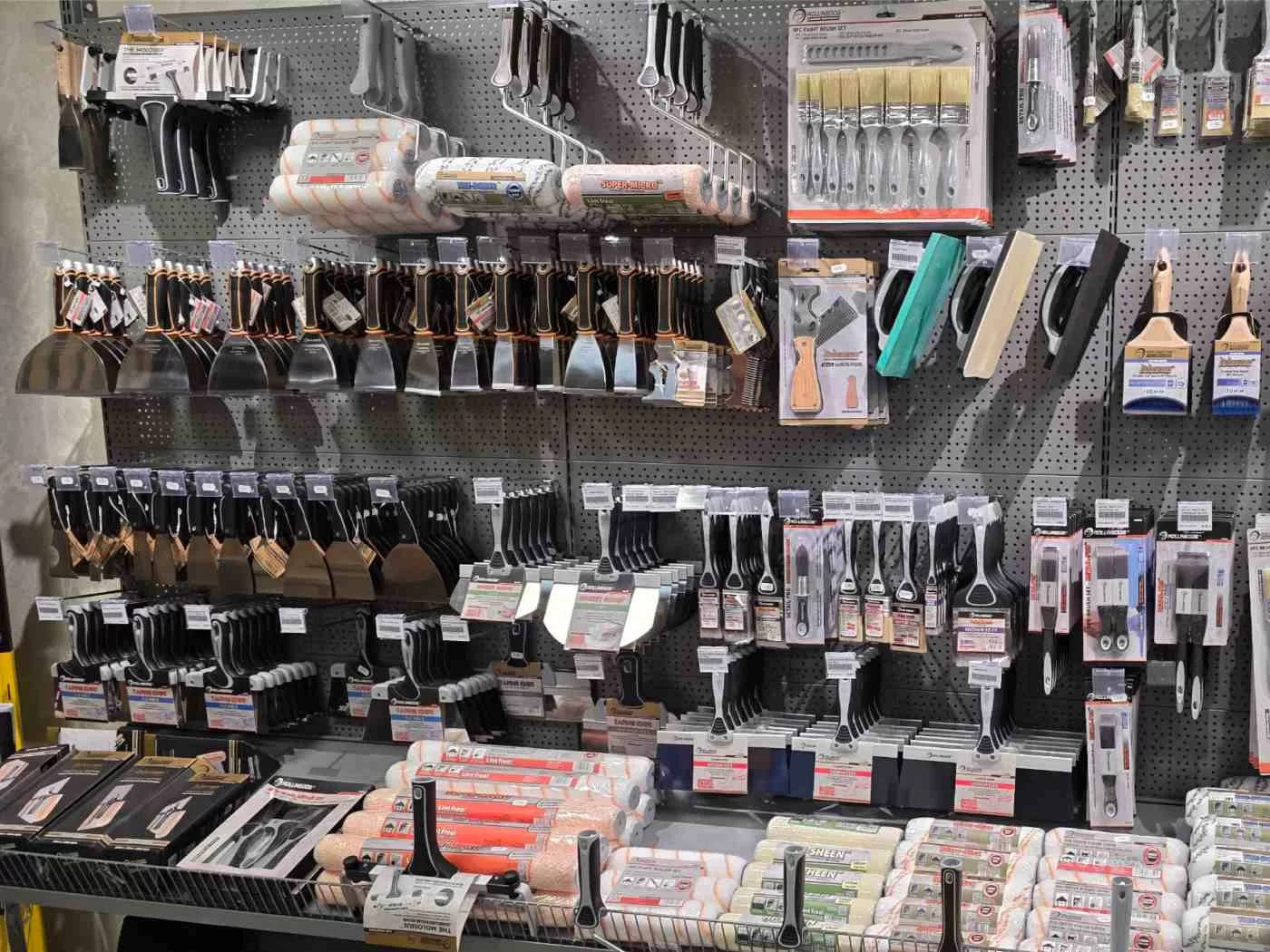
ROLLINGDOG’s ODM range covers all three product lines, so a distributor building a complete professional paint tools assortment doesn’t need multiple supplier relationships.
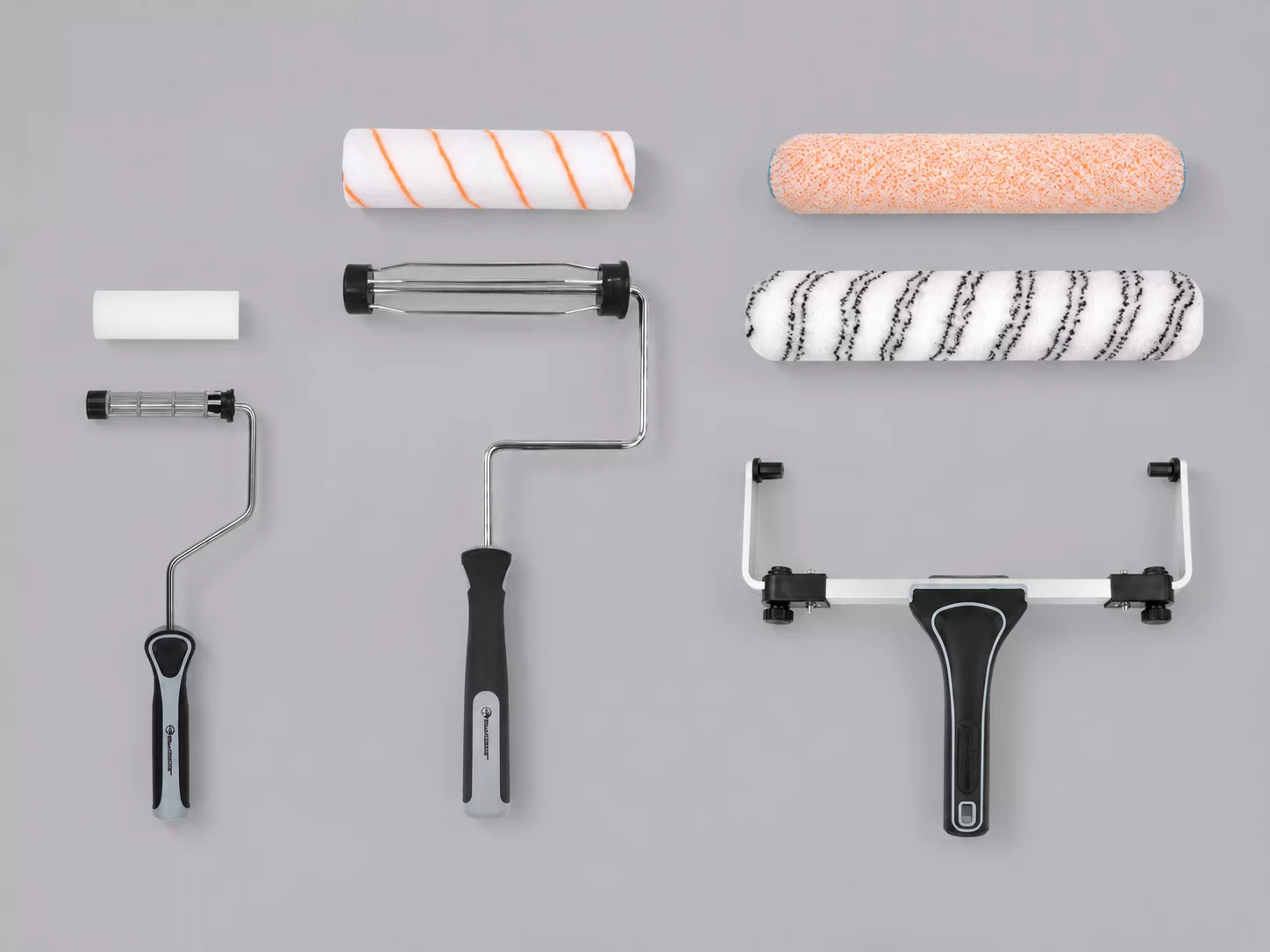
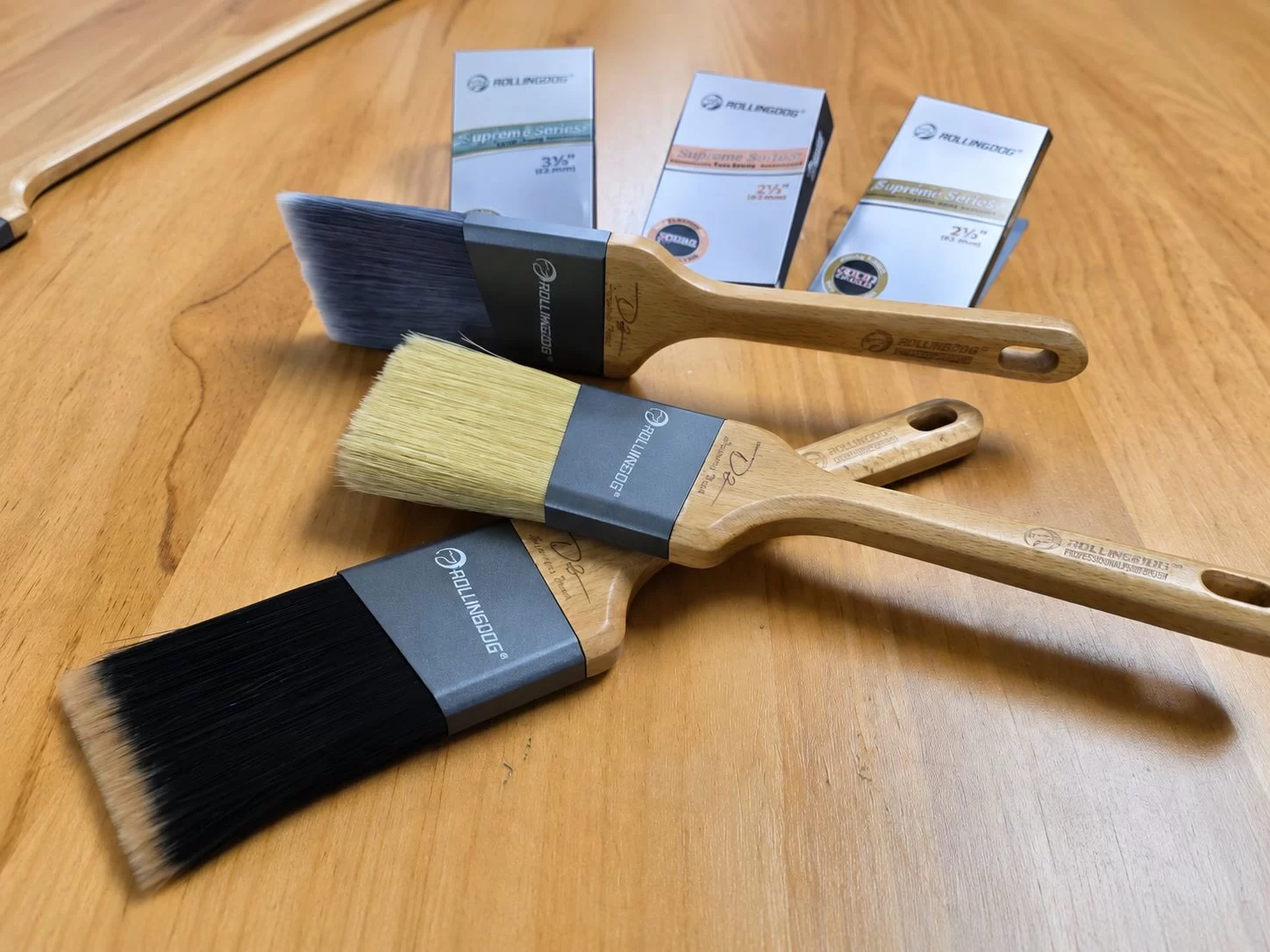
Coating Application covers rollers, roller covers, brosses, and paint pads, the volume SKUs at the center of most professional assortments. For technical detail on specifications and nap selection, the roller covers and nap specifications guide covers the full range.
Surface Treatment covers prep tools and materials. Distributors targeting full-range retail accounts can source the complete assortment from one supplier relationship.
Protection Series covers masking tape, drop cloths, and protective accessories. These are margin-friendly add-on SKUs that don’t require a separate supplier.
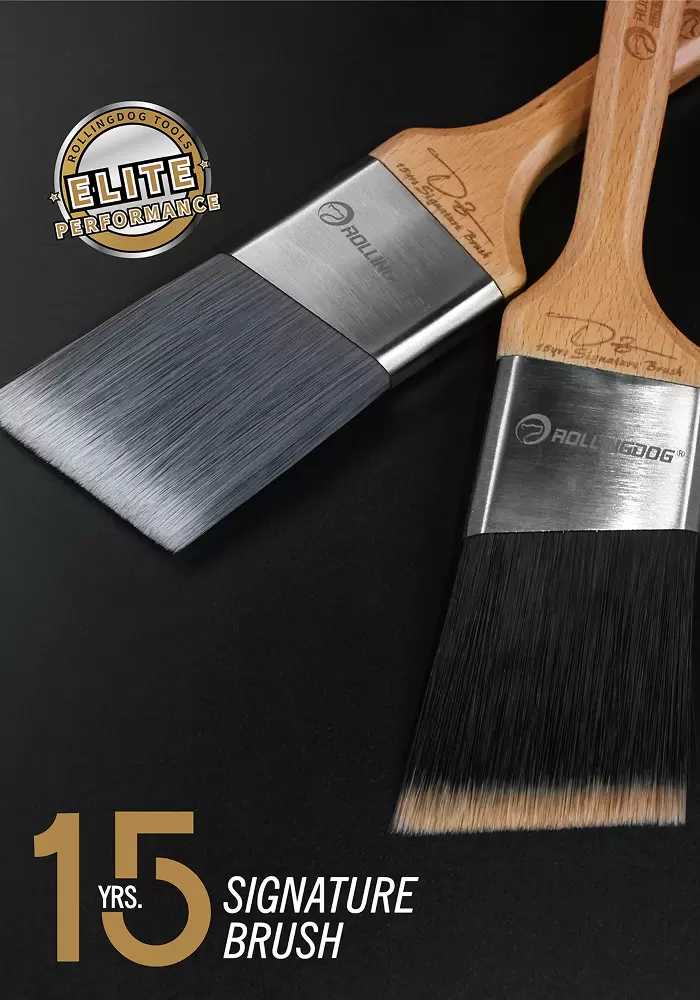
Under ODM, you can customize label design, handle colorway, ferrule finish, and packaging artwork. Core mechanical geometry and material specification can’t change without converting the development to OEM.
ROLLINGDOG covers 60+ countries with 98%+ on-time delivery. For distributors managing multiple markets, that consistency matters as much for planning as any product specification.
How ROLLINGDOG’s ODM Process Works, Step by Step
ROLLINGDOG’s ODM workflow runs in four stages, with a standard brief-to-delivery timeline of 5–8 weeks.
Stage 1 — Brief and Scope (Days 1–3). The distributor provides brand requirements, target markets, volume forecast, and any applicable regulatory notes (EU REACH, PROP 65 for North American channels, FSC requirements for specific retail buyers). No design specification is needed; the brief covers commercial requirements only.
Stage 2 — Product Selection (Days 4–7). ROLLINGDOG matches the brief against the existing catalog and presents 2–4 candidate products with full specifications, current certification status, and available customization options.
Stage 3 — Sample Production and Review (Days 8–14). Samples ship within 5–7 business days of product selection confirmation. Colorway, label position, and packaging format are adjustable at this stage. Structural changes (material composition, ferrule geometry) require converting the development to OEM.
Stage 4 — Production and Delivery (Weeks 4–8). Production runs 4–6 weeks from confirmed purchase order. ISO 9001, BSCI, FSC, and GRS certification documentation ships with the goods; the distributor does not need to arrange a separate supplier audit.
For distributors selling into European professional retail, the BSCI and FSC documentation that arrives with each order eliminates a compliance step that would otherwise require a separate audit of a smaller, non-certified factory.
Can You Own Exclusive ODM Products?
Under a standard ODM agreement, the manufacturer retains design IP and can supply the same base product to other buyers. Most distributors read that and stop there. The exclusivity options available to them go largely unasked.
Territory exclusivity is negotiable. A distributor can request, and often secure, exclusivity defined by geography (a specific country or region), market segment (professional contractor trade only), or retail channel (a named retail chain). That turns what looks like a commodity product into a protected range for a specific market.
The negotiation window is Stage 1, the brief stage. Distributors who want exclusivity should raise it at the start and document it in the commercial agreement. Verbal understandings don’t hold across supplier staff changes or multi-year engagements.
One boundary exclusivity can’t cross: preventing the underlying product design from being sold anywhere globally. A distributor who needs that level of protection is describing OEM, not ODM. Design IP transfers only when development responsibility transfers.
What Should You Confirm Before Choosing an ODM Supplier?
Manufacturer self-descriptions aren’t consistent. A factory advertising “OEM/ODM manufacturing” may offer only superficial branding: label changes on a commodity product, no real customization depth, no professional certifications. These five questions separate a credible ODM partner from a relabeling service.
- How many other clients currently source this exact design, and in which markets?
- What customization is available — label only, or handle colorway, ferrule finish, and full packaging format?
- Can you offer territory or market-segment exclusivity, and what volume commitment does that require?
- What certifications does this product carry, and can you produce test reports on request?
- What is the current production lead time from a confirmed purchase order?
A professional ODM supplier answers all five without hesitation. Vague or delayed responses on certifications, particularly BSCI and ISO 9001, are a compliance risk signal for distributors selling into professional retail in Europe or North America.
Certification Baseline for Professional Paint Tools
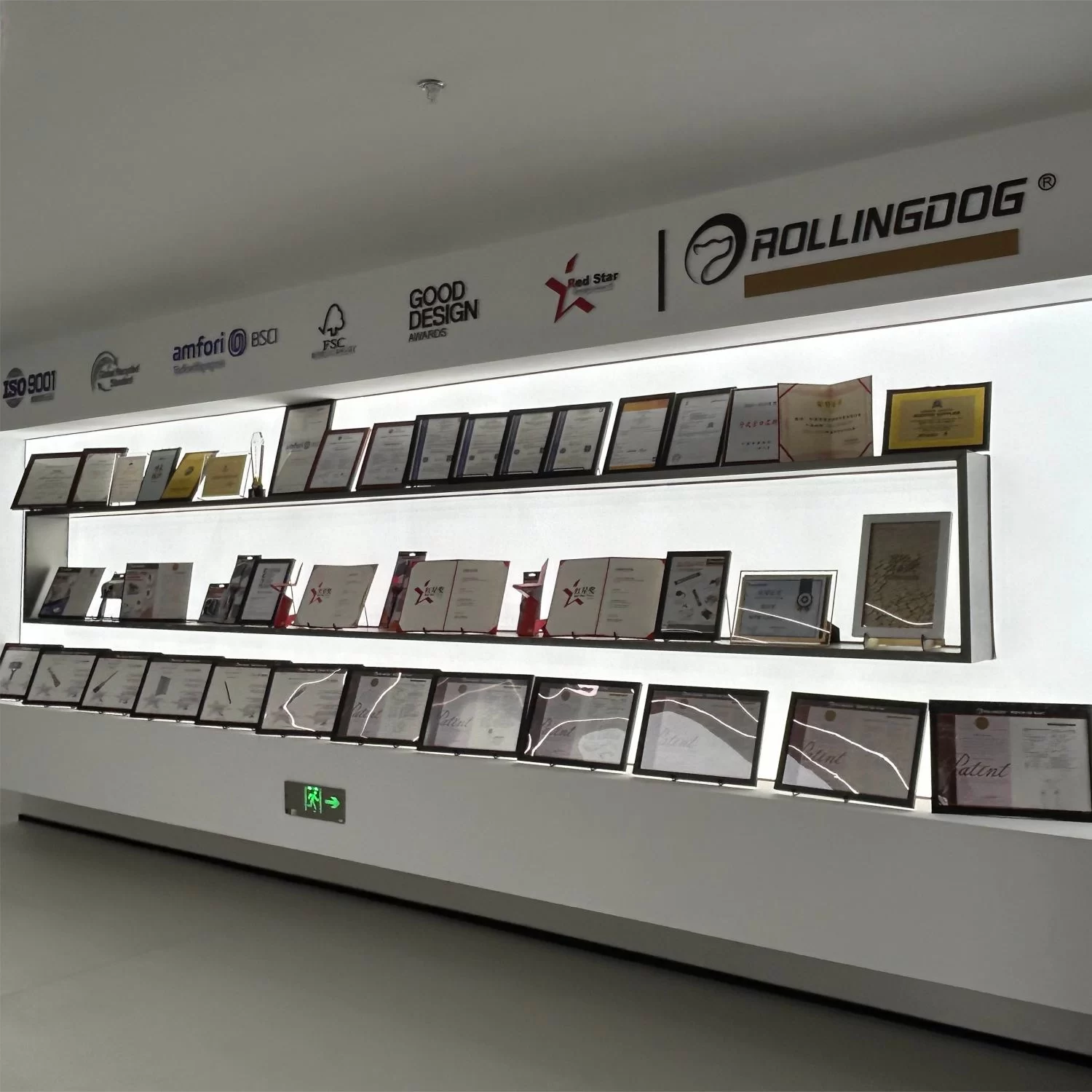
- ISO 9001 — Quality management system. Non-negotiable as a baseline for professional-grade supply.
- BSCI — Social compliance audit standard required by most European retail buyers.
- FSC — Chain-of-custody certification for wood-handled products; increasingly a procurement requirement in Scandinavian and Central European markets.
- GRS — Global Recycled Standard; required for any product marketed with recycled content claims.
ROLLINGDOG holds all four. All four transfer to every ODM order.
Questions fréquemment posées
What is the difference between ODM and OEM for paint tools?
OEM means the buyer provides the product design specification and the manufacturer builds to it — the buyer owns the design IP. ODM means the manufacturer already owns the design; the buyer brands it. OEM gives full specification control at the cost of tooling investment (USD $3,000–$8,000 per die) and a development cycle that typically runs 8–18 months from brief to first production shipment (Qoblex, 2026). ODM delivers faster time to market at lower entry cost, with the manufacturer’s certifications already in place.
How long does it take to receive ODM samples from ROLLINGDOG?
Standard sample lead time is 5–7 business days from product selection confirmation. Full production from a confirmed PO runs 4–6 weeks. Total brief-to-delivery timeline is 5–8 weeks for standard orders. Extended artwork review or non-standard packaging specifications can add time.
Can I prevent a competitor from selling the same ODM product?
Not by default — but territory and market-segment exclusivity can be negotiated before the first production order is placed. Request exclusivity at the brief stage, agree on the volume commitment required, and document it in the commercial agreement. Verbal arrangements are not enforceable in most commercial jurisdictions.
What certifications come with ROLLINGDOG’s ODM products?
All ROLLINGDOG ODM orders are manufactured under ISO 9001 quality management and BSCI social compliance. FSC chain-of-custody certification covers wood-handled products; GRS applies to products containing recycled content. Full certification documentation is provided with each shipment and available separately on request.
What is the minimum order quantity for ODM paint tools?
ODM MOQs are lower than OEM because existing tooling eliminates per-order setup costs. Specific MOQs vary by product category and customization level. The ODM program overview covers current catalog categories; contact ROLLINGDOG with your target SKU list and volume forecast for exact terms.
Conclusion
ODM gives distributors a direct path into the professional paint tools category without design investment, tooling cost, or a 12–18 month development timeline. The model works when the manufacturer’s existing catalog meets the target market’s performance standard. It works better when the distributor asks the right questions at the start, including the exclusivity question most buyers skip.
ROLLINGDOG’s ODM catalog covers all three product lines, carries professional certifications across all orders, and delivers samples in 5–7 business days. The ODM program overview covers the current catalog and how to start a brief. For the company’s manufacturing background, see who we are.
Sources: The Business Research Company, Global Painting Tools Market Report, 2026; Qoblex, “ODM Meaning Explained: Definition, Examples & ODM vs OEM,” 2026; SEACOMP, “OEM vs ODM: What’s the Difference in Hardware Manufacturing?,” 2024 (qualitative reference); ROLLINGDOG manufacturing and operational data [ORIGINAL DATA].

Written by the ROLLINGDOG product and application team — professional painting tools engineers and field trainers with combined experience across residential, commercial, and industrial coating projects.