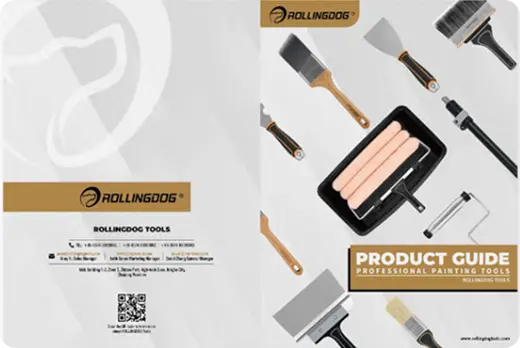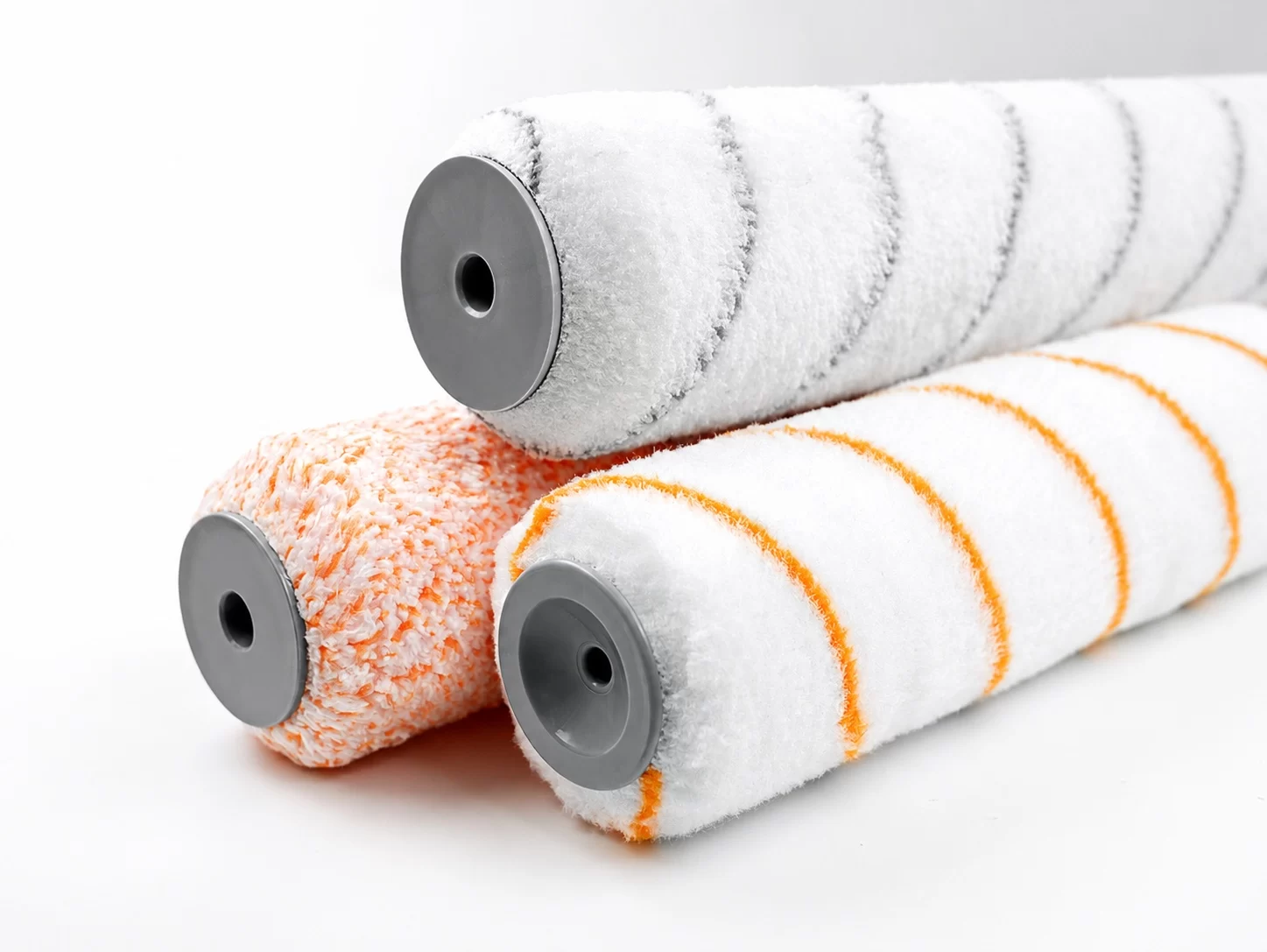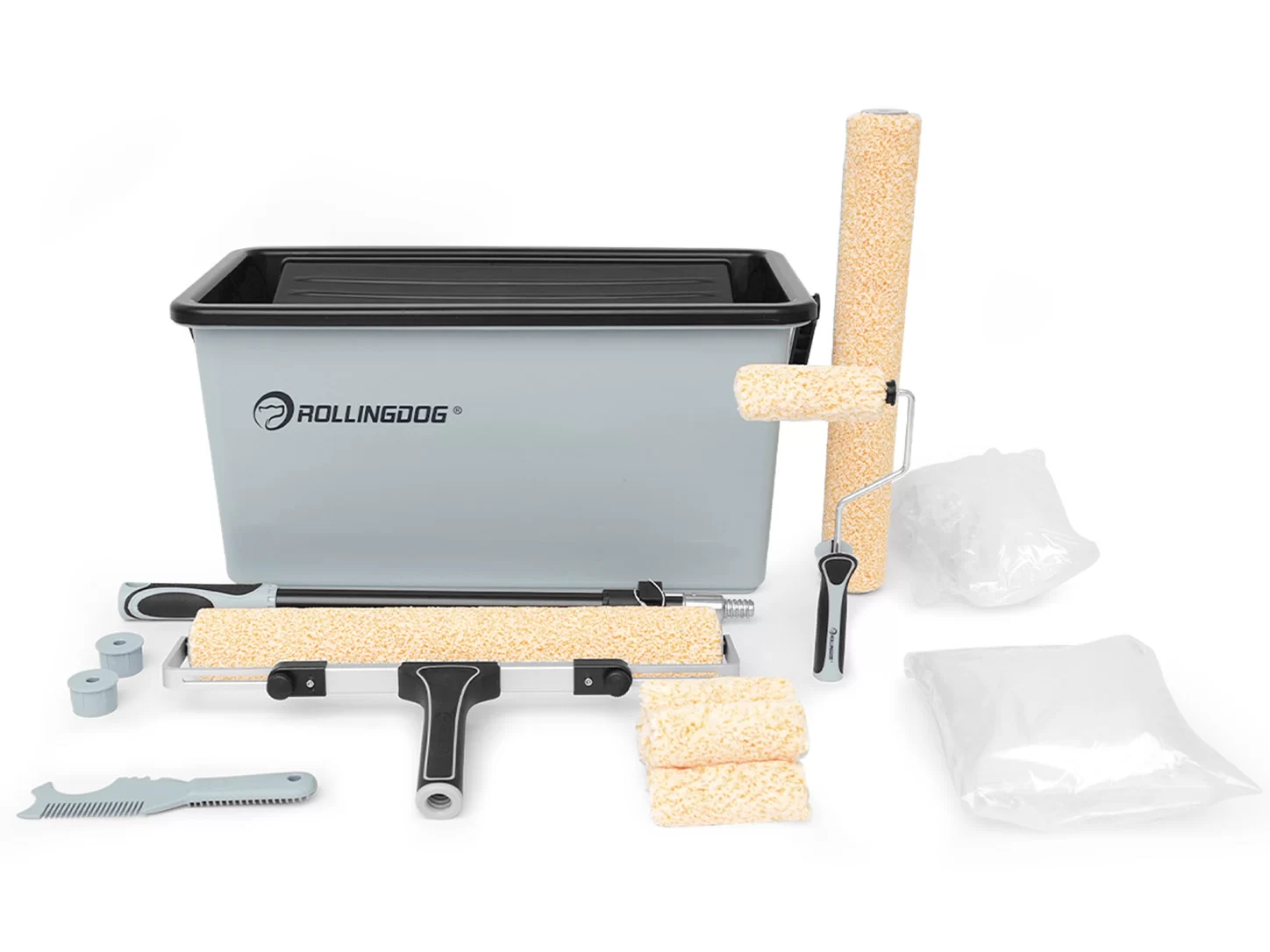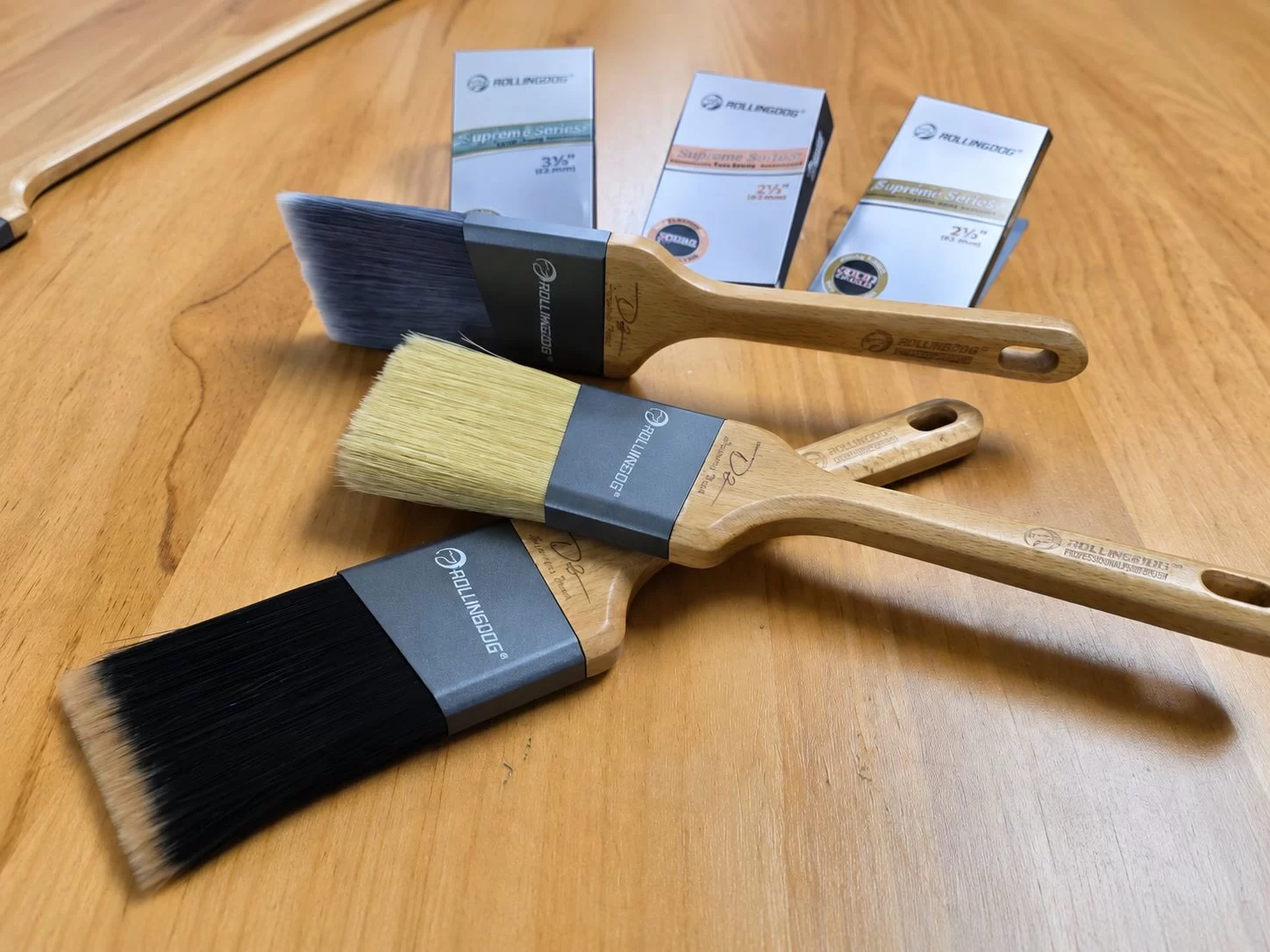





Choosing the right paint brush supplier is crucial to the success of your wholesale business. Whether you’re a retailer, distributor, or manufacturer, the quality of your paint brushes directly impacts your product offerings, customer satisfaction, and overall business profitability. In this guide, we’ll walk you through the essential factors to consider when selecting a reliable supplier—from production capabilities and lead times to certifications and customer reviews. With the right Paint Brush supplier, you can ensure that your wholesale business thrives by offering high-quality products that meet market demands.
1. Why Choosing the Right Paint Brush Supplier Matters
The supplier you choose influences your operational efficiency. Delays in shipments, poor product quality, or unreliable communication can quickly lead to customer complaints, increased costs, and operational disruptions. Partnering with a trusted China sourcing agent can help mitigate these risks. Experienced agents are familiar with local manufacturing practices, can audit factories, and often negotiate better terms on your behalf, resulting in smoother logistics and better pricing for overseas buyers.
2. What Are the Most Common Paint Brush Types for Wholesale Buyers?
2.1 Overview of Popular Paint Brush Types and Uses
For wholesale buyers sourcing in bulk, understanding the different types of paint brushes is essential to making smart purchasing decisions. Each brush type serves a distinct purpose and caters to specific markets—from professional construction to fine art and DIY retail sectors.
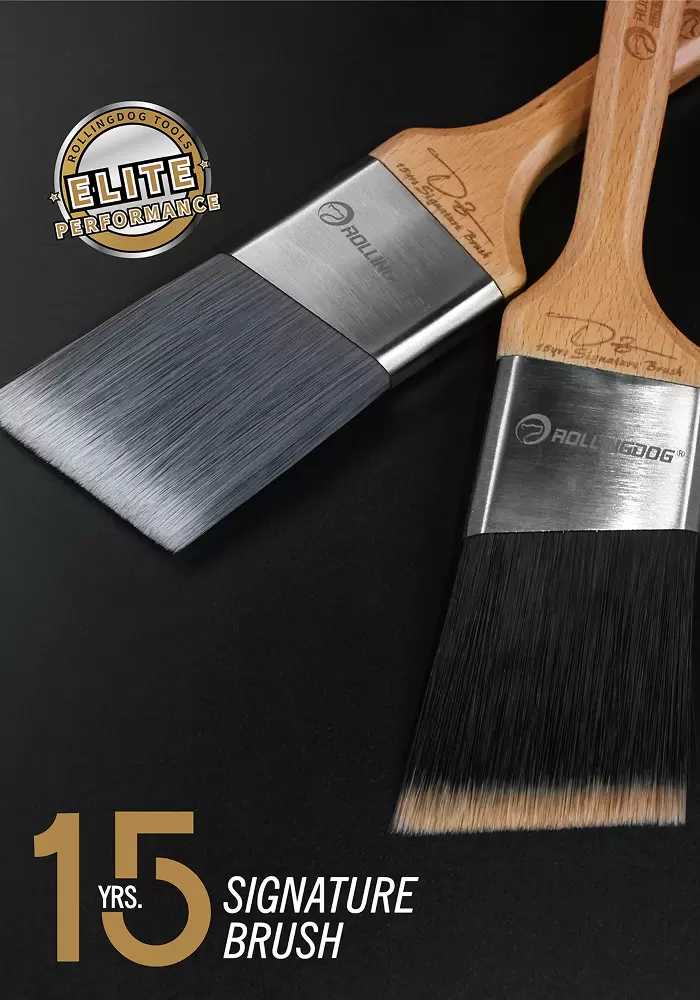
One of the most popular types is the flat brush, ideal for covering large surfaces with paint or varnish. It’s widely used in home renovation and furniture applications, making it a must-have for paint brush wholesalers. Angle brushes, on the other hand, are perfect for cutting in corners or detailed wall work and are commonly included in hardware store packages.
Round brushes are primarily used in the art and craft market, especially among paint brushes art supplies retailers. These are essential for detailed work and come in various sizes, making them popular with both hobbyists and professional artists. Fan brushes, liner brushes, and filbert brushes are also highly sought-after by businesses selling to the creative industry.
Wholesale buyers must also be familiar with bristle types. Natural bristles, made from animal hair, are excellent for oil-based paints, while synthetic fibers (like nylon or polyester) are more suitable for water-based paints and are easier to clean. Some suppliers even offer a blend to accommodate versatile applications.
As a paint brush supplier, offering a variety of brush types enhances your product appeal across industries. It’s crucial to maintain a balanced inventory tailored to different end-user needs, ensuring you can meet the demands of retail chains, e-commerce sellers, and professional contractors alike.
2.2 Which Types Are in High Demand Globally?
Certain paint brush types consistently show high demand across global markets, especially within construction, DIY, and art sectors. Based on data from top exporting regions like China and India, flat and angular sash brushes dominate the building and renovation markets due to their utility in wall painting and precision tasks. These are often ordered in large quantities by paint brush wholesale distributors serving retail hardware stores and home improvement brands.
In recent years, the demand for artist paint brush manufacturers has surged, driven by the global rise in hobby painting, online art courses, and educational programs. Round and detail brushes—used with watercolors and acrylics—have become bestsellers, especially in North America and Europe.
Eco-conscious brushes made from biodegradable handles or vegan bristles are also trending. These options appeal to brands targeting environmentally aware consumers and are ideal for wholesalers tapping into sustainable product lines.
Another growing segment is the custom paint brushes manufacturer market, where buyers seek exclusive shapes, colored handles, and branded packaging. This is particularly attractive for private label wholesalers or those selling through curated online platforms.
By identifying globally in-demand brush types and aligning sourcing decisions accordingly, wholesale buyers can stay ahead of trends and secure higher margins in both emerging and mature markets.

3. How to Find a Reliable Paint Brush Manufacturer in China
3.1 Best Sourcing Platforms and Trade Shows
China remains the world’s leading hub for sourcing paint brushes due to its massive manufacturing infrastructure, competitive pricing, and production flexibility. However, finding a reliable paint brush supplier requires a strategic approach to minimize risks and ensure quality.
Start by exploring reputable sourcing platforms like Alibaba, Made-in-China, and 1688 (for local Chinese options). For international buyers, platforms such as TopTrade Sourcing are valuable for connecting with wholesale paint brush manufacturers that have been pre-vetted for quality and compliance.
Beyond online platforms, attending trade shows in China is a smart move. The Canton Fair (China Import and Export Fair) held in Guangzhou is the largest and most comprehensive event for wholesale buyers. Many paint brush manufacturers exhibit here, offering product samples and direct factory communication. Similarly, the Yiwu Fair is ideal for finding low MOQ suppliers and innovative products in the home goods and tools categories.
Using a professional agent in China can also bridge the gap for overseas wholesalers. These agents often speak fluent English and have established relationships with trusted factories. They can assist with negotiation, sample verification, and even factory audits—essential steps before entering large-scale cooperation.
Combining digital platforms with on-the-ground sourcing and agent support increases the likelihood of finding dependable suppliers and ensures your supply chain is built for long-term success.
3.2 Warning Signs of Unreliable Suppliers
While there are thousands of paint brush suppliers in China, not all are created equal. Spotting the red flags early can save your business from costly setbacks and reputational damage.
One of the first warning signs is inconsistent communication. If a supplier frequently delays replies, avoids direct answers, or changes terms after agreement, it indicates potential operational disorganization or dishonesty. Reliable suppliers maintain clear, timely, and professional communication throughout.
Another red flag is the lack of proper documentation. A trustworthy paint brush supplier should be able to provide business licenses, export certifications, product test reports, and quality assurance protocols. If these are missing or forged, it’s best to walk away.
Poor sample quality is also a key indicator. Always request multiple samples and evaluate the brush finish, bristle shedding, ferrule alignment, and packaging. If a supplier cannot meet your quality expectations at the sample stage, they are unlikely to improve during mass production.
Moreover, avoid suppliers that refuse factory audits or insist on 100% upfront payment without providing substantial proof of past projects or buyer references. Such behavior often signals scams or substandard operations.
Finally, research the supplier’s online presence. Scant reviews, outdated websites, or overly generic product catalogs may indicate a lack of experience or credibility in the market.
By staying alert to these red flags and verifying all claims through third-party checks or sourcing agents, wholesalers can confidently build strong, lasting partnerships in the Chinese paint brush supply chain.
4. How to Customize Your Own Paint Brush for Branding
4.1 Custom Options Wholesalers Can Request
Customizing paint brushes is an effective way for wholesalers to build brand identity and differentiate themselves in a competitive market. As a paint brush supplier, offering OEM and ODM options not only attracts bulk buyers but also supports long-term partnerships with clients seeking exclusivity.
There are multiple customization options available when working with a custom paint brushes manufacturer. The most common starts with handle design. Wholesalers can choose between wood, plastic, or biodegradable handles, and can add unique colors, engravings, or printed logos. The shape and texture of the handle also contribute to user comfort, so ergonomics should be part of the customization discussion.
Bristle material is another essential element. Whether natural, synthetic, or blended bristles are used, suppliers can adjust fiber length, thickness, and stiffness according to the application—whether for fine art, household use, or industrial painting. High-end artist paint brush manufacturers often offer more precise bristle arrangement, tailored for different paint types and techniques.
Ferrules—the metal part that secures the bristles—can also be customized through partnerships with paint brush ferrule suppliers. Stainless steel, brass, or aluminum ferrules can be sourced in various finishes or embossed with logos.
Packaging is the final touch that enhances brand visibility. From branded cardboard boxes and eco-friendly sleeves to retail-ready hanging packs, packaging customization is key for wholesalers targeting supermarkets, art stores, or e-commerce platforms.
When selecting custom features, wholesalers should consider both aesthetic and functional needs. A reliable paint brush supplier will offer design assistance, low MOQs for pilot testing, and flexible production processes to accommodate branding goals while ensuring product performance.
4.2 Tips for Effective OEM/ODM Collaboration
For wholesalers aiming to launch branded paint brush lines, collaboration with the right manufacturer is crucial. OEM (Original Equipment Manufacturer) and ODM (Original Design Manufacturer) partnerships offer scalable, customizable solutions—but only when managed strategically.
Start by clearly defining your brand vision. Share sketches, packaging mockups, or competitor references to help your manufacturer understand your expectations. A competent paint brush supplier should respond with feasible suggestions based on their capabilities and production timelines.
Second, clarify the technical specifications early in the conversation. These include brush dimensions, materials, bristle type, handle finish, and packaging format. The more precise your request, the smoother the production phase.
It’s also recommended to request digital 3D renderings or pre-production samples. This allows you to test the design, feel, and performance of your branded brush before mass production begins. Top paint brush manufacturers will offer several iterations to meet quality standards.
Communication and quality control are equally vital. Establish a timeline with milestones for prototyping, mass production, and delivery. Stay in regular contact with the factory team or assign a sourcing agent in China to oversee operations on your behalf.
Lastly, protect your intellectual property. Sign clear agreements covering your design rights, branding elements, and product exclusivity to avoid future conflicts or imitation.
By treating the customization process as a collaborative, quality-focused project, wholesalers can create a unique product line that reinforces brand loyalty and increases sales margins.

5. How to Check the Quality of Paint Brushes Before Bulk Purchase
5.1 Key Quality Control Checkpoints
When sourcing from a paint brush supplier, especially overseas, quality control is non-negotiable. A minor defect in a small sample could lead to hundreds of faulty items in a bulk order—damaging your brand’s reputation and wasting valuable resources.
To ensure consistency, begin with a defined set of product specifications. This includes bristle alignment, shedding rate, handle durability, ferrule attachment, and overall brush finish. Communicate these standards with your manufacturer and include them in purchase contracts.
During pre-shipment inspections, verify bristle retention strength. Pull-testing ensures the bristles remain intact after repeated use. Bristle shedding is a common issue in low-quality products, so test multiple samples from different boxes.
Next, evaluate the handle’s coating and finish. Poor paint or varnish application can lead to chipping or fading, especially in humid climates. For high-end home interior products wholesale buyers, even minor flaws in appearance can affect shelf appeal.
The ferrule must be tightly secured and corrosion-resistant. Collaborate with reputable paint brush ferrule suppliers to ensure the metal used is rust-proof and won’t loosen over time. Additionally, confirm that the glue used inside the ferrule is strong, waterproof, and safe.
Brush symmetry and softness are particularly important for paint brushes art supplies or artist-grade brushes. Check that the bristles maintain shape and flexibility after cleaning.
Packaging inspections are also essential. Poorly sealed packages or mislabeling can lead to customs delays or buyer complaints. Always review final product packaging against approved samples before shipment.
Investing in professional third-party QC services or engaging a local sourcing agent in China can significantly reduce risks and increase buyer confidence.
5.2 Sample Testing and Factory Audits
Before finalizing a bulk order, it’s critical to test samples thoroughly and assess the manufacturer’s facility. A good paint brush supplier will not only provide high-quality samples but also welcome factory audits as part of transparent cooperation.
Start with functional testing. Use the samples in real scenarios—whether painting walls, applying varnish, or creating fine art—to assess application performance. Compare how each brush holds paint, distributes it on different surfaces, and cleans up afterward.
Durability tests are also recommended. Simulate regular use to see how long the bristles stay intact and whether the handle withstands pressure. Document the findings to create a benchmark for future orders.
Conducting a factory audit allows you to verify the manufacturer’s working conditions, machinery, production flow, and quality control protocols. Evaluate the factory’s certification status—such as ISO, BSCI, or Sedex—to ensure compliance with labor and environmental standards.
Audits should also focus on raw material sourcing, storage practices, and in-house testing procedures. High-quality paint brush manufacturers often have dedicated QA teams and in-line inspection stations to catch defects early in the process.
When direct visits are not possible, hire local audit agencies or sourcing partners to perform inspections on your behalf. Some manufacturers also provide video audit options for added transparency.
Ultimately, rigorous sampling and factory assessments help eliminate guesswork and provide assurance that your paint brush wholesale order meets both your quality standards and customer expectations.
6. What Factors to Consider When Choosing a Paint Brush Supplier
6.1 Pricing, MOQ, and Lead Time
When sourcing from a paint brush supplier, understanding the balance between cost, quantity, and delivery is essential for a profitable wholesale business. Pricing often determines your ability to compete in the market, especially if you’re selling in price-sensitive regions. A competitive unit price doesn’t always mean the lowest—it’s about value for money, product quality, and included services like packaging or labeling.
The Minimum Order Quantity (MOQ) is another factor wholesalers must evaluate. Suppliers catering to paint brush wholesale often set high MOQs to maintain profitability, but flexible suppliers who accommodate trial orders or mixed models are a better choice for testing market response. If you’re working with a custom paint brushes manufacturer, ensure the MOQ aligns with your forecast and storage capacity.
Lead time—how long it takes from order confirmation to delivery—can impact your entire supply chain. Whether you’re restocking core inventory or launching a new product line, consistent lead times are crucial. Ask your supplier for historical data or real case timelines. Reliable suppliers will offer buffer stock or partial shipments to avoid disruption.
Partnering with a paint brush supplier who maintains transparency in pricing, flexible MOQs, and predictable lead times ensures your business can scale sustainably while minimizing operational risks.
6.2 Certifications, Experience, and Customer Reviews
A reliable paint brush supplier must demonstrate more than just manufacturing capability—they need to prove credibility. Start by verifying their certifications. Reputable suppliers often hold ISO 9001 for quality control, BSCI for ethical manufacturing, and sometimes eco-certifications if their products align with sustainable practices. This is especially important for businesses importing into regulated markets like Europe or North America.
Experience in international trade is equally important. Established paint brush manufacturers who have worked with clients across various regions understand the nuances of packaging standards, labeling laws, customs paperwork, and even local consumer preferences. Suppliers who’ve served large chains or specialty retailers are generally more capable of meeting strict quality and compliance requirements.
Don’t overlook customer reviews and testimonials—they offer unfiltered insights. Look for mentions of timely delivery, communication quality, and how the supplier responds when issues arise. If you’re sourcing paint brushes art supplies or high-precision tools for professional use, reviews from other B2B buyers in the creative industries can be particularly telling.
Finally, it’s wise to request references or third-party audit reports. Suppliers with nothing to hide will happily share documentation and introduce you to long-term clients.
Choosing a certified and experienced paint brush supplier with positive client feedback dramatically reduces sourcing risks and builds long-term value for your wholesale operations.
Selecting the best paint brush supplier is a decision that shapes the future of your wholesale business. By focusing on key factors such as pricing, lead time, certifications, and experience, you can confidently source top-quality paint brushes for your customers. If you’re ready to find a reliable supplier or need assistance navigating the process, don’t hesitate to contact us. Our team is here to help you connect with trusted manufacturers who can meet your specific needs. Reach out today to ensure your success in the paint brush wholesale market!

Zoe Cen is a Marketing Specialist at ROLLINGDOG, a global leader in professional painting tools. She works on connecting the brand with international distributors and retailers, highlighting ROLLINGDOG’s innovation in brushes, rollers, and accessories. With a focus on global B2B marketing, Zoe helps partners access reliable, high-quality painting solutions for professionals and DIY users.