




Introduction – The Rise of Green Building Worldwide
In recent years, green building has shifted from a niche concept to a global standard. Governments, developers, and consumers are increasingly prioritizing sustainability, energy efficiency, and environmental responsibility in construction projects. From residential housing to large-scale commercial developments, the demand for eco-friendly materials and practices continues to grow.While much of the attention has focused on sustainable building materials—such as low-carbon concrete or energy-efficient insulation—there is another critical element undergoing transformation: painting tools.
Today, paint tools are no longer judged solely by performance and price. Instead, they are expected to align with sustainable construction practices, reduce waste, and support the application of eco-friendly coatings. As a result, the painting tools industry is evolving alongside the green building movement.
1.What Is Driving the Green Building Movement?
Stricter Environmental Regulations
Governments around the world are introducing stricter environmental regulations to reduce emissions and promote sustainability in construction. These policies often include limits on volatile organic compounds (VOCs), waste reduction requirements, and guidelines for environmentally responsible construction processes.
As low-VOC and water-based paints become the industry standard, the tools used to apply them must also adapt to meet new compliance requirements.
Green Certifications Becoming Standard
Certifications such as LEED, BREEAM, and WELL are no longer optional for many projects—they are expected. These certifications set strict benchmarks for sustainability, including the materials used and the efficiency of construction processes.
Painting tools now play a role in achieving these standards. Tools that minimize waste, ensure precise application, and support clean work environments are increasingly valuable in certified projects.
Demand for Healthier Indoor Environments
Modern buildings are designed not only to be energy-efficient but also to promote occupant health. This has driven demand for low-emission paints and coatings, as well as cleaner application methods.
High-quality paint tools contribute to this goal by:
- Reducing splatter and airborne particles
- Ensuring even coverage (avoiding overuse of paint)
- Supporting efficient and controlled application
2.How Green Building Trends Impact Paint & Coatings
Shift Toward Eco-Friendly Paints
The paint and coatings industry has undergone a major shift toward sustainability. Water-based, low-VOC, and even bio-based paints are becoming increasingly common across global markets.
These eco-friendly formulations behave differently from traditional solvent-based paints. They often require more precise application techniques to achieve optimal coverage and finish.
Higher Requirements for Application Tools
As paint technology evolves, so do expectations for application tools. Contractors and professionals now need tools that can:
- Deliver smooth, even finishes with minimal rework
- Reduce paint waste during application
- Maintain performance when used with water-based coatings
This shift highlights a simple but important truth:
Better paint requires better tools.
3.New Demand Trends for Sustainable Paint Tools
Waste-Reducing Tool Design
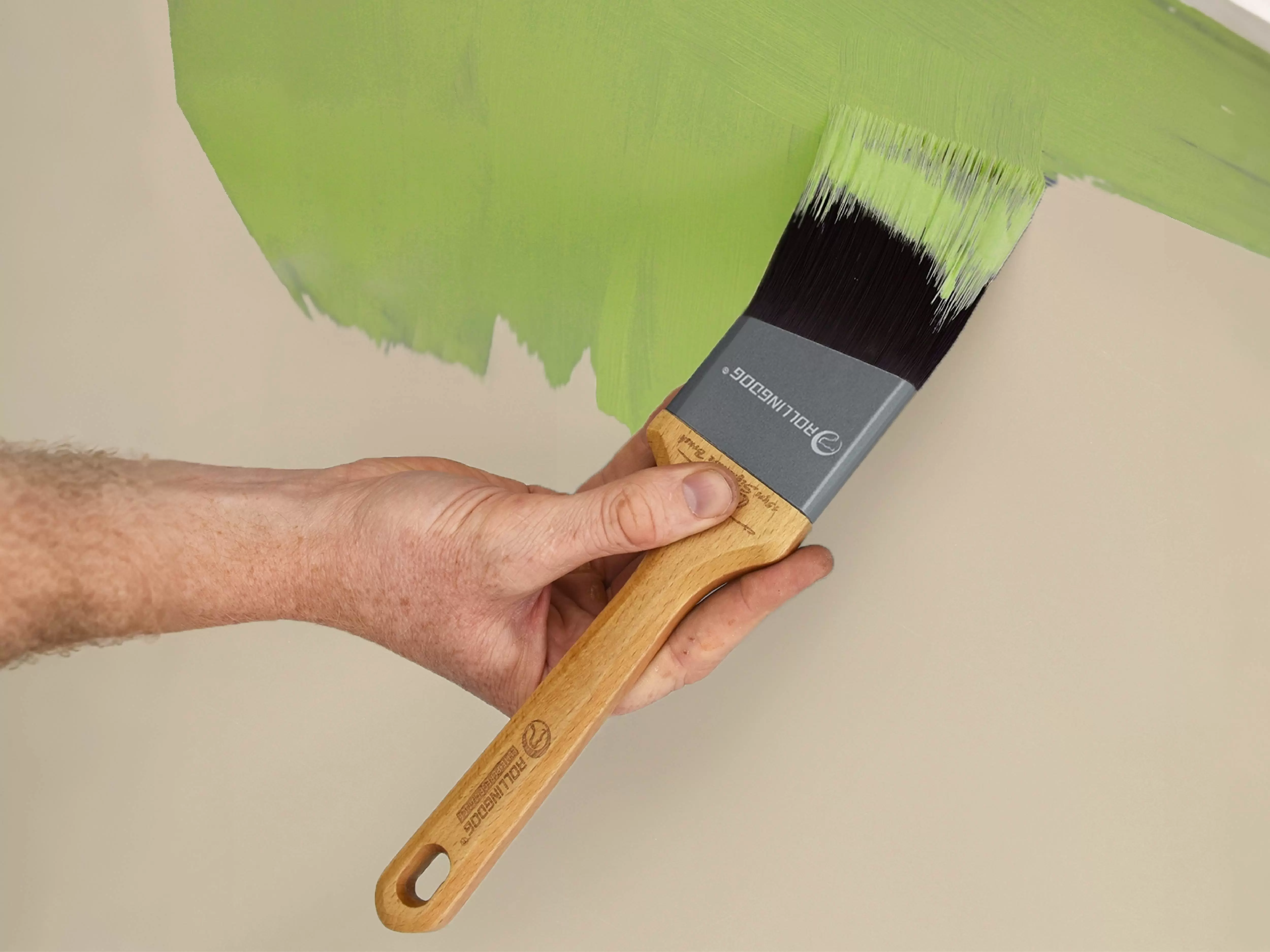
One of the most significant trends is the demand for tools that reduce material waste. Efficient paint rollers and brushes are designed to hold and release paint more effectively, minimizing dripping, splatter, and over-application.
This not only lowers material costs but also supports sustainability goals by reducing unnecessary consumption.
Durable & Long-Life Tools
Sustainability is not just about materials—it is also about longevity. High-quality paint tools that can be reused multiple times are becoming increasingly important.
Compared to disposable, low-cost tools, durable products:
Generate less waste
Offer better long-term value
Perform more consistently across projects
Compatibility with Water-Based Paints
As water-based coatings dominate the market, compatibility has become essential. Tools must be designed to work seamlessly with these formulations, maintaining their shape, absorption, and peformance over time.
Poor-quality tools can lead to:
Uneven finishes
Fiber shedding
Increased rework and waste
Ergonomic & Efficiency-Focused Design
Efficiency plays a key role in sustainable construction. Ergonomically designed tools help painters work faster and more comfortably, reducing fatigue and improving productivity.
In large-scale projects, increased efficiency translates to:
Lower labor costs
Reduced energy usage
Faster project completion
Eco-Friendly Materials in Manufacturing
Sustainability is also influencing how tools themselves are produced. Manufacturers are exploring:
Recyclable or reduced-plastic components
Environmentally friendly packaging
More energy-efficient production processes
These changes help reduce the overall environmental impact of the supply chain.
4.Opportunities for Distributors & Retailers
Growing Demand from Contractors
As green building projects increase, contractors are actively seeking tools that meet higher performance and sustainability standards. This creates opportunities for distributors to expand their product offerings and target professional buyers.
Retail Shift Toward Sustainable Products
End consumers are becoming more environmentally conscious. Retailers that offer eco-friendly tool options can attract a growing segment of buyers who value sustainability.
Differentiation Through Eco-Friendly Tool Lines
In a competitive market, sustainability can serve as a powerful differentiator. Offering a dedicated range of sustainable paint tools allows businesses to stand out and align with modern construction trends.
5.How ROLLINGDOG Supports Sustainable Painting
As the industry evolves, professional brands like ROLLINGDOG are adapting to meet new demands.
ROLLINGDOG focuses on:
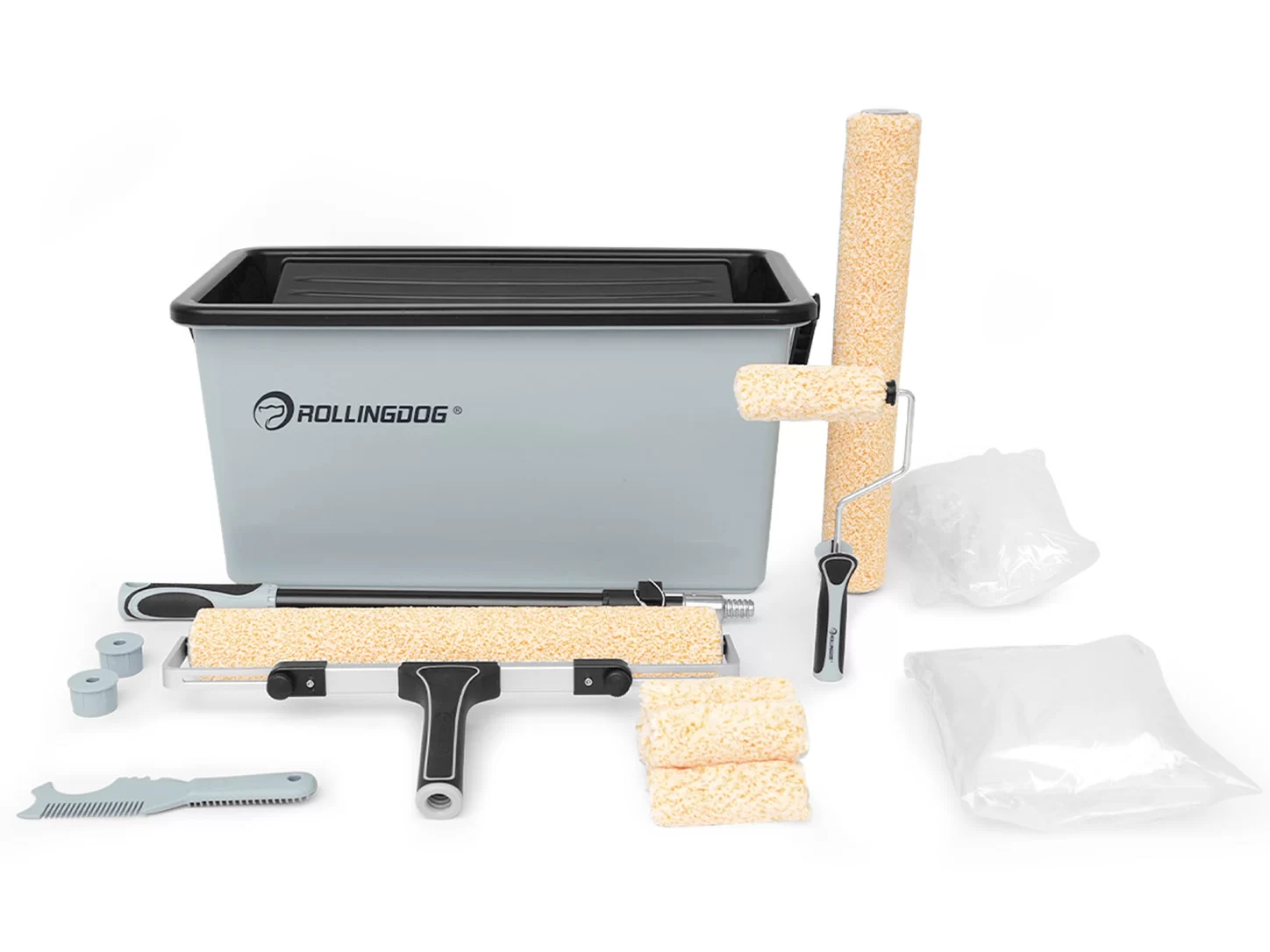
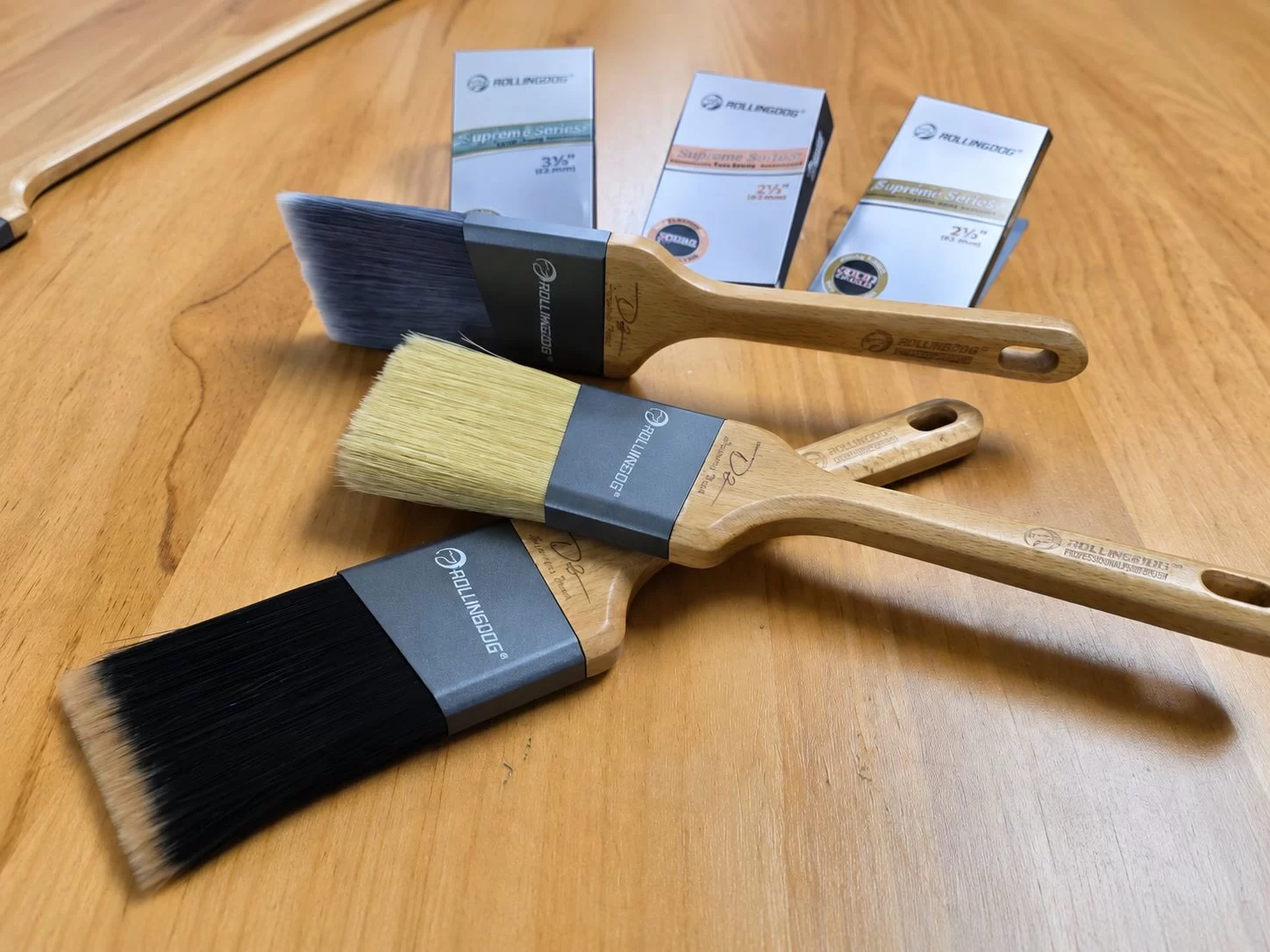
- High-quality, long-lasting paint tools that reduce replacement frequency
- Efficient designs that minimize paint waste and improve application performance
- Compatibility with modern water-based and eco-friendly coatings
- Reliable supply capabilities for large-scale projects
By combining durability, innovation, and scalability, ROLLINGDOG helps partners stay competitive in the era of green construction.
6.Future Outlook – Sustainability Will Become the Standard
Green building is no longer a temporary trend—it is becoming the foundation of modern construction. As regulations tighten and market expectations rise, sustainability will continue to shape every aspect of the industry.
For paint tools, this means:
- Higher performance requirements
- Greater emphasis on durability and efficiency
- Increased demand for environmentally responsible production
Companies that adapt to these changes early will be better positioned to succeed in the evolving market.
7.Conclusion
The relationship between green building and painting tools is becoming increasingly clear:
Green construction drives eco-friendly coatings—and eco-friendly coatings demand better tools.
For distributors, retailers, and contractors, this shift presents both challenges and opportunities. By embracing sustainable paint tools, businesses can not only meet new standards but also gain a competitive edge.
Looking to upgrade your product line with sustainable paint tool solutions? Partner with ROLLINGDOG and stay ahead of the green building trend.

Written by the ROLLINGDOG product and application team — professional painting tools engineers and field trainers with combined experience across residential, commercial, and industrial coating projects.