


1.Introduction: The Importance of Choosing the Right Paint Brush
When it comes to professional painting results, the quality of your brush is just as important as the quality of your paint. The material of the brush bristles determines how much paint it holds, how evenly it applies, and how long it lasts under heavy use.
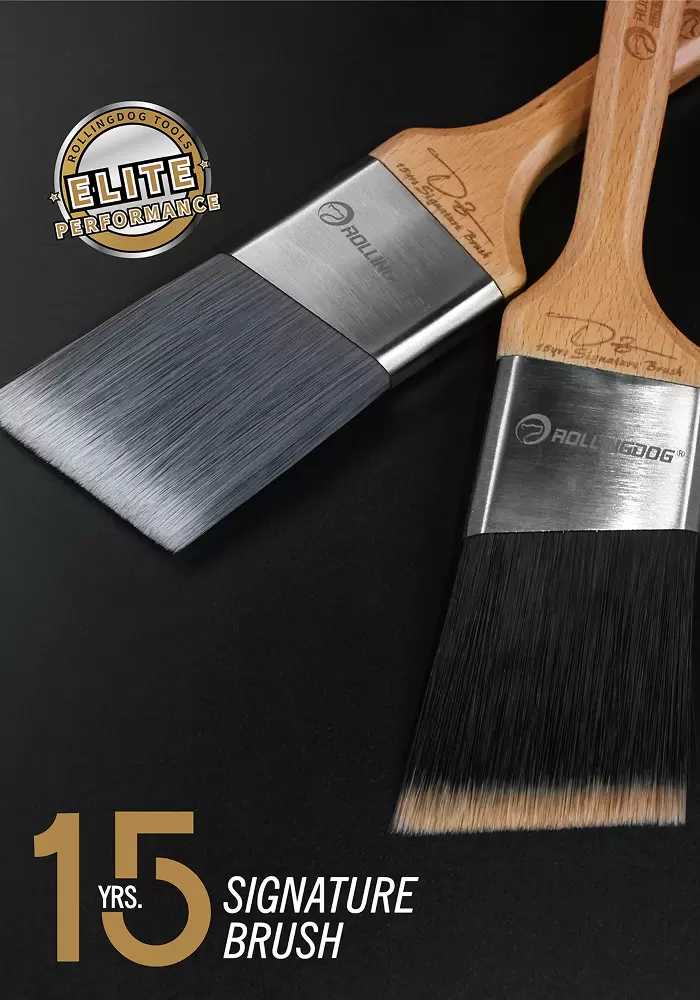
At ROLLINGDOG, we manufacture a full range of paint brushes — both natural and synthetic — designed to meet the needs of professional users, wholesalers, and importers across global markets. Understanding the difference between natural and synthetic brush materials helps you make the right sourcing decision for your customers or business.
2.Overview of Brush Materials: Natural vs Synthetic
Choosing the right paint brush begins with understanding the materials used for bristles. Each type — natural or synthetic — has unique properties that affect paint application, durability, and overall performance. For wholesalers, importers, and professional painters, knowing these differences is essential to select the right products for their markets.
2.1 Natural Bristles
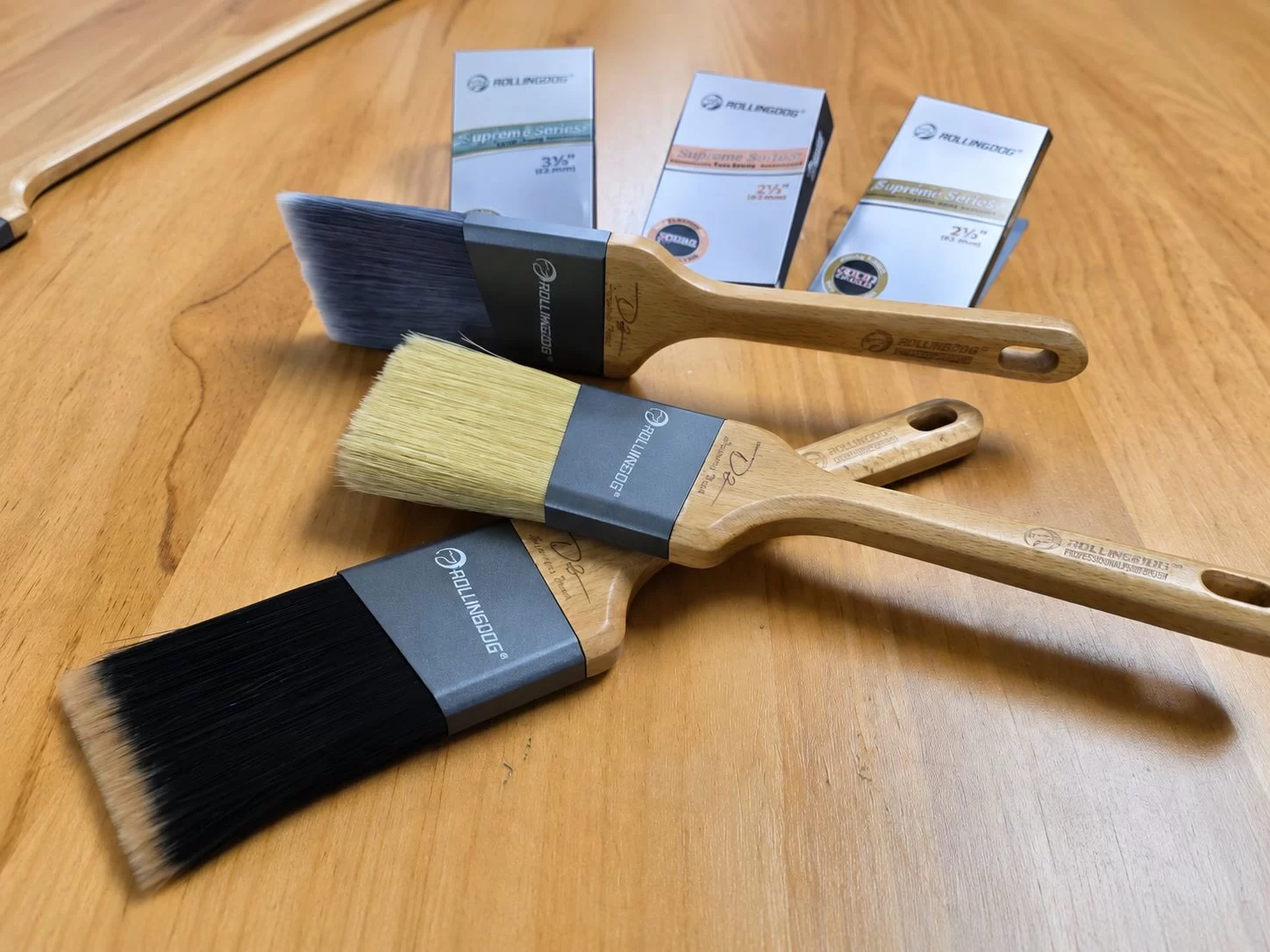
Natural bristle brushes are made from high-quality animal hairs, most commonly hog hair, ox hair, or a blend of specialized fibers. These brushes are prized for their ability to hold a large amount of paint and deliver a smooth, even finish, making them ideal for oil-based paints, varnishes, and fine decorative work.
Key features of natural bristles include:
- Flexibility: Bristles bend without breaking, allowing precise control over paint application.
- Paint absorption: High absorption ensures fewer dips into the paint and smoother strokes.
- Premium finish: Creates professional-grade finishes favored in high-end woodwork, furniture, and decorative projects.
2.2 Synthetic Bristles
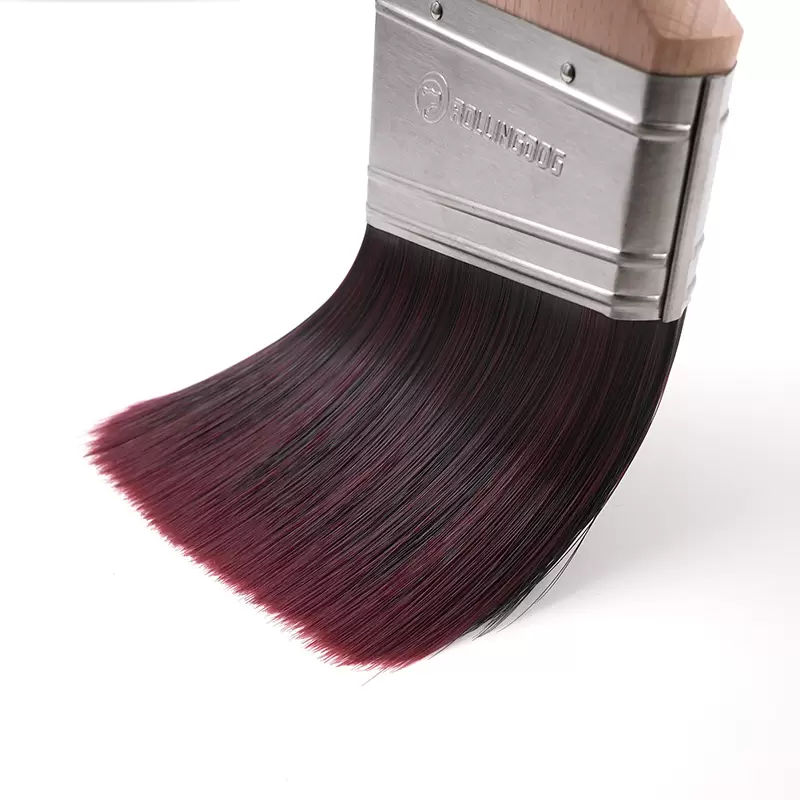
Synthetic brushes are crafted from materials such as nylon, polyester, or advanced blends like PBT and PET. These brushes are highly durable, water-resistant, and compatible with water-based paints.
Key features of synthetic bristles include:
- Consistency: Maintain shape and stiffness under repeated use.
- Easy maintenance: Resistant to swelling, shedding, or distortion after cleaning.
- Versatility: Suitable for a wide range of coatings, including latex, acrylic, and enamel paints.
A clear comparison can help wholesalers and importers quickly evaluate which brush type fits their market:
| Natural Bristle | Synthetic Bristle | |
| Material | Hog hair, ox hair, or other animal hair | Nylon, polyester, or PBT/PET |
| Best for | Oil-based paints, varnishes | Water-based paints, acrylics |
| Durability | Moderate | Excellent |
| Paint absorption | High | Controlled |
| Maintenance | Requires care | Easy to clean |
| Cost | Higher | More economical |
3.Advantages of Natural Bristle Brushes
Natural bristle brushes are a premium choice for professional painting applications. ROLLINGDOG Tools’ DOBERMAN™ series exemplifies this, offering a blend of natural and synthetic bristles for enhanced durability and performance. Their key advantages include:
- Excellent Paint Absorption: Natural hairs hold more paint, reducing the need for frequent reloading and allowing smoother, continuous strokes.
- Superior Finish Quality: The flexible bristles create a uniform, polished finish, ideal for oil-based paints, varnishes, and fine decorative work.
- Precision and Control: Soft yet resilient, natural bristles bend easily to follow edges and contours, giving painters better control over detail work.
- Premium Perception: Products finished with natural bristle brushes convey high quality, appealing to customers who value craftsmanship.
- Recommended Products & Usage Scenarios:
- Furniture & Woodwork: Smooth varnishes and high-end finishes on wooden furniture, doors, and panels.
- Decorative Projects: Intricate trim, moldings, and artistic coatings requiring fine detail.
- Oil-Based Coatings: Cabinets, floors, and specialty paints where a glossy, even surface is desired.
For B2B buyers, including wholesalers and importers, offering natural bristle brushes provides access to the premium market segment, supporting higher-value projects and discerning clients.
4.Advantages of Synthetic Bristle Brushes
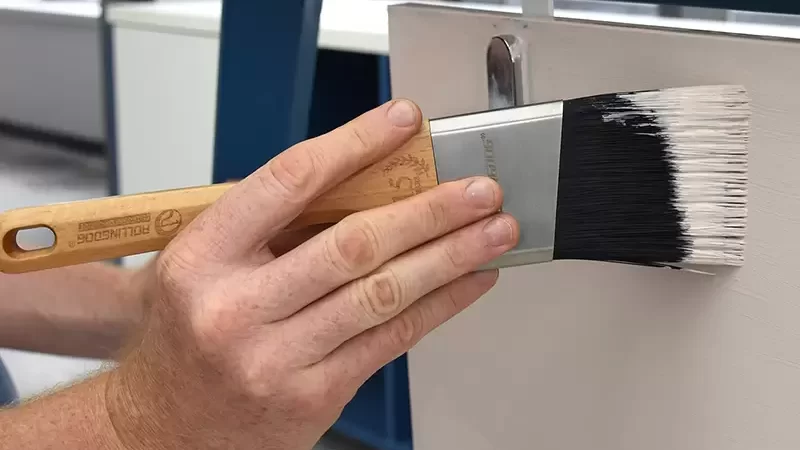
Synthetic bristle brushes are a versatile and durable choice for professional painting applications. Their key advantages include:
- Durability and Shape Retention: Synthetic fibers, such as nylon, polyester, PBT, and PET, maintain their shape and stiffness even after repeated use, ensuring consistent performance on every project.
- Compatibility with Water-Based Paints: Synthetic bristles work exceptionally well with latex, acrylic, and enamel paints, providing smooth and even coverage without fraying or swelling.
- Easy Maintenance: Synthetic brushes are simple to clean and resistant to damage from water or solvents, making them ideal for frequent use and bulk projects.
- Cost-Effectiveness and Versatility: These brushes can be manufactured in different stiffness levels and tip shapes, allowing suppliers to cater to a variety of coatings and surfaces while keeping costs competitive.
- Recommended Products & Usage Scenarios:
- Water-Based Paints: Walls, ceilings, and general interior or exterior surfaces.
- Commercial & Industrial Projects: Large-scale applications requiring durable and reliable brushes.
- Versatile Coatings: Suitable for latex, acrylic, enamel, and other modern coatings across multiple surfaces.
For B2B buyers, including wholesalers and importers, offering synthetic bristle brushes allows access to a wide market segment. These brushes meet global demand for durable, cost-efficient tools suitable for various painting applications.
5.How to Choose for Your Market or Project
Selecting the right paint brush material depends not only on the type of paint but also on the preferences and regulations of your target market. Different regions have different standards for coatings, with some markets favoring water-based paints while others still rely on oil-based finishes. Understanding these differences helps wholesalers and importers stock the most suitable brushes, reduce returns, and meet customer expectations.
Understanding different brush materials and their best applications is crucial for sourcing the right products for your market. For a detailed comparison and professional guidance on bristle selection, see How to Choose the Right Paint Brush Bristle Material
| Market | Preferred Paint Type | Recommended Brush Material |
| Europe (UK, DE, FR, ES) | Water-based paints | Synthetic |
| North America (US, CA) | Mixed (water & oil-based) | Synthetic / Natural blend |
| Asia-Pacific | Oil-based decorative coatings | Natural |
| Middle East & Africa | Enamel and industrial coatings | Synthetic with firm bristles |

6.FAQ: How to Choose the Right Paint Brush Material
Q1: When should I use natural bristle brushes?
A: Use natural brushes for oil-based paints, varnishes, and high-end wood finishes. They hold more paint and give a smooth, premium finish.
Q2: When should I use synthetic brushes?
A: Use synthetic brushes for water-based paints, acrylics, and latex coatings. They are durable, easy to clean, and cost-effective for bulk projects.
Q3: Can I use synthetic brushes with oil-based paints?
A: Yes, but natural bristles perform better for smooth coverage and professional results.
Q4: How do I choose brushes for different markets?
A: Europe prefers synthetic brushes for water-based paints. Asia-Pacific often favors natural brushes for oil-based coatings. Offering both types meets diverse market needs.
Q5: How should brushes be maintained for longer life?
A: Clean immediately after use. Natural brushes need solvent cleaning, synthetic brushes can use water and mild soap. Proper care prevents damage and shedding.
Q6: Should I offer both natural and synthetic brushes in my product line?
A: Yes. Offering both types helps you cover premium and cost-effective markets, satisfy different customer needs, and increase sales opportunities.
7. Conclusion: Making the Right Choice
Choosing the right paint brush is essential for achieving high-quality finishes and meeting customer expectations. Natural bristle brushes excel with oil-based paints and premium woodwork, while synthetic brushes offer durability, easy maintenance, and excellent performance with water-based coatings.
For wholesalers and importers, understanding market preferences and selecting the appropriate brush materials ensures product reliability and customer satisfaction. Offering a mix of natural and synthetic brushes allows you to serve diverse markets, reduce returns, and maximize sales opportunities.
At ROLLINGDOG, we provide a full range of professional paint brushes designed for bulk purchasing and high-performance use. Contact us today to source the right brushes for your market and give your clients the quality they expect.

Zoe Cen is a Marketing Specialist at ROLLINGDOG, a global leader in professional painting tools. She works on connecting the brand with international distributors and retailers, highlighting ROLLINGDOG’s innovation in brushes, rollers, and accessories. With a focus on global B2B marketing, Zoe helps partners access reliable, high-quality painting solutions for professionals and DIY users.