




1. Why the Paint Roller Frame Is Often Overlooked in Painting Projects
When people talk about painting tools, most attention goes to paint, brushes, or roller covers. The roller frame is often seen as just a handle that holds the roller cover. However, after working with painting tools and contractors for many years, it becomes clear that the roller frame plays a much bigger role.
A well-designed roller frame affects how smoothly the roller turns and how evenly paint is applied. If the frame is weak or poorly balanced, the roller may wobble or stop spinning properly, leading to uneven paint coverage.
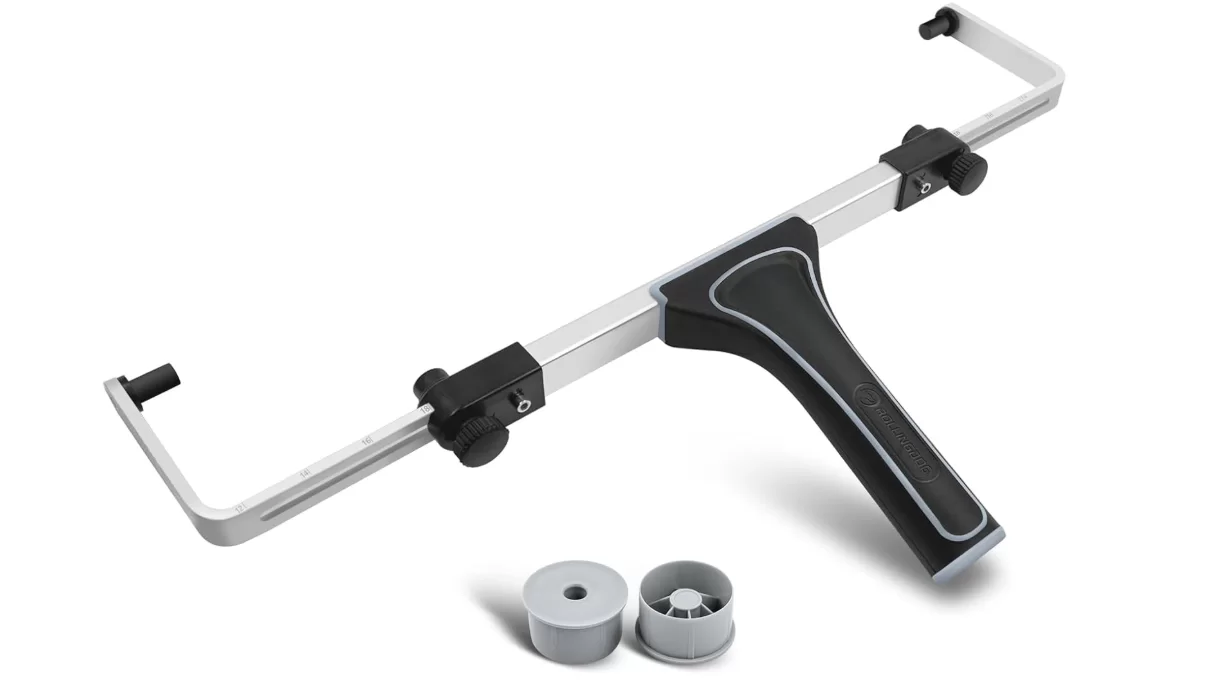
Most modern roller frames use a steel cage structure to hold the roller cover. High-quality frames are typically made with strong metal rods and ergonomic handles, allowing painters to work more comfortably. Many frames also include threaded handles that connect to extension poles for painting ceilings and tall walls.
For large projects such as residential renovations or commercial painting, the right roller frame can improve efficiency and reduce physical strain. This is why professional painters often pay close attention to the frame they use.
1.1 Why Professionals Pay Attention to Roller Frames
Professional painters know that the roller frame is an important part of the painting system. A well-built frame allows the roller cover to spin smoothly and apply paint evenly.
Smooth rolling performance is essential. Reinforced steel cages keep the roller cover centered and stable, reducing slipping or uneven rotation.
Durability is also important. Contractors use their tools frequently, so frames made from heavy-gauge steel are better able to withstand long-term use.
Comfort matters as well. Ergonomic handles or rubber grips help reduce hand fatigue, especially when painting large walls or ceilings.
Most professional frames also include threaded ends that connect to extension poles, making it easier to reach high surfaces. Because of these benefits, experienced painters often choose their roller frames carefully.
1.2 What Makes the Best Paint Roller Frame
The best paint roller frame usually combines several important design features. These features help improve performance, durability, and comfort during painting.
Strong frame construction is one of the most important elements. Most professional roller frames use steel rods, often around 5/16 inch in thickness, to provide strength and stability. Strong metal frames prevent bending and keep the roller cover aligned while painting.
Another key feature is the cage design. The cage is the part of the frame that holds the roller cover. A well-built cage allows the roller cover to spin smoothly while keeping it securely attached to the frame.
Comfort is also important. Many modern roller frames include ergonomic or rubber-coated handles. These handles improve grip and help reduce fatigue during long painting sessions.
Compatibility is the final factor. Most frames are designed to work with standard roller covers and extension poles. For example, many 9-inch frames are compatible with roller covers that have a 1.5-inch inner core, which is considered a common industry size.
When these elements come together—strength, smooth rolling, comfort, and compatibility—the result is a roller frame that can deliver consistent and professional painting results.For additional professional tips on how roller systems (frame and cover) work together and influence overall painting quality, see this comprehensive guide from This Old House.
Before choosing a roller frame size or type, it can be helpful to see how the tool performs during real painting work. The video below demonstrates how a paint roller frame and roller cover work together to apply paint smoothly on walls and ceilings.
2. Paint Roller Frame Sizes and Their Applications
Paint roller frames come in several sizes, and each size is designed for different types of painting projects. Choosing the right frame size can improve painting speed and help achieve better coverage.
Smaller frames offer better control for detailed areas, while larger frames allow painters to cover large surfaces more quickly. Understanding these differences helps both professionals and beginners select the right tool for the job.
This table summarizes the most common paint roller frame sizes and their typical uses.
| Roller Frame Size | Typical Applications | Advantages | Common Users |
| 3–4 inch (Mini Roller) | Trim, cabinets, corners, touch-ups | Precise control in tight spaces | DIY users, painters doing detail work |
| 7 inch | Small walls, furniture, smaller rooms | Good balance between control and coverage | DIY painters, light renovation |
| 9 inch (Standard) | Interior walls, ceilings, general painting | Efficient coverage and wide availability of roller covers | Professional painters and homeowners |
| 18 inch (Wide Roller) | Large walls, warehouses, commercial projects | Covers large areas quickly | Professional contractors |
For most residential painting projects, the 9-inch roller frame remains the industry standard because it offers a good balance between coverage and control.
3. Paint Roller Frame Types Explained
Besides size, roller frames also differ in their structural design. The most common difference is the type of cage that holds the roller cover.
The cage design affects how smoothly the roller spins, how securely it holds the cover, and how durable the frame is during repeated use.
3.1 4-Wire Cage Frames
The 4-wire cage frame is one of the most common designs in basic roller frames. As the name suggests, the cage is made from four metal wires that support the roller cover.
This design is lightweight and simple, making it suitable for general painting tasks and occasional use.
Because the structure is lighter, it is often used in standard retail painting kits and DIY tools.
3.2 5-Wire Cage Frames
The 5-wire cage frame adds an additional support wire compared with the 4-wire design. This extra support helps keep the roller cover firmly in place during use.
Many professional roller frames use a 5-wire cage because it offers:
- stronger support
- smoother rotation
- better durability
Industry product descriptions often highlight the 5-wire cage as a key feature because it helps prevent the roller cover from slipping or shifting during painting.
This design is widely used in professional paint tools.
3.3 Heavy-Duty Professional Frames
Heavy-duty roller frames are designed for frequent use and demanding painting jobs. These frames often use thicker steel rods and reinforced structures to improve strength.
Professional frames may also include features such as:
- reinforced metal ferrules
- ergonomic rubber grips
- smoother cage rotation
Some heavy-duty models are designed with advanced cage systems or bearings to improve rolling performance and reduce friction during use.
Because of their durability and stability, heavy-duty frames are commonly used by professional painters and contractors who work on large projects.
4. Handle Types and Ergonomic Design
Paint roller frames are available with different handle materials. Each type offers different levels of comfort, grip, and durability depending on the painting task.
| Handle Type | Material | Advantages | Typical Use |
| Plastic Ergonomic Handle | Molded plastic | Lightweight and affordable | Household painting and general use |
| Rubber Grip Handle | Plastic with rubber coating | Better grip and reduced hand fatigue | Professional painting and long projects |
| Wooden Handle | Natural wood | Durable and traditional feel | Professional tools and classic designs |
5. Compatibility: Roller Covers and Extension Poles
When choosing a paint roller frame, compatibility is an important factor. The frame must work correctly with both the roller cover and the extension pole to ensure smooth painting performance.
If these components do not match properly, the roller may not spin correctly or the tool may feel unstable during use. Understanding how roller frames connect with these accessories helps painters achieve better results.
5.1 Matching Roller Frames with Roller Covers
Choosing the right roller cover is just as important as selecting the correct roller frame. Different surfaces require different nap lengths to ensure smooth paint coverage and efficient paint application.
| Surface Type | Recommended Nap Length | Typical Applications |
| Smooth surfaces | 1/4″ – 3/8″ | Interior walls, drywall |
| Lightly textured surfaces | 1/2″ – 3/4″ | Plaster, lightly textured walls |
| Rough or textured surfaces | 3/4″ – 1″ | Brick, stucco, concrete |
For more detailed guidance on selecting the right roller cover nap length for different surfaces, check out our complete guide: Paint Roller Covers Nap Length Guide
5.2 Extension Pole Compatibility
Many roller frames are designed with a threaded handle that connects to an extension pole. This feature allows painters to reach high walls and ceilings without using ladders.
Extension poles are widely used in both residential and commercial painting because they increase efficiency and reduce physical strain.
Most roller frames follow common industry thread standards, which makes them compatible with a wide range of extension poles. When connected properly, the pole becomes an extension of the roller frame, allowing painters to maintain control while working at higher elevations.
Using an extension pole can also improve painting speed. By allowing the painter to stay on the floor, it reduces the time spent climbing up and down ladders during large projects.
6. How Professionals Choose the Best Paint Roller Frame
Experienced painters often evaluate several factors before selecting a roller frame. While beginners may focus mainly on price, professionals typically look for tools that deliver reliable performance over time.
Through years of practical use, contractors have identified several features that define a high-quality roller frame. These include durability, smooth rolling action, and overall comfort during extended painting sessions.
6.1 Durability and Build Quality
Durability is one of the most important qualities of a professional roller frame. High-quality frames are usually made from strong steel rods that resist bending under pressure.
Many professional frames use thicker metal construction to maintain stability during heavy use. This is important when painters apply pressure to the roller while covering large surfaces.
A durable frame also maintains its shape over time. This ensures that the roller cover stays aligned and continues to rotate smoothly even after repeated use.
For contractors who paint frequently, investing in durable tools can reduce the need for frequent replacements.
6.2 Smooth Rolling Performance
Smooth rolling performance is essential for achieving even paint coverage. If the roller does not rotate freely, the paint may be applied unevenly across the surface.
High-quality roller frames are designed with balanced cages that allow the roller cover to spin smoothly. This reduces friction and helps the paint spread evenly.
A smooth rolling action also reduces splatter, which can save time on cleanup and improve the overall finish of the paint job.
Because of these advantages, professional painters often choose roller frames that provide stable and consistent rolling motion.
6.3 Comfort During Long Painting Jobs
Painting large walls or ceilings can take several hours, so comfort is an important factor when choosing a roller frame.
Ergonomic handles and balanced frame designs help reduce strain on the wrist and arm. This allows painters to maintain control of the tool even during long projects.
Comfort also affects productivity. When a tool feels stable and easy to hold, painters can work more efficiently without needing frequent breaks.
For professionals who work on large projects, a comfortable roller frame can make a noticeable difference in both speed and job quality.
7. Final Thoughts: Choosing the Right Roller Frame for Better Painting Results
Choosing the right paint roller frame may seem like a small decision, but it can have a significant impact on the final painting results. The size of the frame, the cage design, the handle type, and the compatibility with roller covers all influence how the roller performs during use.
Smaller frames provide better control for detailed work, while larger frames help painters cover wide surfaces more quickly. The cage structure affects how smoothly the roller spins, and the handle design determines how comfortable the tool feels during long painting sessions.
Professional painters often focus on durability, stability, and comfort when selecting their tools. By choosing a well-designed roller frame that works properly with roller covers and extension poles, painters can improve efficiency and achieve more consistent paint finishes.
Whether the project involves painting a single room or covering large commercial walls, the right roller frame helps ensure smoother application, better coverage, and more reliable results.

Zoe Cen is a Marketing Specialist at ROLLINGDOG, a global leader in professional painting tools. She works on connecting the brand with international distributors and retailers, highlighting ROLLINGDOG’s innovation in brushes, rollers, and accessories. With a focus on global B2B marketing, Zoe helps partners access reliable, high-quality painting solutions for professionals and DIY users.