





Have you ever finished painting a wall only to find visible lines and uneven patches? Don’t worry — paint streaks are one of the most common problems in DIY and professional painting. The good news is they can be easily fixed and prevented with the right techniques and tools.
1.What Are Paint Streaks and Why Do They Appear?
Paint streaks are uneven visible lines left in painting application. There are a variety of causes of paint streaks, and with proper technique and high-quality paint rollers, they can be easily avoided.

2.Top Causes of Paint Streaks on Walls
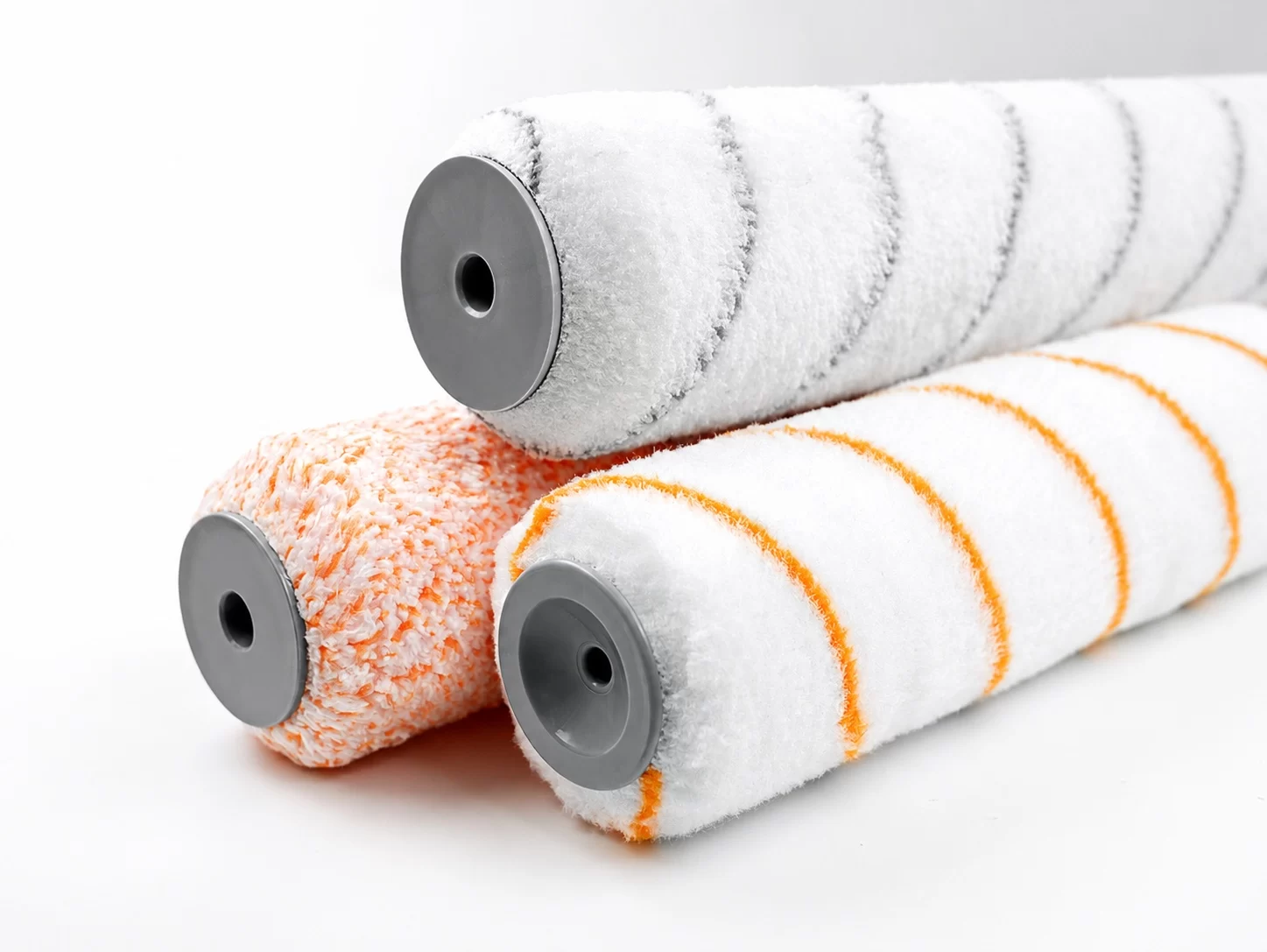
- Uneven pressure applied on roller frame – Most people will apply paint to a wall using a 9” (230mm) roller attached to an extension pole. If pressure is applied more to one side of roller than the other it can lead to heavier streaks left on that side. Improper loading of roller with too much or too little paint, can also increase problems with pressure used painting
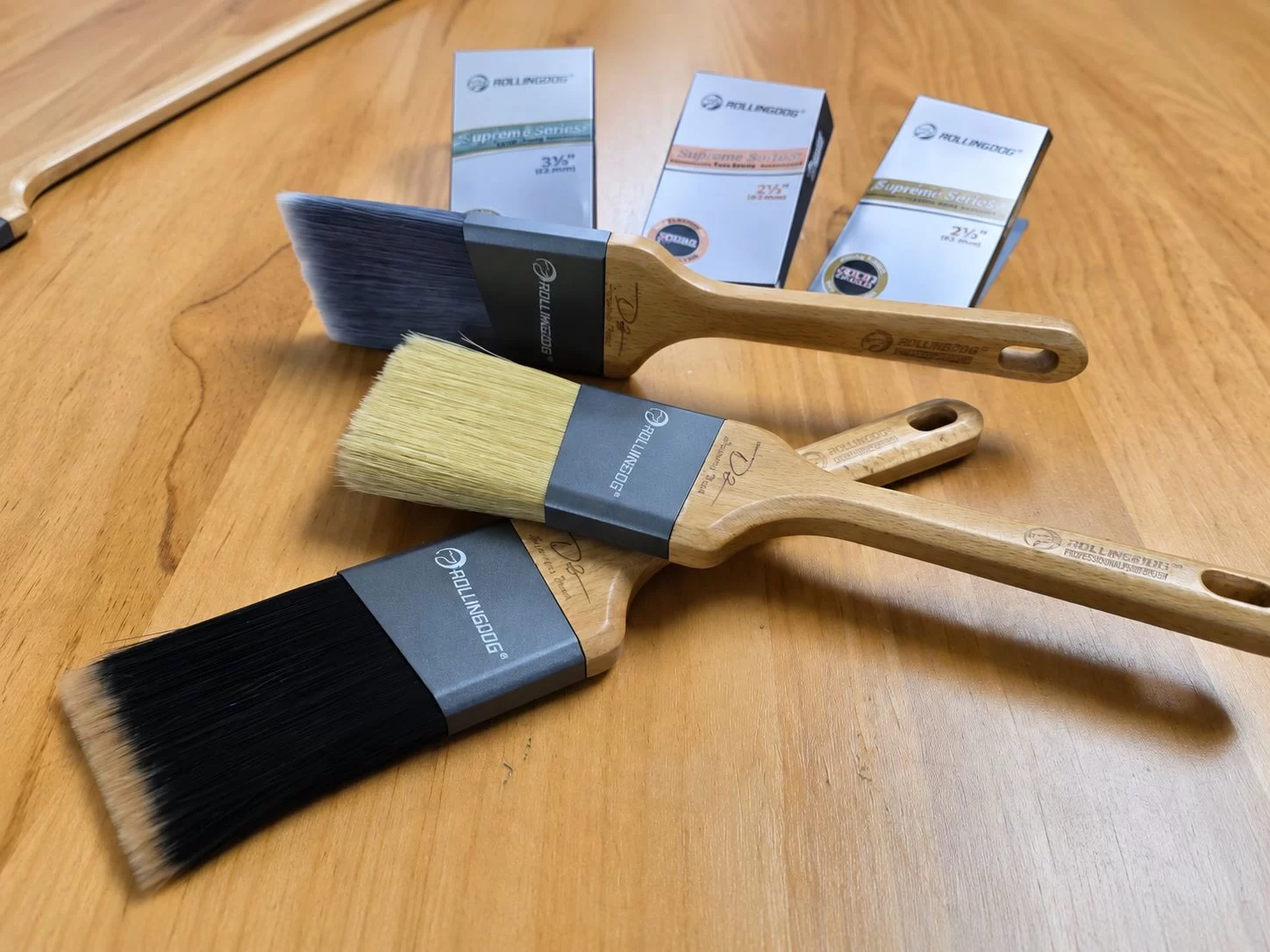
- Improper brush painting – Paint streaks can also be left from brush painting if you are not careful to avoid. Too heavy of paint loads, uneven brushing and low quality brushes can all be a factor with brush marks left on wall.
- Dry edges – Not keeping a wet edge will result from resting or working too large an area at once. When application dries on edge when it is gone over again it will start to build up excess paint in that area.
- Poor quality paint – Using poor quality paint can make it difficult to avoid paint streaks. If the paint is too low quality, it may not have enough pigments or binders, which can lead to uneven coverage once dry. It is worth noting the importance of fully mixing any paint before use as well.
- Unprepared surface – As is with most repairs and renovations, proper preparation is needed before beginning. Dust, dirt, soap and other debris on surface can stop the paint from adhering evenly. That is why it is important to make sure your wall is clean, and free of cobwebs and other contaminants. Any imperfections like previous streaks, bumps and damage to the wall can also lead to further paint streaks
Here’s a quick summary table of the most common causes of paint streaks and how to fix them:
| Cause | What Happens | How to Fix / Prevent It |
|---|---|---|
| Uneven roller pressure | One side of the roller leaves more paint, creating dark lines. | Apply even pressure and roll from ceiling to floor in smooth strokes. |
| Overloaded / dry roller | Paint drips or patchy coverage. | Dip roller halfway and remove excess on tray before each roll. |
| Poor brush quality | Bristles leave visible marks. | Use high-quality synthetic brushes and apply light, even strokes. |
| Dry edges | Overlapping dry paint causes ridges. | Keep a wet edge and paint smaller sections at a time. |
| Unmixed or low-quality paint | Uneven pigment distribution. | Stir paint thoroughly and use reputable brands. |
| Dirty or damaged wall | Dust and cracks interfere with adhesion. | Clean and sand surface before painting. |
3.How to Fix Paint Streaks: Simple Step-by-Step Solutions
- Sanding – Lightly sand the streaks away with fine grit sandpaper. After sanding be sure to make surface clean and free of any dust.
- Apply primer – If choosing a different color, coat wall with primer before applying first coat. If using the same paint as previous, a primer coat may not be necessary, you can just begin applying new paint coat.
Before you start painting, watch this short guide on how to roll paint smoothly and avoid streaks from the start.
4.Best Tips to Prevent Paint Streaks Before They Start

Use proper technique – Clean surface prior to coating. Use the correct applicators with good quality, being sure to apply even pressure. Keep a wet edge, never let your paint dry before you finish the coat. Use good quality paint that has been fully mixed before applying. Try to evenly load your applicators with the right amount of paint.
Backrolling – Backrolling is a practice of going over your wall from one direction only (i.e. from ceiling to floor) after you finish an area to ensure all the paint is evenly distributed. Professional painters will also roll after edges where a brush was used with mini rollers, to give the edge area the same finish as the rest of wall.
5.Final Takeaway
Painting doesn’t have to be stressful. With the right tools, techniques, and preparation, you can achieve a smooth, professional finish every time.
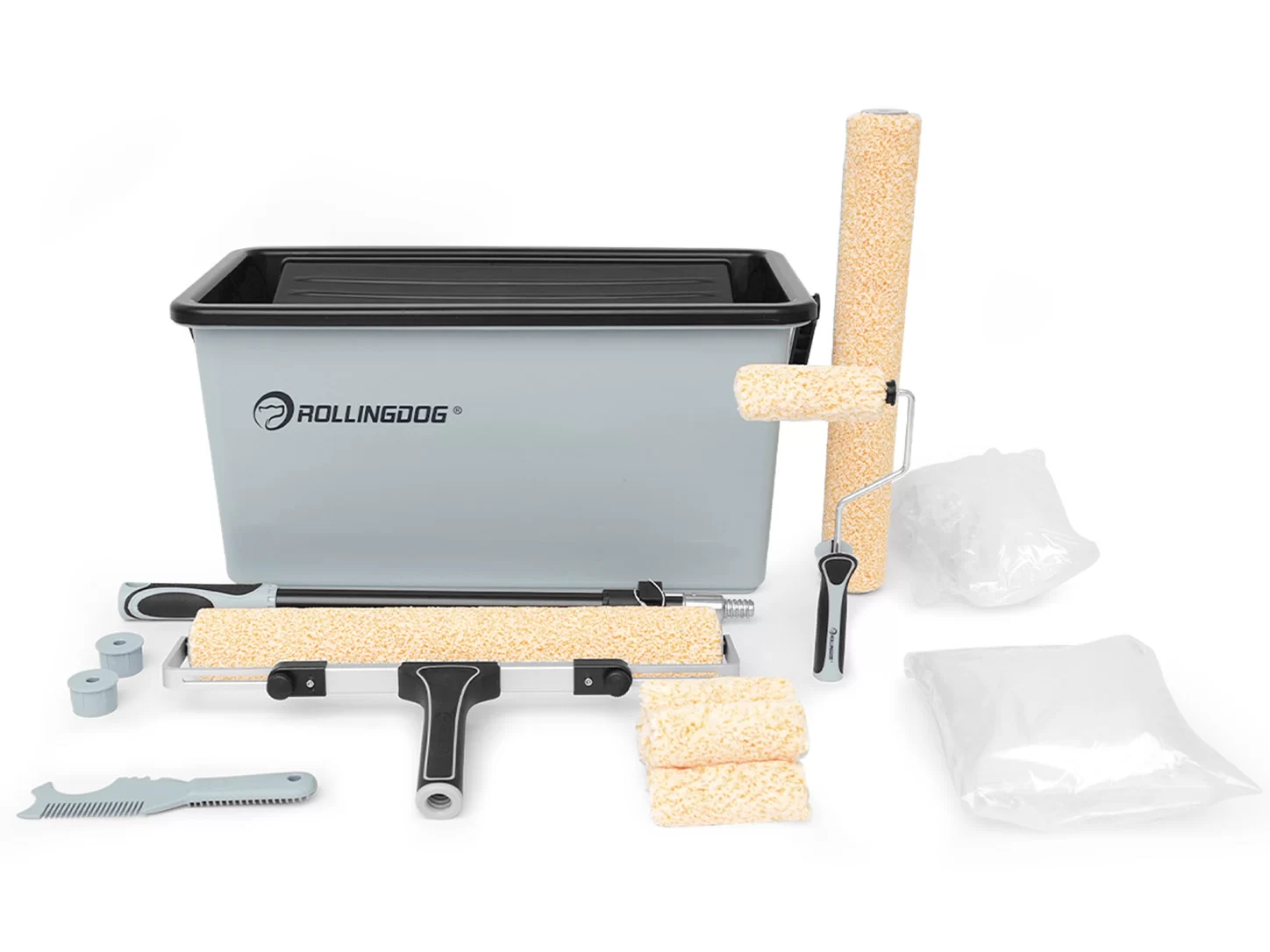
Use high-quality painting tools like those from ROLLINGDOG Tools — trusted by professionals worldwide for paint rollers, brushes and surface protection tools.
✨ Enjoy your next paint project with confidence — streak-free and flawless!
6. FAQs about Paint Streaks
Q1: Why do paint streaks appear even when I use a roller?
A: Streaks usually occur due to uneven roller pressure or overloading the roller with paint. Use light, even pressure and roll in consistent “W” patterns for smooth coverage.
Q2: How can I avoid streaks when painting dark colors?
A: Dark paints highlight streaks more easily. Use a primer, apply two thin coats, and ensure you keep a wet edge throughout application.
Q3: Do low-quality tools really cause paint streaks?
A: Yes. Cheap rollers and brushes can shed fibers or absorb paint unevenly.
Q4: How long should I wait between coats of paint?
A: Typically 2–4 hours, depending on humidity and paint type. Check the paint label for manufacturer guidance.
Q5: Can streaks be fixed without repainting the entire wall?
A: Yes—lightly sand the affected area, feather the edges, and repaint with a consistent finish using a professional roller cover.

Zoe Cen is a Marketing Specialist at ROLLINGDOG, a global leader in professional painting tools. She works on connecting the brand with international distributors and retailers, highlighting ROLLINGDOG’s innovation in brushes, rollers, and accessories. With a focus on global B2B marketing, Zoe helps partners access reliable, high-quality painting solutions for professionals and DIY users.