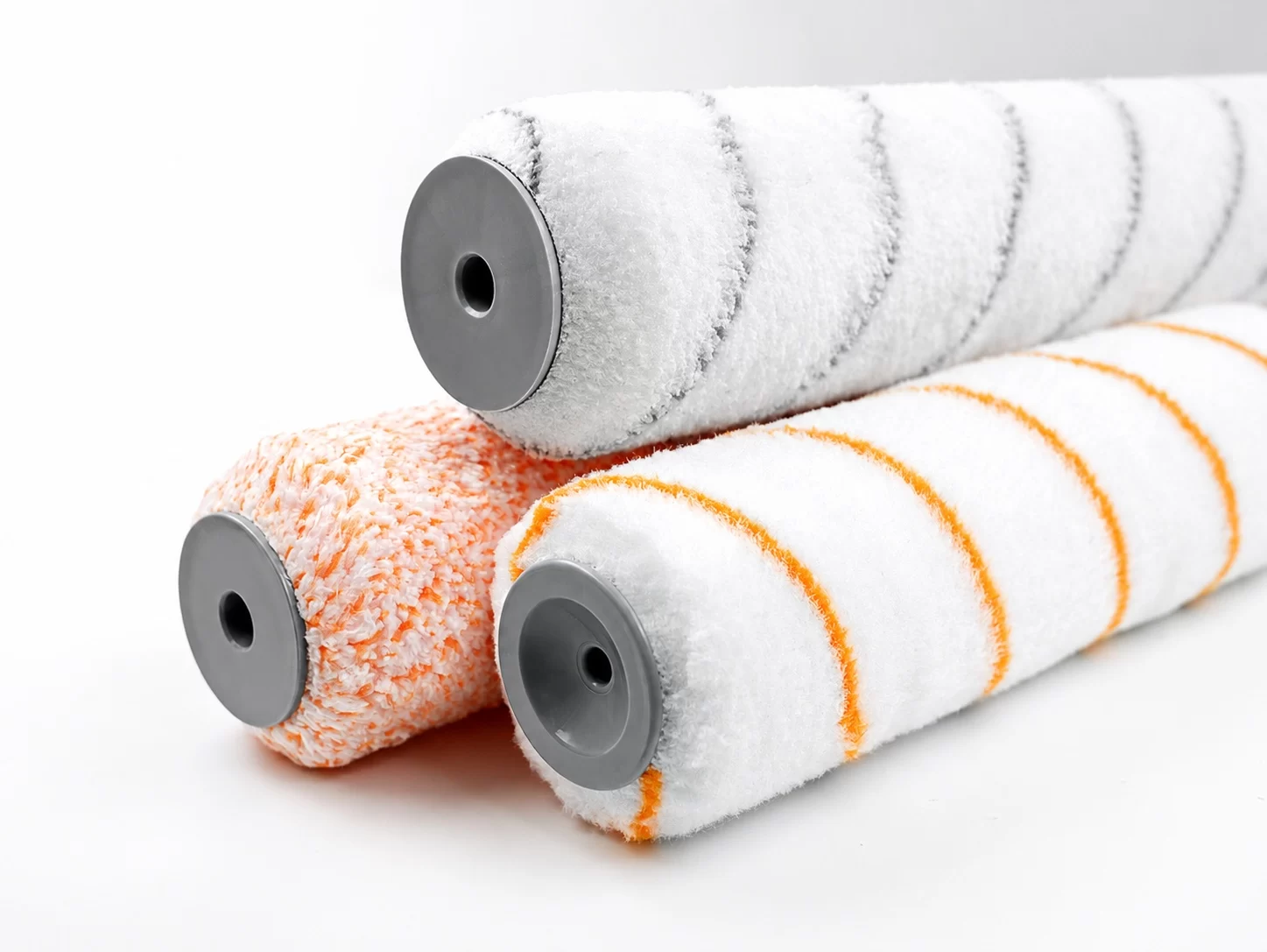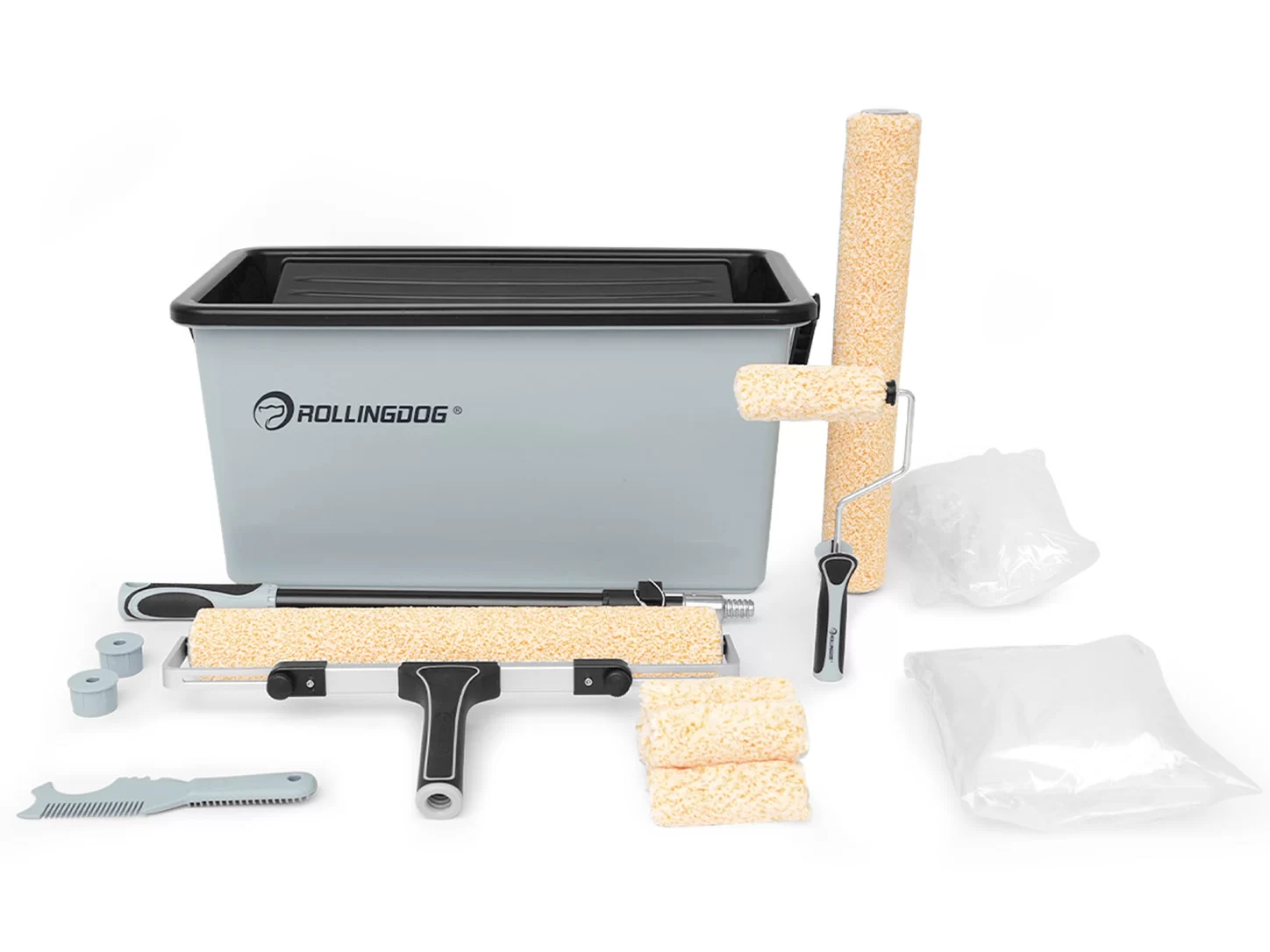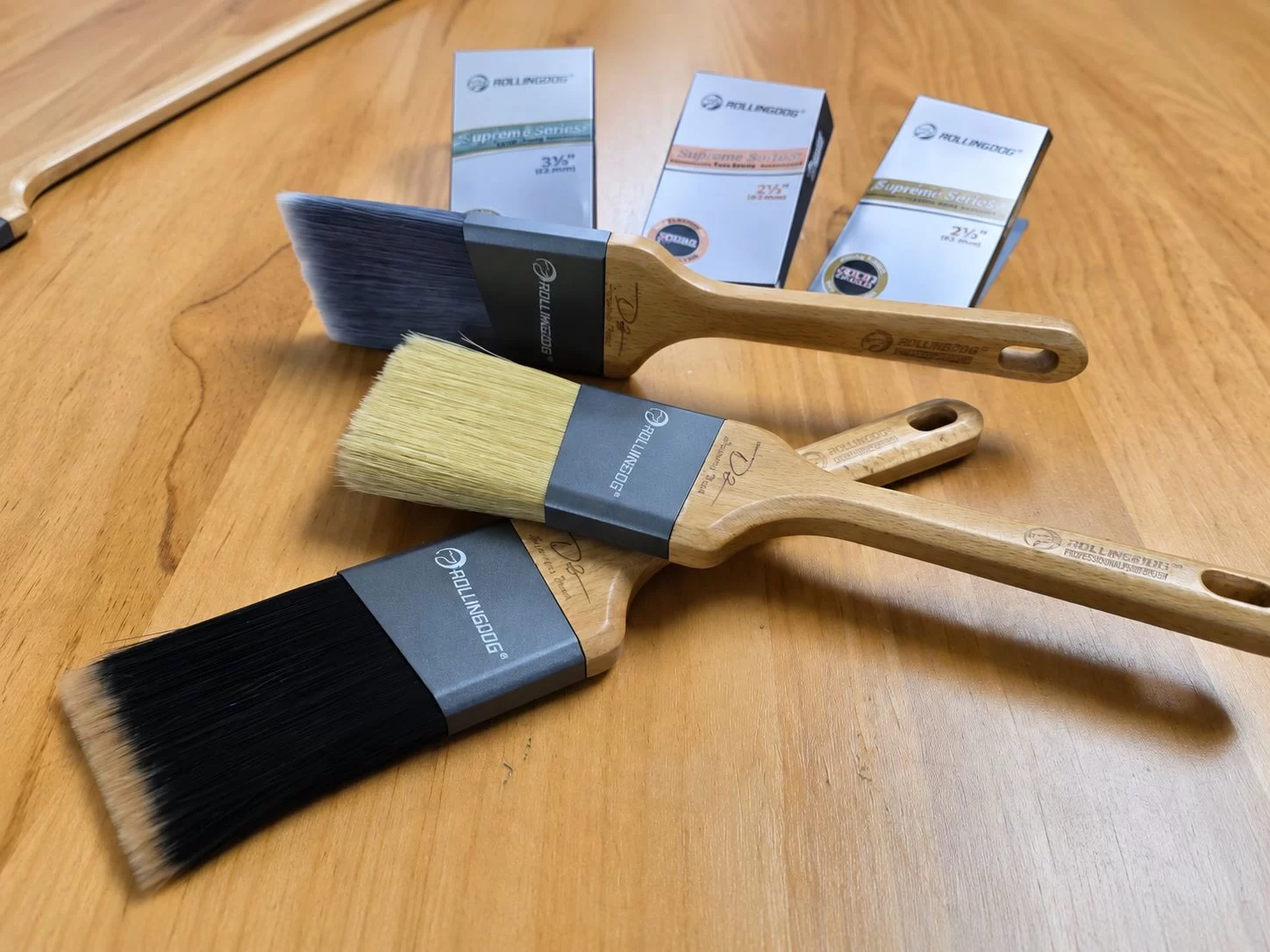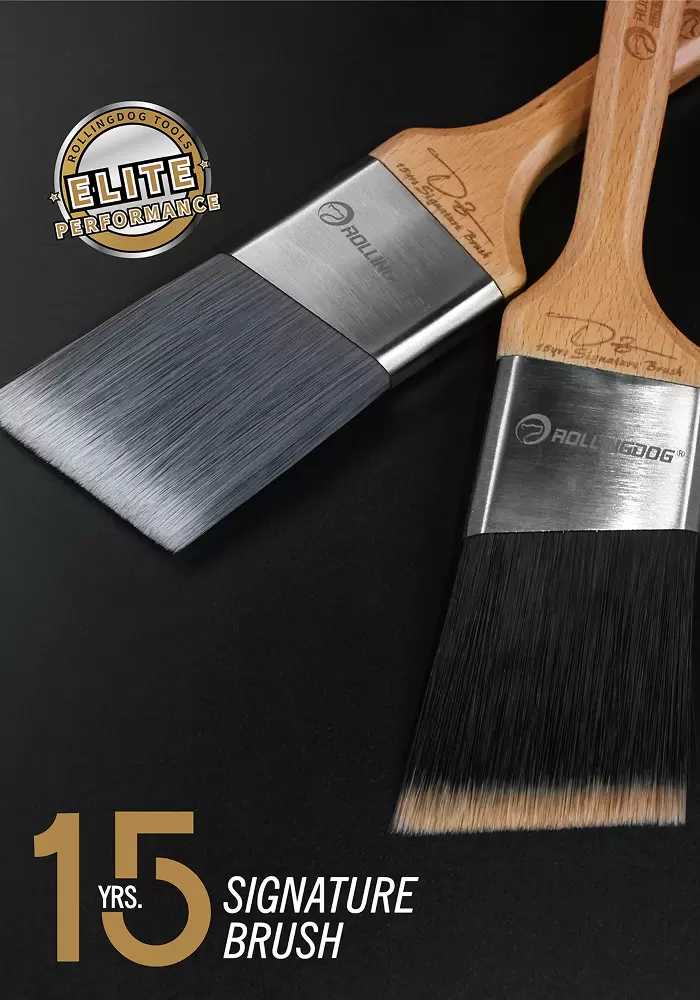





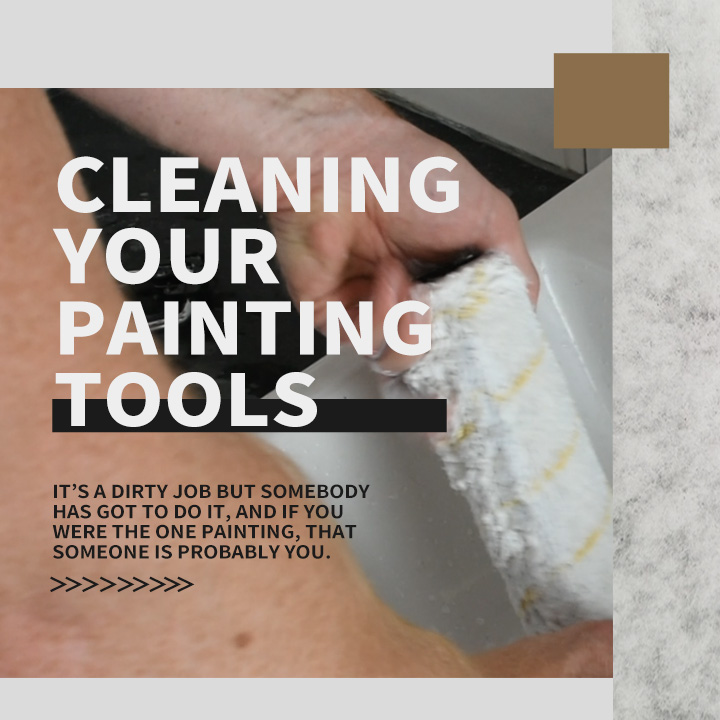
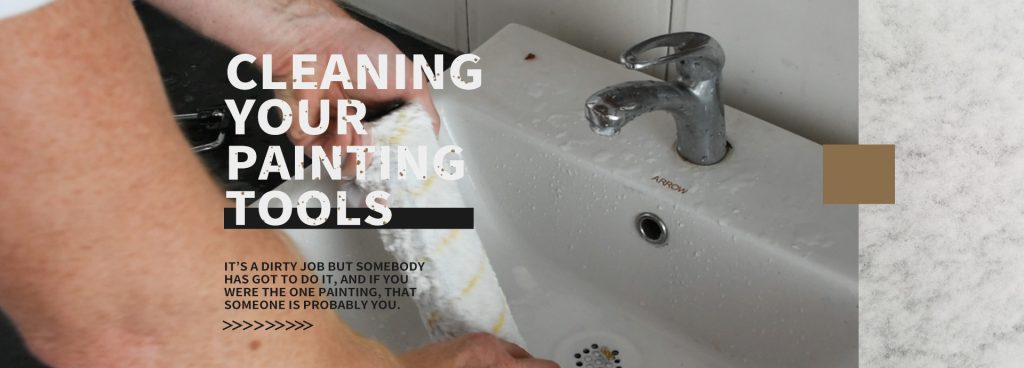
Cleaning your painting tools can be one of the least enjoyable parts of any home renovation—but with the right approach, it can be quick, effective, and help your tools last for years. High quality paint brushes and rollers, like those from ROLLINGDOG, not only deliver a professional finish but also save you money over time.
This guide walks you through cleaning paint brushes and cleaning paint rollers, covering both water-based and oil-based paints, with step-by-step instructions and recommended tools.
Why Proper Cleaning Matters
- Save Money: High quality paint brushes and rollers last longer when cleaned properly.
- Better Results: Clean brushes and rollers provide a smoother, more even paint application.
- Protect Your Investment: ROLLINGDOG brushes and rollers can last for years with proper care.
- Prevent Contamination: Cleaning your tools thoroughly prevents leftover paint from mixing with fresh paint, avoiding color contamination or uneven finishes.
Cleaning Paint Brushes
If you’ve used a premium brush, like ROLLINGDOG’s, you’ll want to keep it in great condition. Here’s how:
Step 1: Remove Excess Paint
Wipe away as much paint as possible with a rag or paper towel before washing.
Step 2. Choose your cleaning method
- For water-based paint, use warm, soapy water. Work the paint out of the bristles with your fingers.
- For oil-based paint, follow the paint can’s instructions and use mineral spirits or another recommended solvent.
Optional: A paint brush cleaning tool, like ROLLINGDOG #50417-T, makes cleaning more thorough and faster.
Step 3: Clean the Brush
Water-Based Paint:
- Submerge brush in soapy water.
- Work paint out of bristles with your fingers.
- Rinse and repeat until clean.
Oil-Based Paint:
- Use three containers with fresh solvent.
- Submerge brush in first container, work paint out.
- Move to second and third containers sequentially for complete cleaning.
Step 4: Dry and Store
- Synthetic brushes: rinse solvent out with warm water, blot, and hang to dry.
- Natural bristle brushes: blot solvent and hang to dry.
- Tip: Use the original paper case for storage—it helps maintain the brush’s shape.
⚠️ Never store brushes vertically in water or solvent. The weight will bend the bristles and ruin their performance.

Cleaning Paint Rollers
Unlike brushes, rollers require a slightly different approach. Whether you’re cleaning paint rollers after using latex-based or oil-based paints, the method you choose directly affects how well your tools perform next time. Proper cleaning ensures rollers can be reused multiple times without losing their texture or ability to spread paint evenly.
Step 1: Gather Materials
- Latex gloves
- Painter’s 5-in-1 tool or putty knife
- Paint container
- Mild soap or paint solvent
- Newspaper or paper towels
- Optional: a bucket or tray for pre-soaking rollers to soften dried paint
Step 2: Remove Excess Paint
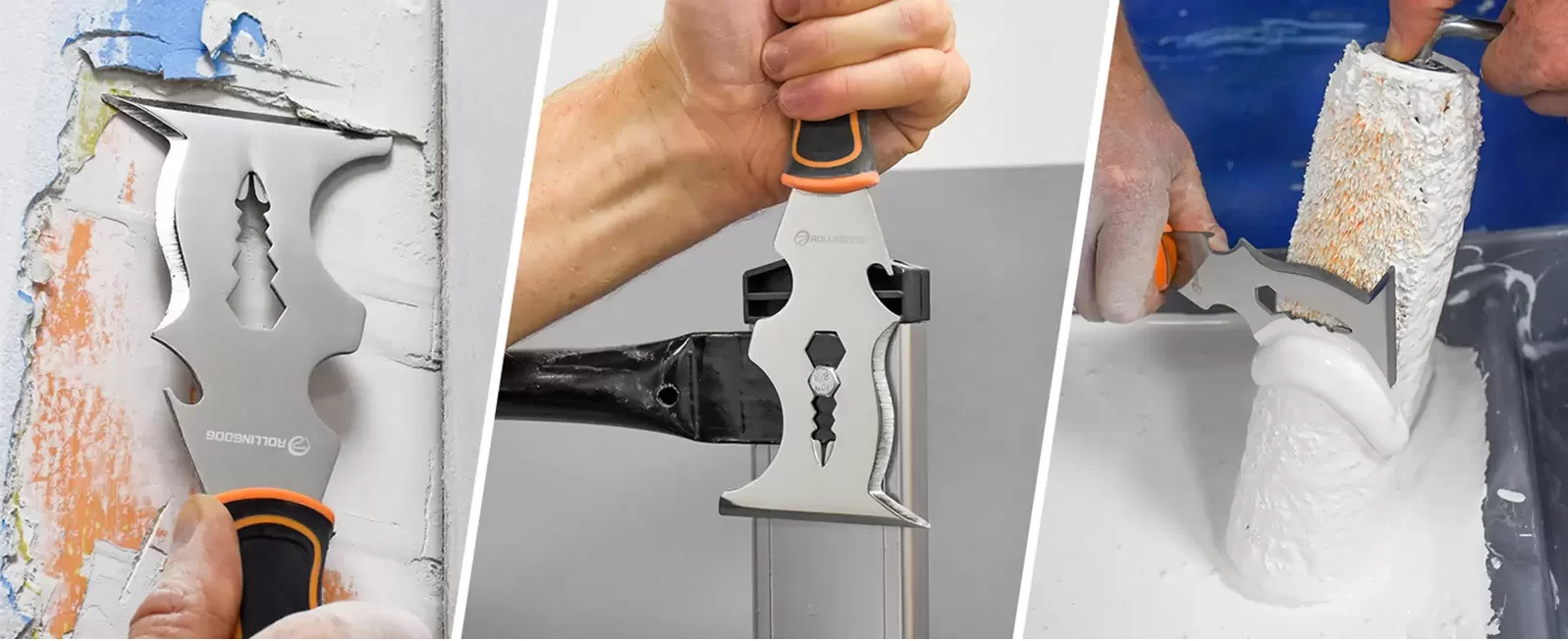
The first step in cleaning paint rollers is to scrape off as much paint as possible while the roller cover is still on the frame. Use a painter’s tool—ROLLINGDOG #50219 or #50217 are ideal options thanks to their concave edge that fits the roller perfectly. This reduces wasted water or solvent later and makes washing more effective.
For a quick visual guide, watch this video on cleaning an 18 inch paint roller before following our detailed step-by-step instructions.
Step 3: Clean the Roller Cover
Cleaning paint rollers depends on the type of paint used. The table below summarizes the key steps, so you can quickly see the differences and follow the right method for your paint type:
| Cleaning Step | Water-Based Paint (Latex) | Oil-Based Paint |
| Remove roller from frame | ✅ Remove roller cover from frame | ✅ Remove roller cover and frame |
| Wash/Soak | Wash in warm, soapy water; work paint out with hands | Submerge roller in 2–3 trays of recommended solvent sequentially; move gently to remove paint |
| Repeat cleaning | Change water and repeat until clean | Repeat with next tray(s) until roller is clean |
| Rinse | Rinse thoroughly with warm water | Rinse roller in clean water to remove residual solvent |
| Clean frame | Clean roller frame with soapy water and wipe dry | Wipe frame with solvent-soaked rag |
| Drying | Stand roller upright to dry; optionally use spin dryer to remove water and prevent fiber matting | Stand upright to dry or use spin cleaner for faster drying |
| Tip/Notes | Spin roller on clean surface or use spin dryer | Properly dispose of used solvent according to local regulations |
Step 4: Rinse and Dry Tools Efficiently
After cleaning, drying is just as crucial as washing. A damp roller can develop mildew or lose shape if not stored properly.
- Use a spin cleaner to quickly remove water or solvent.
- Always stand rollers upright in a clean, dry space.
- Avoid drying near heat sources—excess heat can warp roller fibers and shorten tool lifespan.
Pro Tips for Longevity
- Wrap rollers in plastic and refrigerate during multi-day projects.
- Always clean tools immediately after use.
- Avoid letting brushes or rollers sit in water or solvent for extended periods.
- Invest in a high-quality paint brush cleaning tool—it makes cleaning paint brushes faster and more effective.
- Using high quality paint brushes ensures a professional finish every time.
- Label brushes and rollers if using multiple colors to avoid cross-contamination.
- Regularly inspect your tools for wear and replace damaged brushes or rollers promptly.
FAQ
Q1: How often should I clean my brushes and rollers?
A: Ideally, clean immediately after each use. Waiting too long can make paint dry and damage the fibers, especially for high quality paint brushes.
Q2: Can I reuse rollers multiple times?
A: Yes, proper cleaning paint rollers with the right method ensures they can be reused multiple times without losing texture or coverage.
Q3: How do I choose between water-based and oil-based cleaning?
A: Follow the type of paint you used: water-based (latex) paints need warm soapy water; oil-based paints require the recommended solvent. Paint brush cleaning tool can help make either method more effective.
Q4: Can I store brushes or rollers in water or solvent temporarily?
A: Avoid it. Prolonged contact with water or solvent can bend bristles or flatten roller fibers, reducing performance. Always dry upright for storage.
Q5: What’s the best way to remove paint residue from tough spots?
A: Use a paint brush cleaning tool for brushes or a painter’s scraper for rollers to remove excess paint before washing. This reduces cleaning time and ensures thorough results.