




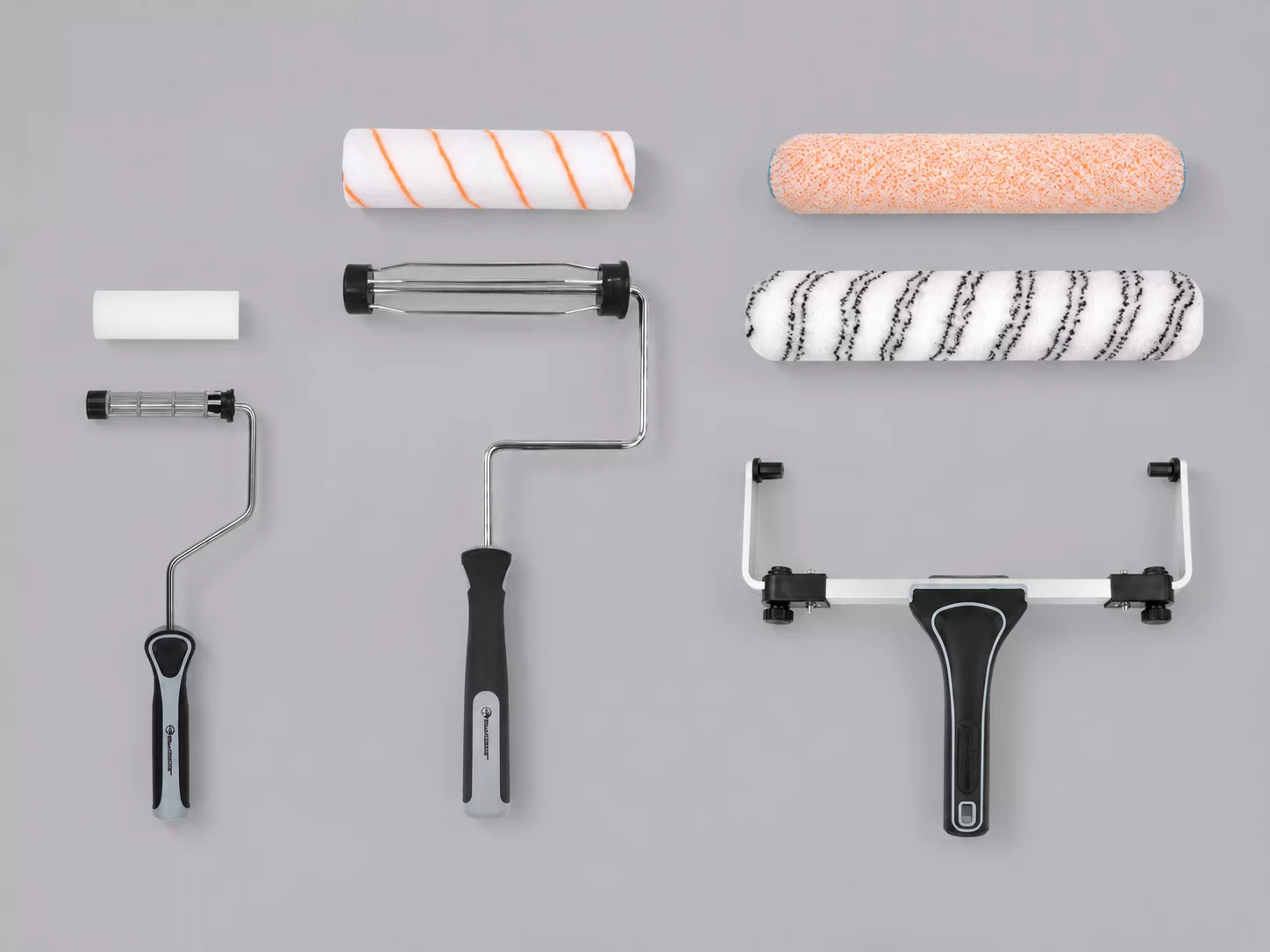
The global paint rollers market reached USD 3.4 billion in 2024 and is projected to grow to USD 5.7 billion by 2033 at a 5.8% CAGR, according to Straits Research (2024). Behind that growth are three specification decisions that determine which buyer segments a distributor can serve: frame size, nap thickness, and cover material. Understanding the types of paint rollers across these three dimensions is the starting point for building an assortment that generates reorder volume rather than one-time purchases. The US house painting and decorating contractor industry generates $28.2 billion in annual revenue across 223,000 businesses, according to IBISWorld (2025) — and the tools those businesses buy are driven almost entirely by job-type specifications, not brand preference.
This guide explains each variable in distributor terms: what the spec does, which surfaces and paint types it serves, and how each category performs in a trade assortment context. The types of paint rollers covered here — from 4-inch mini frames to 3/4-inch nap microfiber covers — represent the full professional range.
Key Takeaways
- The global paint rollers market is valued at USD 3.4B in 2024, growing at 5.8% CAGR through 2033 (Straits Research, 2024): category demand is structural, not cyclical.
- Synthetic fabric roller covers hold 47.8% of global market share (IMARC Group, 2024), making polyester the volume anchor of any professional assortment.
- Roller covers reorder 3–5x faster than frames. Assortment depth in covers, not frames, drives the long-term repurchase relationship with professional buyers.
- The 1/2-inch nap cover is the highest-volume SKU in most assortments, spanning light-textured walls, orange peel finishes, and the waterborne formulations that now account for 44.4% of US coatings market revenue (Grand View Research, 2024).
Paint Roller Frame Types: Size and Construction Determine Job Fit
Frame selection is a structural decision, not a preference. The North American paint rollers market reached USD 1.09 billion in 2024 (Market Data Forecast, 2024), split across residential projects, commercial interiors, and industrial repaints, each with a distinct frame width requirement. A distributor who stocks only one frame size will serve one job type and lose the repeat order on the others.
Three frame categories cover the full range of professional applications. Each targets a different job type and a different buyer priority, which is why most trade-channel assortments carry all three rather than consolidating to a single size.
4-Inch Mini Frame: The Cut-In Companion
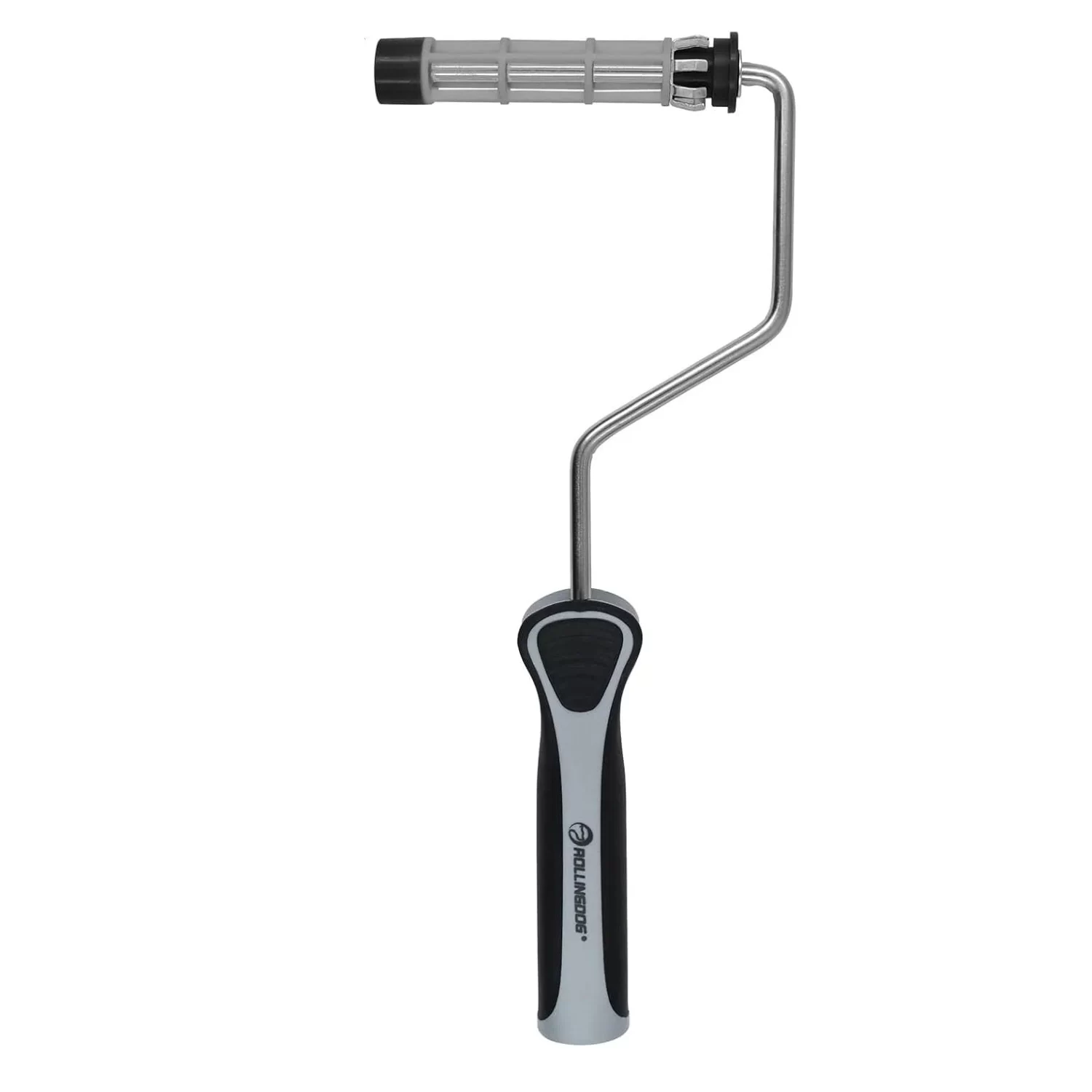
The 4-inch mini frame is built for narrow surfaces where a standard 9-inch frame cannot maneuver: window frames, cabinet door faces, stair balusters, and trim work alongside brushwork. It functions as the cut-in companion SKU in any professional kit: rarely the primary production tool, but consistently required alongside standard frames on full interior repaints.
For distributors, the 4-inch frame drives attachment sales. A contractor buying 9-inch covers for a full repaint job will also need a mini frame for the detail work. Positioning the two as a set increases average order value without requiring additional sales effort.
9-Inch 5-Wire Cage Frame: The Production Standard
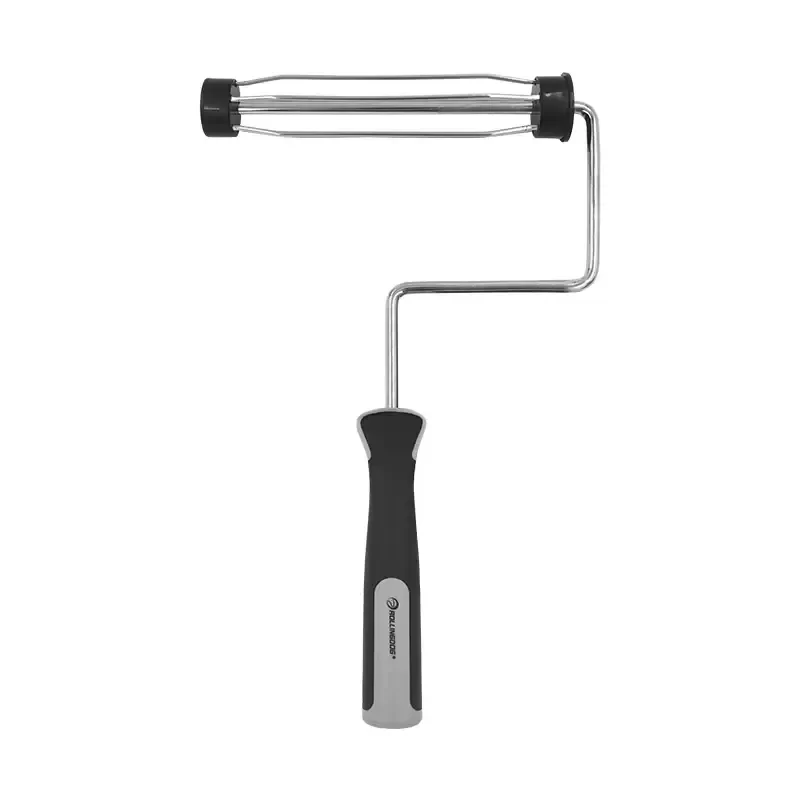
The 9-inch frame is the production standard in professional painting. It fits every standard roller cover on the market and pairs with extension poles for ceiling work, giving painters full-wall coverage in a single tool. The 5-wire cage design distributes load across five contact points rather than three, which reduces cover slippage during heavy-load production passes and extends the lifespan of both frame and cover.
The durability argument matters in a B2B context. Contractors running high-volume production jobs replace covers frequently but replace frames only when they fail. A 5-wire cage frame that outlasts cheaper 3-wire alternatives reduces a contractor’s cost per square foot. That is a concrete, trackable value proposition that experienced buyers understand and repeat-purchase on.
Adjustable Frame: Commercial and Industrial Scale
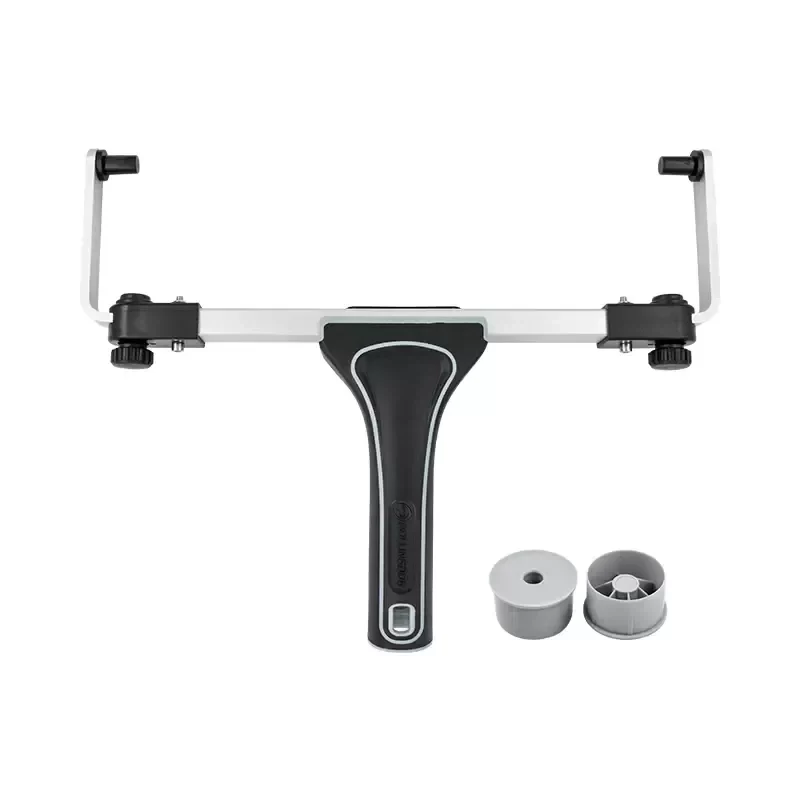
Adjustable frames fit either a 9–12 inch cover range or a 12–18 inch cover range, depending on the configuration. They are the preferred tool for commercial contractors and industrial repaints where speed of coverage is the primary cost driver. A painter covering a warehouse floor, a gymnasium ceiling, or an open commercial wall moves measurably faster with an 18-inch adjustable frame than with a fixed 9-inch standard.
The commercial segment is the fastest-growing buyer category in the North American market at 8.2% CAGR (Market Data Forecast, 2024). Commercial contractors tend to purchase adjustable frames and bulk cover packs together rather than individual cover units. Distributors targeting this segment should plan cover assortment depth in the wider nap widths that pair with these frames.
For a full specification breakdown by frame type, see the paint roller frame guide.
| Frame Size | Primary Application | Why Distributors Stock It |
|---|---|---|
| 4-inch mini | Trim, window frames, cabinet doors, narrow surfaces | Attachment SKU. Pairs with 9-inch frame on full interior repaints; increases average order value |
| 9-inch 5-wire cage | Standard interior walls, ceilings, residential production | Volume anchor. Universal fit, highest reorder frequency in residential accounts |
| Adjustable (9–12 inch) | Larger interior walls, multi-surface commercial work | Flexibility SKU. Serves contractors who switch between wall and ceiling configurations |
| Adjustable (12–18 inch) | Ceilings, gymnasium floors, warehouse walls, large commercial/industrial surfaces | Commercial segment driver. Pairs with bulk cover packs; higher ASP per transaction |
Roller Cover Nap Thickness: The Spec That Determines Surface Compatibility
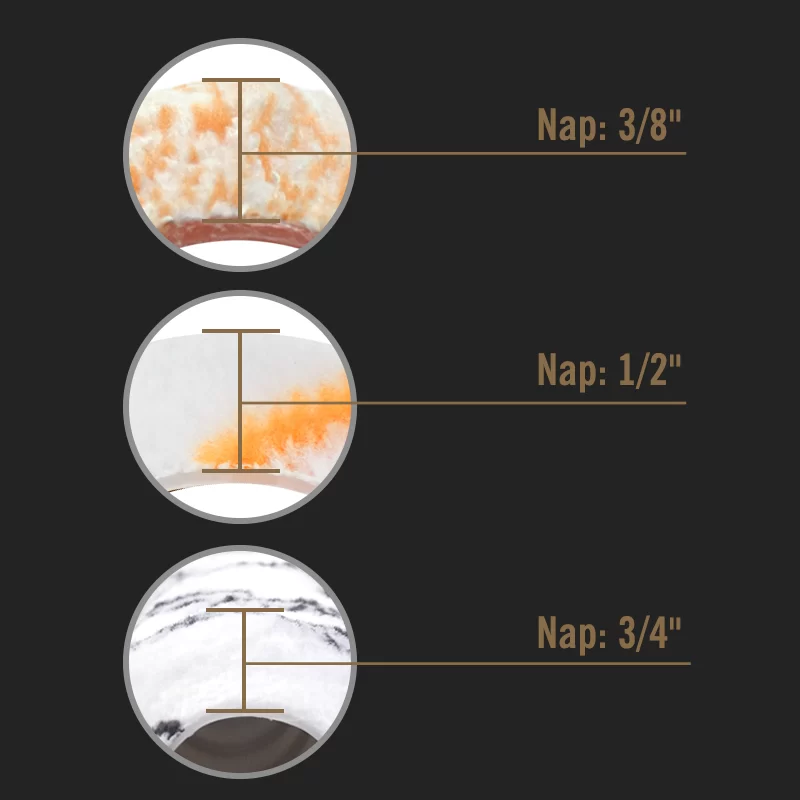
Nap thickness is the single specification that most directly controls finish quality. Waterborne coatings now account for 44.4% of US paints and coatings market revenue, according to Grand View Research (2024). As that share grows, the 3/8-inch and 1/2-inch synthetic covers that pair with water-based formulations have grown accordingly, making nap selection a market-driven decision, not just a technical one.
Four nap heights cover the full professional range. Each pairs with specific surface textures and finish types. Stocking all four allows a distributor to serve every segment from cabinet-quality gloss finishes through heavy exterior texture work.
3/16-Inch Nap: Highest-Gloss Smooth Surfaces
The 3/16-inch nap is the thinnest available and produces the flattest, most mirror-like finish on smooth substrates. It’s the correct specification for pre-painted smooth ceilings, factory-primed cabinet doors, and interior trim receiving semi-gloss or gloss finishes. Any surface irregularity will show through at this nap height, so the substrate must be sanded smooth before application.
In most assortments, this is a lower-velocity SKU. The unit count is smaller because the application window is narrower. Its margin per unit tends to be higher, however, since buyers purchasing it are working on finish-quality projects where tool quality is a priority over price.
3/8-Inch Nap: Standard Smooth Drywall
The 3/8-inch nap is the standard specification for smooth drywall in residential and light commercial interiors. It holds enough paint for consistent coverage without leaving excess texture in the film, making it the correct choice for most interior wall repaints with flat, eggshell, or satin finishes. Most professional painters carry this nap height as their primary interior wall cover.
This is a high-velocity SKU in residential trade accounts. As waterborne formulations continue to gain market share, the 3/8-inch synthetic cover is the primary beneficiary. Its fiber structure is optimized for the viscosity and open time of latex and acrylic paints.
1/2-Inch Nap: The Highest-Volume SKU
The 1/2-inch nap is the highest-volume specification in most professional assortments. It spans light-textured walls, orange peel finishes, and interior surfaces with minor imperfections that a 3/8-inch cover would miss. The thicker pile holds more paint per pass, which reduces the number of reloads on textured surfaces and increases painter productivity on mid-complexity jobs.
For distributors, this is the cover to carry in the greatest depth. Residential contractors default to the 1/2-inch nap on all but the smoothest surfaces, and the residential segment accounts for 60.1% of North American paint rollers demand (Market Data Forecast, 2024). High unit volume also means a faster reorder cycle, which strengthens the buyer-distributor relationship over time.
3/4-Inch Nap: Medium to Heavy Texture and Exterior
The 3/4-inch nap is built for medium to heavy texture surfaces: brick, concrete block, stucco exterior, and popcorn ceiling repair. The longer pile reaches into surface voids and deposits paint without requiring multiple passes, which is the key performance requirement on rough substrates. Using a thinner nap on these surfaces results in skipping, dry edges, and finish defects that require rework.
This nap height serves exterior painting contractors and commercial accounts with masonry or concrete surfaces. It’s a lower-frequency SKU in most residential assortments but a high-priority stock item for distributors serving exterior trade accounts or commercial contractors.
For surface-by-surface nap pairing charts, see the paint roller covers nap guide.
| Nap Thickness | Surface Type | Finish Compatibility | Volume in Typical Assortment |
|---|---|---|---|
| 3/16 inch | Pre-painted smooth ceilings, cabinet doors, primed trim | Gloss, semi-gloss only | Low (specialty finish work) |
| 3/8 inch | Smooth drywall, light commercial interiors | Flat, eggshell, satin, semi-gloss | High (primary residential interior SKU) |
| 1/2 inch | Light-textured walls, orange peel, minor surface imperfections | Flat, eggshell, satin | Highest (broadest application range) |
| 3/4 inch | Brick, concrete block, stucco, medium/heavy texture | Flat, exterior formulations | Medium (exterior and commercial accounts) |
Cover Material: How Fiber Type Affects Finish Quality and Reorder Rate
Cover material determines finish quality, paint compatibility, and how quickly a buyer comes back for more. Synthetic fabric covers hold 47.8% of global market share, according to IMARC Group (2024), making polyester the volume category. Microfiber and foam each occupy distinct segments that serve different buyer priorities. A distributor who stocks only one material leaves those segments to a competitor.
Microfiber: Highest Performance, Longest Repurchase Cycle
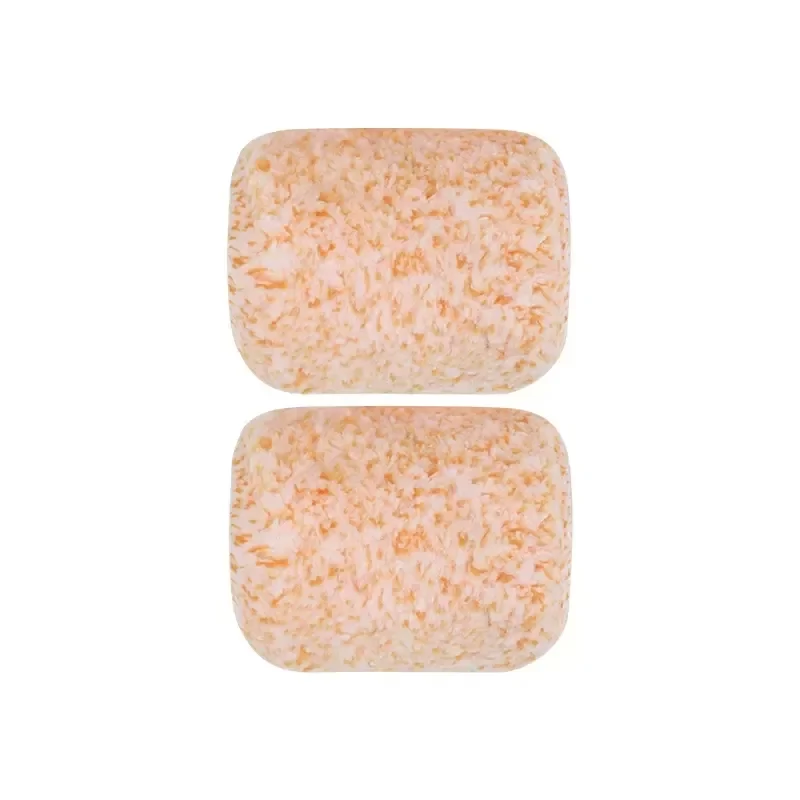
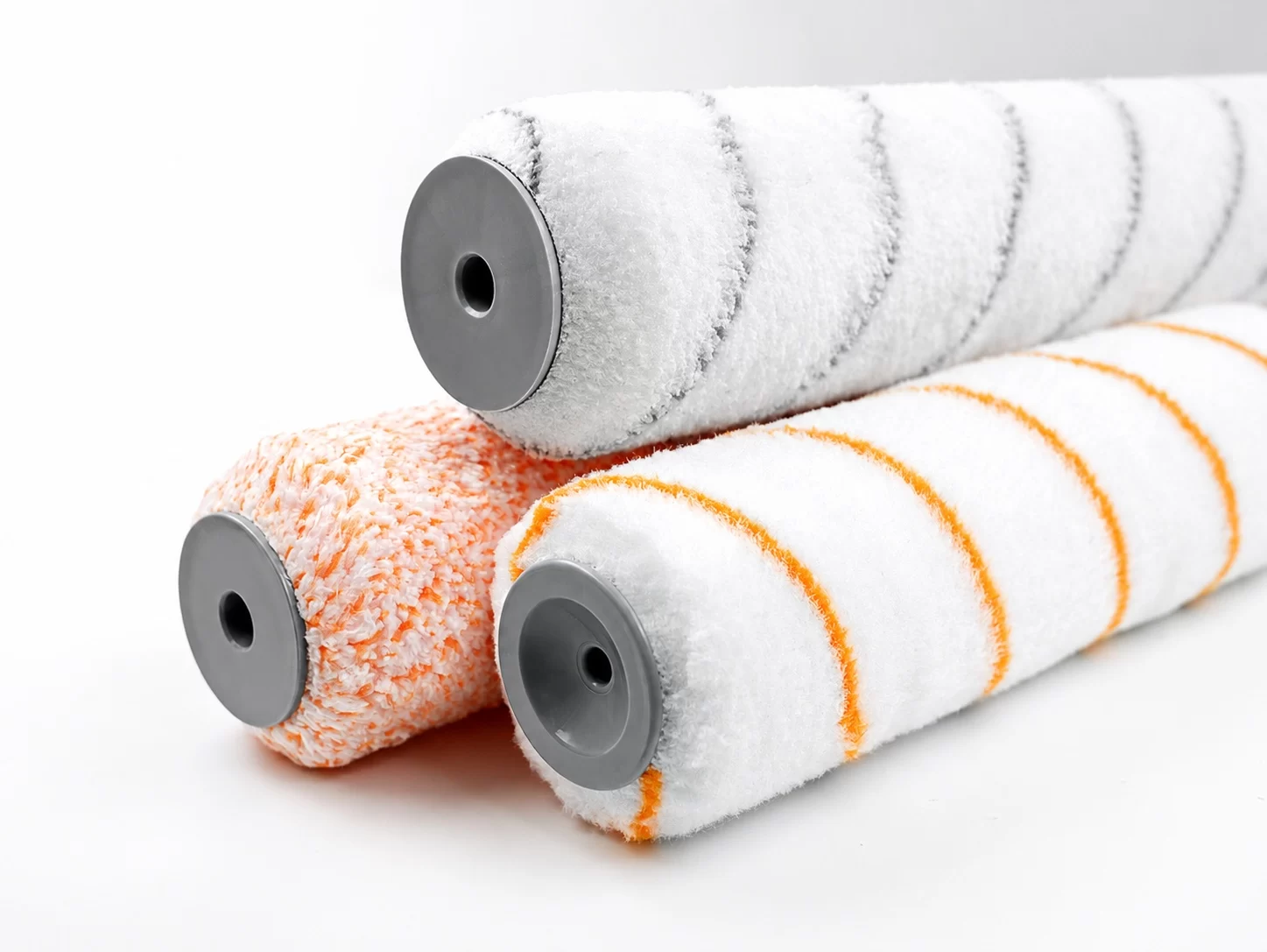
Microfiber roller covers feature a dense pile structure that holds more paint per load, releases it more evenly across the surface, and produces a lint-free finish on smooth substrates. They pair best with waterborne and latex formulations and are the preferred specification for finish-quality interior work: cabinetry, trim, and high-gloss accent walls where lint contamination in the wet film is unacceptable.
The lifespan of a microfiber cover under professional use is longer than polyester or foam, which means the repurchase cycle is slower. The margin per unit is higher, however. For distributors, microfiber covers are a margin-per-transaction play rather than a velocity play. They belong in the assortment to serve high-end residential and specialty finish accounts, not as the primary volume SKU.
[PERSONAL EXPERIENCE] In professional trade accounts, microfiber covers are often requested by name by experienced painters who have tracked their cost per square foot over multiple jobs and recognized the lower cost-per-use that a longer-lived cover provides. That buying behavior makes the specification argument straightforward for distributors.
Polyester: The Volume Category
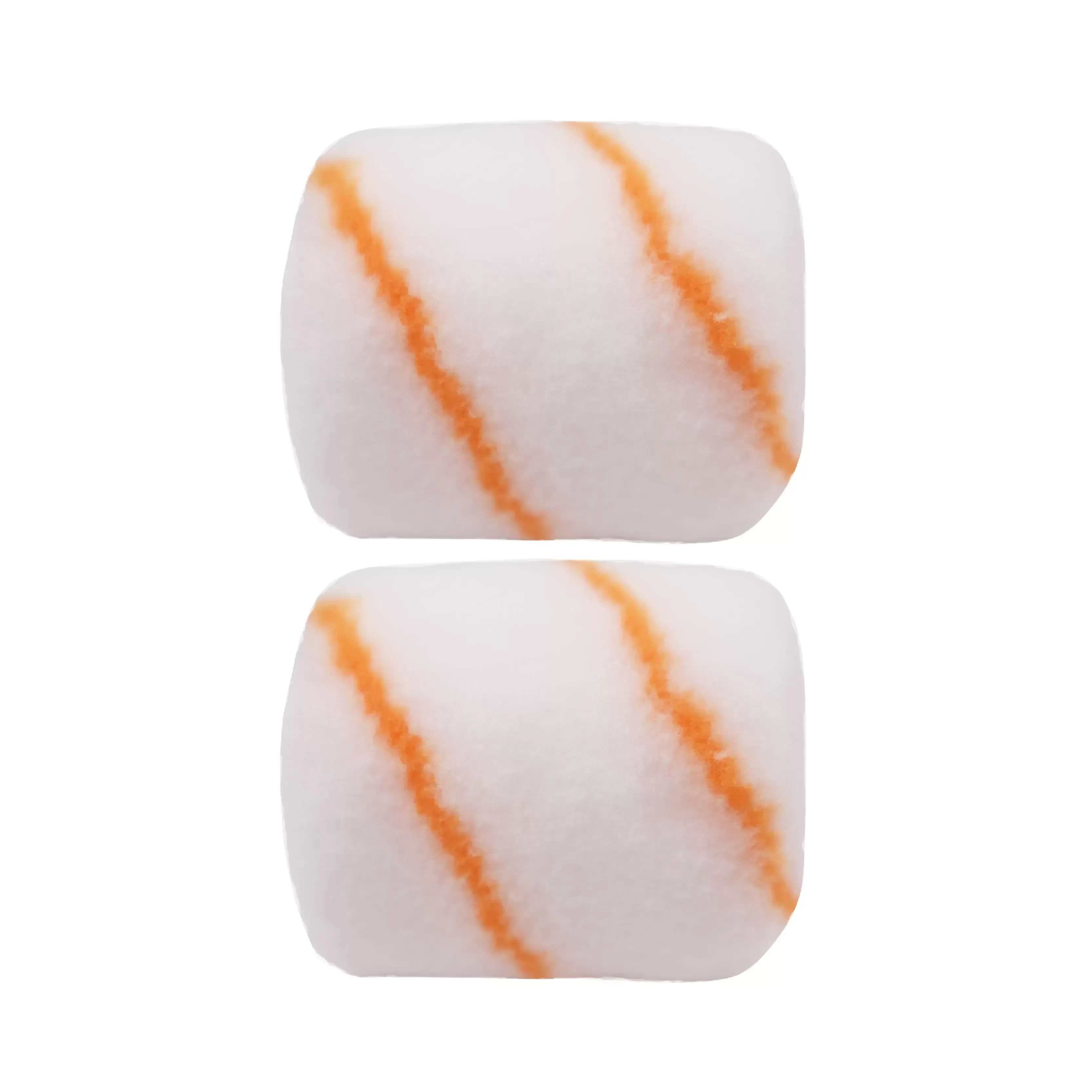
Polyester covers are the market standard for professional production painting. The 47.8% global synthetic market share (IMARC Group, 2024) reflects polyester’s versatility. It performs across both solvent-based and water-based paints, holds shape under extended production use, and sits at a mid-price point that professional contractors accept as standard operating expense rather than a premium purchase.
The reorder cycle for polyester is faster than microfiber, which makes it the primary driver of the distributor-contractor repurchase relationship. A contractor running two or three full interior jobs per week will go through polyester covers at a rate that creates consistent, predictable order volume. Distributors who stock adequate depth in polyester (across the 3/8-inch, 1/2-inch, and 3/4-inch nap heights) capture that reorder velocity reliably.
Foam: Single-Use, High Unit Velocity
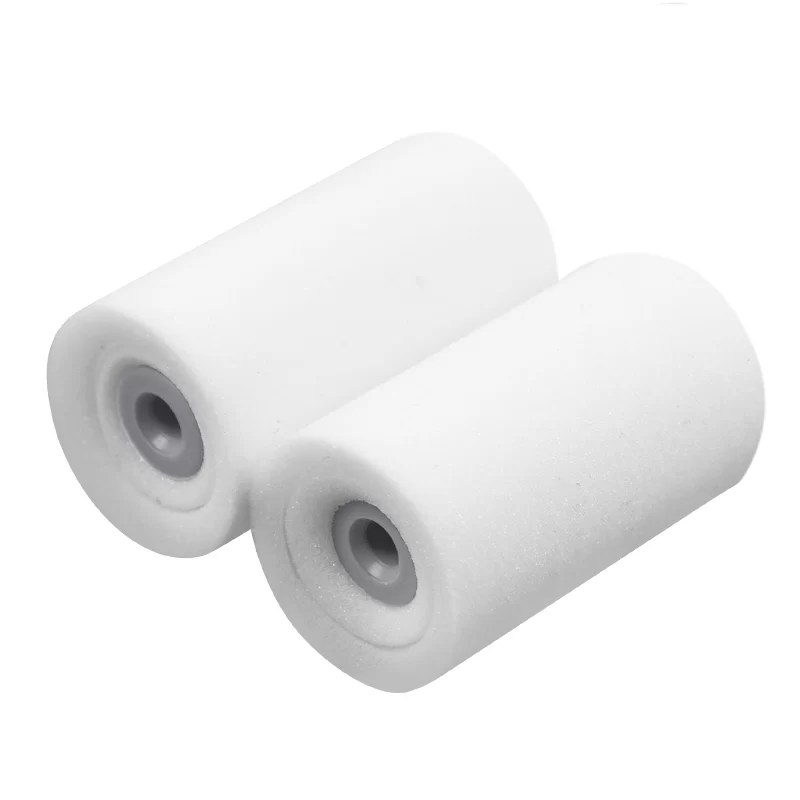
Foam roller covers operate in a different part of the assortment. They are used for gloss finishes on smooth surfaces, touch-up work, trim detail, and door frames: applications where a fabric pile would leave texture in the film. Most professional painters treat foam covers as a single-use item, discarding them after a single job or a single coat rather than cleaning and reusing them.
The average selling price per unit is lower than fabric covers, but unit velocity in trade channels is high. Foam covers are a frequency item, not a margin item. Their value in an assortment is that they draw repeat traffic from contractors who buy them alongside their standard polyester covers, creating a bundling opportunity that increases basket size without requiring the buyer to change their purchasing behavior.
[UNIQUE INSIGHT] The fastest-growing cover segment is blended fabric, growing at 10.5% CAGR through 2033 (Market Data Forecast, 2024). That growth is driven by recycled polyester fiber adoption in institutional and EU commercial accounts, where low-VOC and sustainable material procurement policies are becoming standard purchase criteria. Distributors serving European or institutional buyers should track this segment closely as it moves from specialty to mainstream.
For professional cover maintenance procedures that extend cover lifespan, see how to clean a roller cover.
| Cover Material | Best For | Typical Lifespan (Professional Use) | Distributor Inventory Note |
|---|---|---|---|
| Microfiber | Smooth surfaces, high-gloss finishes, waterborne/latex | 10–15 uses with proper cleaning | Lower velocity, higher margin per unit. Serve finish-quality accounts |
| Polyester | All paint types, general production painting | 4–8 uses depending on surface abrasion | Volume anchor. Stock in depth across all nap heights; drives reorder frequency |
| Foam | Gloss finishes, touch-up, trim, door frames | 1–3 uses (typically single-use) | High unit velocity, low ASP. Frequency item; bundle with polyester covers for basket size |
Building a Professional Paint Roller Assortment: What the Data Suggests
A distributor entering the professional paint tools category does not need every possible SKU combination to serve the market effectively. A core assortment of 8–12 frame-and-cover combinations covers 80% or more of job types across residential, light commercial, and exterior accounts. The principle that guides assortment depth is straightforward: roller covers reorder 3–5 times faster than frames, so cover depth (not frame variety) is the variable that determines long-term repurchase relationship strength.
The North American market data makes the segment prioritization clear. Residential accounts for 60.1% of demand (Market Data Forecast, 2024), which means the 9-inch 5-wire cage frame in polyester covers at 3/8-inch and 1/2-inch nap heights should be stocked in the greatest depth. That combination serves the majority of residential interior repaint jobs and generates the highest reorder frequency.
Commercial, however, is the fastest-growing segment at 8.2% CAGR (Market Data Forecast, 2024). Commercial buyers, painting contractors serving offices, retail fit-outs, institutional facilities, and light industrial spaces, prioritize speed of coverage and bulk pack availability over unit price. They purchase adjustable frames alongside bulk cover packs in 1/2-inch and 3/4-inch nap heights rather than individual covers. A distributor adding commercial account coverage should plan SKU depth accordingly.
[ORIGINAL DATA] The sustainability trend is already reshaping institutional purchasing. The low-VOC paint market reached USD 9.34 billion in 2025 and is projected to grow to USD 12.26 billion by 2030 at a 5.60% CAGR (Mordor Intelligence, 2025). Covers that pair with waterborne and low-VOC formulations (microfiber and fine-denier polyester in 3/8-inch and 1/2-inch nap heights) are positioned to grow with that segment, particularly in EU and institutional commercial accounts where procurement criteria increasingly include material sustainability specifications.
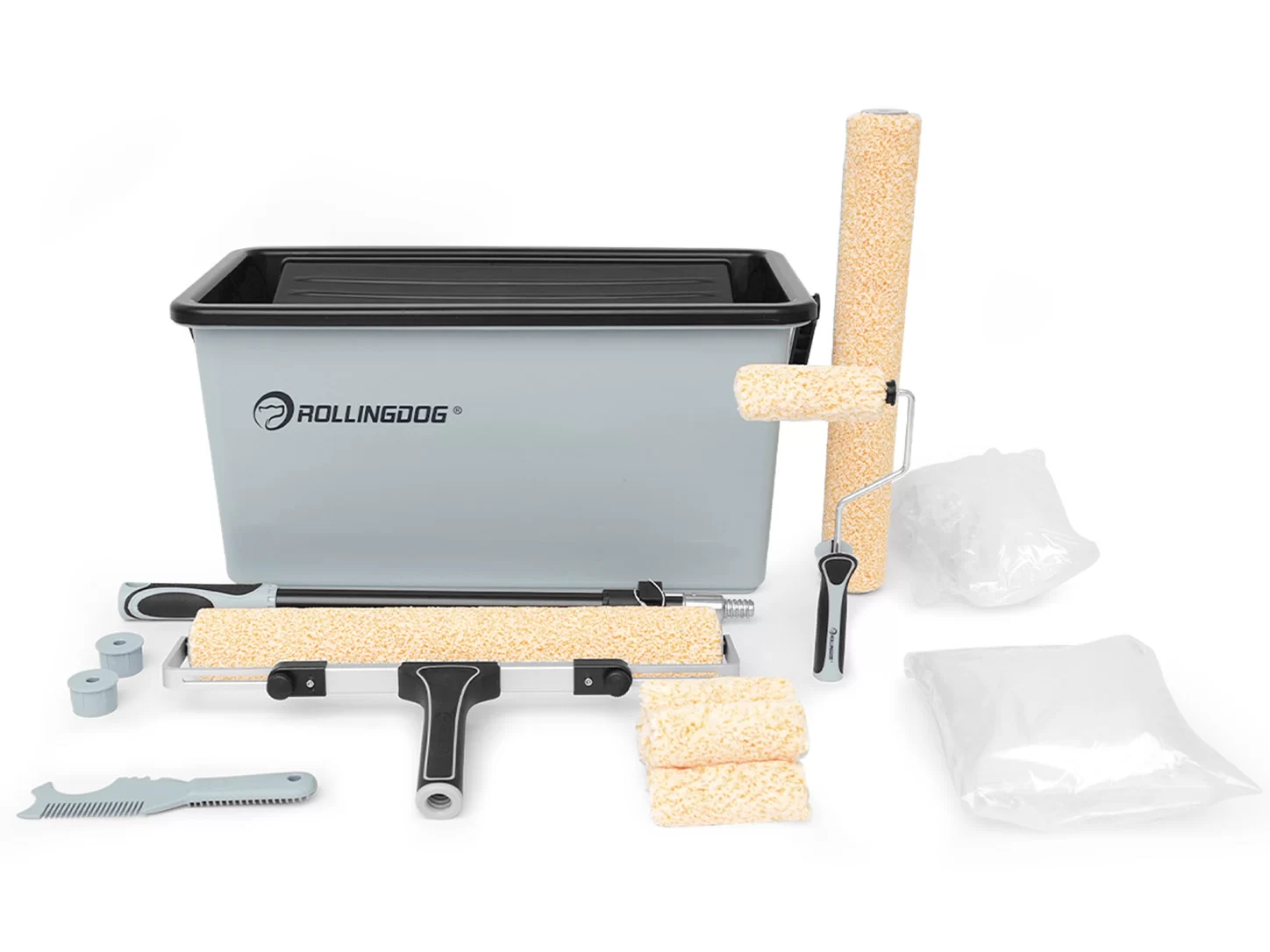
ROLLINGDOG manufactures 4-inch mini, 9-inch 5-wire cage, and adjustable-size frames (9–12 inch and 12–18 inch) alongside microfiber, polyester, and foam roller covers in 3/16-inch, 3/8-inch, 1/2-inch, and 3/4-inch nap heights. Full specifications are available at the ROLLINGDOG roller cover and frame product range.
For guidance on matching specific frame and cover combinations to job type, see choosing the right paint roller.
Nap Thickness Selection Matrix: Surface-to-Spec Reference
The matrix below maps each of the four professional nap heights to surface type and finish compatibility. A “Primary” designation means the nap height is the standard specification for that surface. “Compatible” means it will produce acceptable results under the right conditions. “Not recommended” means finish failure or coverage gaps are likely, regardless of cover material or technique.
Frequently Asked Questions
What size paint roller is best for walls?
A 9-inch roller is the standard production size for walls in both residential and light commercial settings. It fits all standard covers, accepts extension poles, and covers open wall areas efficiently. For large commercial or industrial walls, an adjustable frame in the 12–18 inch range reduces painting time significantly on open surface areas.
What nap thickness should I use for smooth walls?
Use a 3/8-inch nap for standard smooth drywall. It covers evenly without leaving excess texture in the paint film. For cabinet doors or trim receiving a gloss finish, step down to a 3/16-inch nap. The thinner pile minimizes stipple texture in high-gloss applications where surface perfection is the goal.
Is microfiber better than polyester for roller covers?
Microfiber outperforms polyester on smooth surfaces and gloss finishes. It holds more paint, releases it more evenly, and produces a lint-free film. Polyester is more versatile, compatible with both water-based and solvent-based paints, and costs less per unit. For most production interior painting, polyester is the practical choice. Microfiber is the correct specification for finish-quality work where lint contamination matters.
What is an adjustable paint roller frame used for?
Adjustable roller frames accommodate wider covers (typically 9–12 inch or 12–18 inch) that increase coverage speed on large surface areas. Commercial painters use them on ceilings, gymnasium floors, warehouse walls, and open commercial interiors where a standard 9-inch frame would require significantly more passes. They pair with bulk cover packs and extension poles for maximum productivity.
How often do roller covers need to be replaced?
Replacement frequency depends on material and use intensity. Foam covers are typically single-use. Polyester covers last 4–8 uses under professional conditions with proper cleaning between jobs. Microfiber covers can reach 10–15 uses when cleaned correctly after each application. Surface abrasion (rough masonry versus smooth drywall) is the primary variable that shortens cover lifespan regardless of material.
Sources
- Straits Research (2024). Paint Rollers Market Size, Share & Trends Analysis Report. Retrieved from straitsresearch.com
- US Bureau of Labor Statistics (2024). Occupational Outlook Handbook: Painters, Construction and Maintenance — 342,200 jobs, 28,100 annual openings projected. Retrieved from bls.gov
- IBISWorld (2025). House Painting & Decorating Contractors in the US — $28.2B revenue, 223,000 businesses. Retrieved from ibisworld.com
- IMARC Group (2024). Paint Roller Market: Global Industry Trends, Share, Size, Growth, Opportunity and Forecast 2024–2032. Retrieved from imarcgroup.com
- Market Data Forecast (2024). North America Paint Rollers Market Report. Retrieved from marketdataforecast.com
- Grand View Research (2024). US Paints and Coatings Market Size & Share Report. Retrieved from grandviewresearch.com
- Mordor Intelligence (2025). Low VOC Paints and Coatings Market: Growth, Trends, and Forecast (2025-2030). Retrieved from mordorintelligence.com

Written by the ROLLINGDOG product and application team — professional painting tools engineers and field trainers with combined experience across residential, commercial, and industrial coating projects.